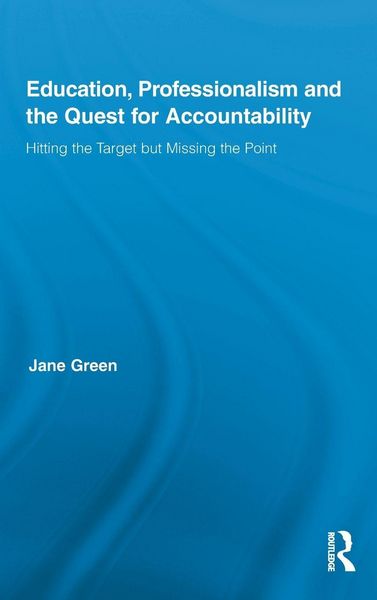
Education, Professionalism, and the Quest for Accountability Hitting the Target but Missing the Point
281,99 €
inkl. gesetzl. MwSt.,
Beschreibung
Produktdetails
ISBN
978-0-415-87925-5
Erscheinungsdatum
07.12.2010
Einband
Gebundene Ausgabe
Verlag
Taylor and FrancisSeitenzahl
280
Maße (L/B/H)
23,5/15,7/2 cm
Gewicht
680 g
Sprache
Englisch
Today, workers based in institutions designed to serve the public - teachers, nurses, social workers, community officers, librarians, civil servants, etc - are expected to reorganize their thoughts and practice in accordance with a 'performance' management model of accountability which encourages a rigid bureaucracy, one which translates regulation and monitoring procedures into inflexible and obligatory compliance. This book shows how and why this performance model may be expected, paradoxically, to make practices less accountable - and, in the case of education, less educative.
Kundinnen und Kunden meinen
Verfassen Sie die erste Bewertung zu diesem Artikel
Helfen Sie anderen Kund*innen durch Ihre Meinung
Kurze Frage zu unserer Seite
Vielen Dank für Ihr Feedback
Wir nutzen Ihr Feedback, um unsere Produktseiten zu verbessern. Bitte haben Sie Verständnis, dass wir Ihnen keine Rückmeldung geben können. Falls Sie Kontakt mit uns aufnehmen möchten, können Sie sich aber gerne an unseren Kund*innenservice wenden.
zum Kundenservice