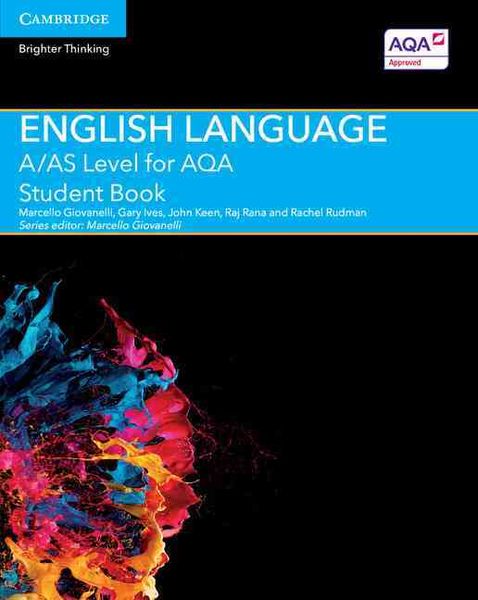
A/AS Level English Language for AQA Student Book
43,99 €
inkl. gesetzl. MwSt.,
Beschreibung
Produktdetails
ISBN
978-1-107-46562-6
Erscheinungsdatum
04.06.2015
Klassenstufen
10. Klasse + weitere
Einband
Taschenbuch
Herausgeber
Marcello GiovanelliVerlag
Cambridge University PressSeitenzahl
320
Maße (L/B/H)
27,4/21,5/1,3 cm
Gewicht
728 g
Sprache
Englisch
A new series of bespoke, full-coverage resources developed for the 2015 A Level English qualifications. Endorsed for the AQA A/AS Level English Language specifications for first teaching from 2015, this print Student Book is suitable for all abilities, providing stretch opportunities for the more able and additional scaffolding for those who need it. Helping bridge the gap between GCSE and A Level, the unique three-part structure provides essential knowledge and allows students to develop their skills through a deeper study of key topics, whilst encouraging independent learning. An enhanced digital version and free Teacher's Resource are also available.
Dazu passende Produkte
-
Brunnen Schnellhefter gelb Folie von
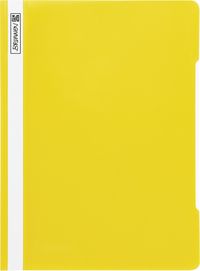 Brunnen Schnellhefter gelb Folie
Bürobedarf
3,99 €
-
STABILO Filzstift Pen 68 von
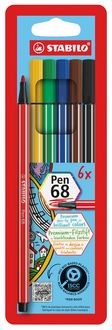 STABILO Filzstift Pen 68
Bürobedarf
8,99 €
-
KPop DH - Rucksack - Premium - Huntr/X von
 KPop DH - Rucksack - Premium - Huntr/X
34,99 €
-
Legami Löschbarer Gelstift - Hippo von
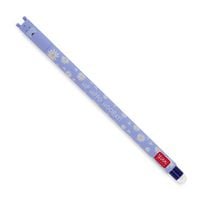 Legami Löschbarer Gelstift - Hippo
Bürobedarf
2,99 €
-
Kugelschreiber Mandarin Orange von
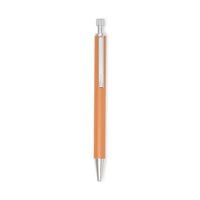 Kugelschreiber Mandarin Orange
Bürobedarf
12,99 €
-
Isolierflasche, 500ml "Brick" von
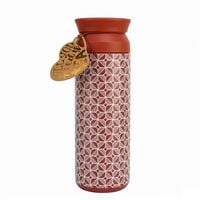 Isolierflasche, 500ml "Brick"
24,99 €
-
Collegeblock A6 120 Blatt kariert denim von
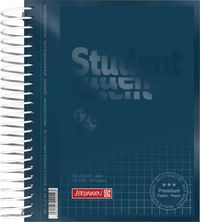 Collegeblock A6 120 Blatt kariert denim
Bürobedarf
3,99 €
-
Taschenrechner, 7 x 11,5 cm von
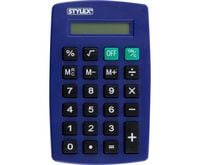 Taschenrechner, 7 x 11,5 cm
Bürobedarf
4,49 €
-
Lineal "gold" von
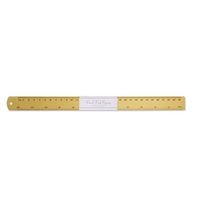 Lineal "gold"
Bürobedarf
3,99 €
-
Textmarker Grün von
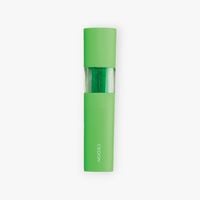 Textmarker Grün
Bürobedarf
3,99 €
Noch keine Bewertungen vorhanden
Verfassen Sie die erste Bewertung zu diesem Artikel
Helfen Sie anderen Kundinnen und Kunden durch Ihre Meinung.
Kurze Frage zu unserer Seite
Vielen Dank für Ihr Feedback
Wir nutzen Ihr Feedback, um unsere Produktseiten zu verbessern. Bitte haben Sie Verständnis, dass wir Ihnen keine Rückmeldung geben können. Falls Sie Kontakt mit uns aufnehmen möchten, können Sie sich aber gerne an unseren Kund*innenservice wenden.
zum Kundenservice