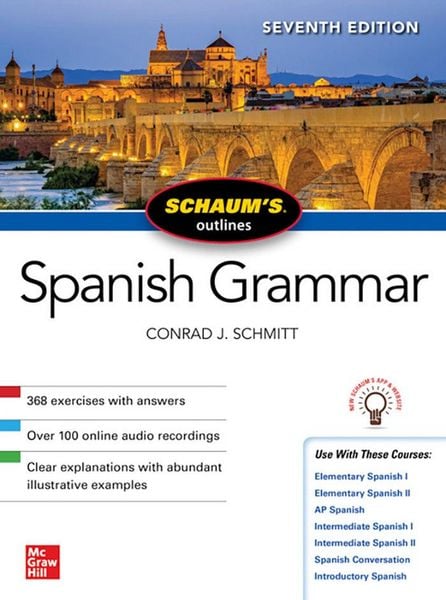
Schaum's Outline of Spanish Grammar, Seventh Edition
21,99 €
inkl. gesetzl. MwSt.,
Beschreibung
Produktdetails
Einband
Taschenbuch
Erscheinungsdatum
16.10.2019
Verlag
Mcgraw Hill Higher EducationSeitenzahl
224
Maße (L/B/H)
27,1/20,4/1,2 cm
Gewicht
358 g
Auflage
7th edition
Sprache
Englisch, Spanisch
ISBN
978-1-260-45422-2
Publisher's Note: Products purchased from Third Party sellers are not guaranteed by the publisher for quality, authenticity, or access to any online entitlements included with the product.
Tough Test Questions? Missed Lectures? Not Enough Time? Textbook too Pricey?
Fortunately, there's Schaum's. More than 40 million students have trusted Schaum's to help them succeed in the classroom and on exams. Schaum's is the key to faster learning and higher grades in every subject. Each Outline presents all the essential course information in an easy-to-follow, topic-by-topic format. You also get hundreds of examples, solved problems, and practice exercises to test your skills.
Schaum's Outline of Spanish Grammar, Seventh Edition is packed with clear, logical explanations that will help you build linguistic competency in Spanish. This updated edition provides expanded coverage of special verb forms and verb usages unique to Latin America to match the latest high school and college courses.
Schaum's Outline of Spanish Grammar, Seventh Edition features: . 368 practice exercises with answers . An accessible review of Spanish grammar . Verbal charts and quick drills to hone your skills . 10-page appendix reflecting the latest developments in Spanish courses . Support for all the major textbooks for Spanish courses . Content that is appropriate for Elementary Spanish I, Elementary Spanish II, Intermediate Spanish I, and Intermediate Spanish II courses
Schaum's reinforces the main concepts required in your course and offers hundreds of practice exercises to help you succeed. Use Schaum's to shorten your study time-and get your best test scores!
Schaum's Outlines - Problem solved.
Dazu passende Produkte
-
STABILO Druckbleistift EASYergo 3.15 von
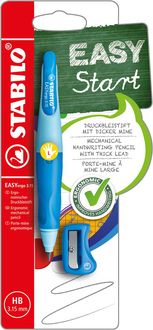 STABILO Druckbleistift EASYergo 3.15
Bürobedarf
8,79 €
-
Brunnen Schnellhefter grün Folie von
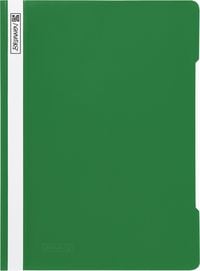 Brunnen Schnellhefter grün Folie
Bürobedarf
3,99 €
-
Collegeblock A6 120 Blatt kariert denim von
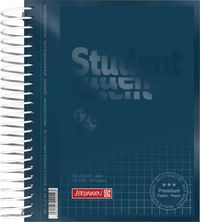 Collegeblock A6 120 Blatt kariert denim
Bürobedarf
3,99 €
-
Textmarker Grün von
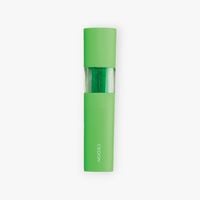 Textmarker Grün
Bürobedarf
3,99 €
-
Kugelschreiber Magnolia Pink von
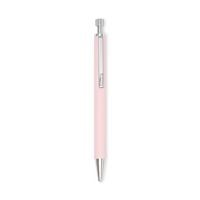 Kugelschreiber Magnolia Pink
Bürobedarf
12,99 €
-
Taschenrechner, 7 x 11,5 cm von
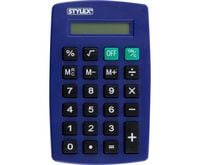 Taschenrechner, 7 x 11,5 cm
Bürobedarf
4,49 €
-
KPop DH - Rucksack - Premium - Huntr/X von
 KPop DH - Rucksack - Premium - Huntr/X
34,99 €
-
Isolierflasche, 500ml "Sage" von
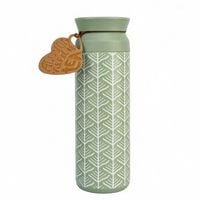 Isolierflasche, 500ml "Sage"
24,99 €
-
Haftnotizen, gelb, 75 x 75 mm, 100 Blatt von
 Haftnotizen, gelb, 75 x 75 mm, 100 Blatt
Bürobedarf
3,99 €
-
STABILO Pen 68 violett von
 STABILO Pen 68 violett
Bürobedarf
3,99 €
Noch keine Bewertungen vorhanden
Verfassen Sie die erste Bewertung zu diesem Artikel
Helfen Sie anderen Kundinnen und Kunden durch Ihre Meinung.
Kurze Frage zu unserer Seite
Vielen Dank für Ihr Feedback
Wir nutzen Ihr Feedback, um unsere Produktseiten zu verbessern. Bitte haben Sie Verständnis, dass wir Ihnen keine Rückmeldung geben können. Falls Sie Kontakt mit uns aufnehmen möchten, können Sie sich aber gerne an unseren Kund*innenservice wenden.
zum Kundenservice