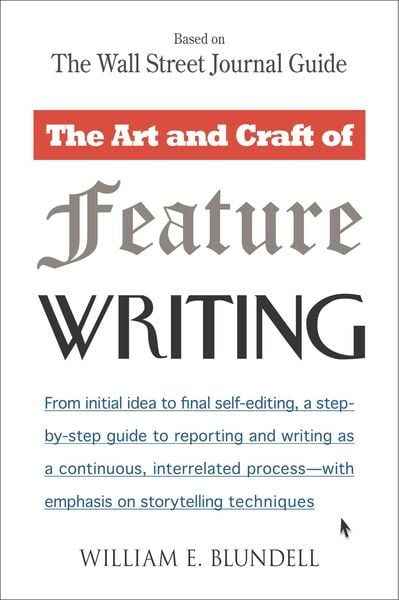
Introduction
The disorganized, debilitated reporter
Learning to function more efficiently
The major commandment: Make it interesting
Chapter 1: Raw Materials
How and where to get ideas
Picking the proper subject matter
The need for files
Finding and cultivating sources
Thinking about story ideas: Extrapolation, synthesis
Advancing story ideas: Localization, projection, viewpoint switching
What readers like and don't like: Dogs, people, facts, observers, numbers
Why the ideas with action in them are the best ideas
Chapter 2: Shaping Ideas
The importance of forethought
Range of the story: Keeping it narrow
Theme of the story: The importance of the main theme statement
Developing the theme of a general profile or a microcosm profile
Approach of the story: The limits of the profile and the roundup
Tone of the story: Why it is important
Chapter 3: Story Dimensions
Time: The importance of the past and the future, as well as the present
Scope: The quantity, locale, diversity and intensity of a development
Variety: Using various source levels and internal proofs
Movement: The built-in kind and the alternation of opposite elements
The reporter's role: Neither lawyer nor scholastic nor objectivist nor formula follower. But what then?
Chapter 4: Planning and Execution
A six-part guide for the reporter:
I. History: Does the main theme development have roots in the past?
II. Scope: How widespread, intense and various is the development?
III. Reasons: Why is it happening now?
IV. Impacts: Who or what is affected—and how?
V. Countermoves: Who is acting to counter or enhance the development or its impacts—and how?
VI. Futures: What could happen if the development proceeds unchecked?
A slightly altered six-part guide for preparing profiles
Another story element: Focus points and people. Descending to the lowest level of the action
A reporter's sources: Wise Men, Paper Men and Rabbis
Interviews and techniques in relation to storytelling
How long should the reporting take? When to begin writing?
Chapter 5: Organization
Follow the laws of Progressive Reader Involvement: Tease me, you devil; tell me what you're up to; prove it; help me remember it
A first reading of materials gathered for the story: Refining the main theme statement, looking for conclusions, looking for endings
Indexing materials to help proide order
Rules of organization in writing:
—Keep related material together
—Let what you have already written suggest what comes next
—Try to isolate material from one source in one place
—Digress often, but don't digress for long
Type of narrative lines: Block progression line; time line; theme line; and hybrids
The lead paragraphs: Why they are often elusive. What to do when they are
Chapter 6: Handling Key Story Elements
Types of leads: Hard news, anecdotal, summary
Standards for anecdotal leads: Simplicity, theme relevance, intrinsic interest, focus
Why the general, or summary, lead is often better, difficult though it may be
Numbers: How to handle them; when to avoid them
People and quotes: Limiting the number of "talking heads" to emphasize the important actors in the story
Reasons to quote people: To lend credibility, emotional response, trenchancy or variety
Using anonymous quotes judiciously
When paraphrasing is preferable
Three roles for the reporter in the story: Summarizer, referee and observer
Chapter 7: Wordcraft
Being specific in words and phrases
Being mean and tough with yourself and your turns of phrase
Choosing what to describe
How to describe well: Imagic exactness, the people principle, animation, poetic license
Promoting a conversational quality
The narrative flow and typical troubles with transitions, attributions and explanations
How "purposeful structures" in writing can promote speed, force, and rhythm
Chapter 8: Stretching Out
Some tips on handling lengthy stories:
The importance of maintaining orderly development
Alternating plot and character
Maintaining suspense and setting up material to come
Using typographical devices
Chapter 9: Notes on Self-Editing and Style
Editing yourself for content, for conclusiveness and flow, for pace and precision
The anguish of young writers, and how some overcome it
Appendix 1. Reading for Writers
Appendix 2. Full Texts of Sample Stories