Beschreibung
Produktdetails
Einband
Gebundene Ausgabe
Erscheinungsdatum
28.02.1994
Herausgeber
Neville A. StantonVerlag
Taylor and FrancisSeitenzahl
250
Maße (L/B/H)
23,4/15,6/1,6 cm
Gewicht
529 g
Sprache
Englisch
ISBN
978-0-7484-0109-3
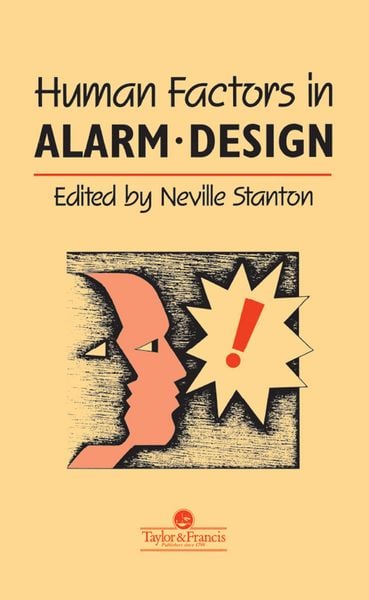
Focusing on the application of human factors and ergonomics in the design of alarm systems, this book brings together all the disparate areas in a single volume.; The aim of the book is to present current human factor issues regarding alarm design in a variety of setting, such as industrial alarm systems in process industries, aviation, automobiles and intensive care. It argues that the severe short comings of alarm systems can be overcome through the use of human factors evaluation and design integration techniques. Contributors cover the areas of HCI, task analysis, training, personnel selection, and design and human behavior in an emergency, which of course, can be influenced positively and negatively by the design and deployment of alarm systems.
Ein neues Kapitel für Ihre Bücher
Ein neues Kapitel für Ihre Bücher
Schenken Sie Ihren alten Schätzen ein zweites Leben und erhalten dafür eine Thalia Geschenkkarte.
Noch keine Bewertungen vorhanden
Verfassen Sie die erste Bewertung zu diesem Artikel
Helfen Sie anderen Kundinnen und Kunden durch Ihre Meinung.
Kurze Frage zu unserer Seite
Vielen Dank für Ihr Feedback
Wir nutzen Ihr Feedback, um unsere Produktseiten zu verbessern. Bitte haben Sie Verständnis, dass wir Ihnen keine Rückmeldung geben können. Falls Sie Kontakt mit uns aufnehmen möchten, können Sie sich aber gerne an unseren Kund*innenservice wenden.
zum Kundenservice