KI-Beratung Beta

Gutscheinbedingungen

Gültig bis 21.10.2026 | Gültig für nicht preisgebundene fremdsprachige Bücher | Einzelne Artikel können ausgeschlossen sein | Online auf thalia.de und in der Thalia App einlösbar | Click & Collect nur mit Online-Zahlung (Paypal/Kreditkarte) vorab | Nicht kombinierbar mit anderen Gutscheinen oder Preisaktionen | Nur einmal pro Einkauf einlösbar | Gutschein wird auf max. 500€ Bestellwert angerechnet | Keine Barauszahlung | Nicht gültig für Versandkosten und Services

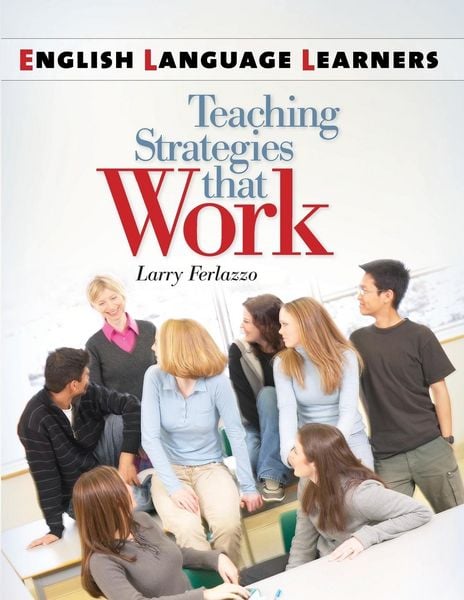
  • Produktbild: English Language Learners
  • Produktbild: English Language Learners

English Language Learners Teaching Strategies That Work

58,99 €

inkl. gesetzl. MwSt., Versandkostenfrei


Beschreibung

Produktdetails

ISBN

978-1-58683-524-8

Erscheinungsdatum

06.04.2010

Einband

Taschenbuch

Verlag

Bloomsbury Academic

Seitenzahl

158

Maße (L/B/H)

28/21,6/0,9 cm

Gewicht

416 g

Sprache

Englisch

Beschreibung

Produktdetails

ISBN

978-1-58683-524-8

Erscheinungsdatum

06.04.2010

Einband

Taschenbuch

Verlag

Bloomsbury Academic

Seitenzahl

158

Maße (L/B/H)

28/21,6/0,9 cm

Gewicht

416 g

Sprache

Englisch

Herstelleradresse

Libri GmbH
Europaallee 1
36244 Bad Hersfeld
DE

Email: gpsr@libri.de

Noch keine Bewertungen vorhanden

Verfassen Sie die erste Bewertung zu diesem Artikel

Helfen Sie anderen Kundinnen und Kunden durch Ihre Meinung.

Kundinnen und Kunden meinen

Bewertungen (0)

Weitere Artikel finden Sie in

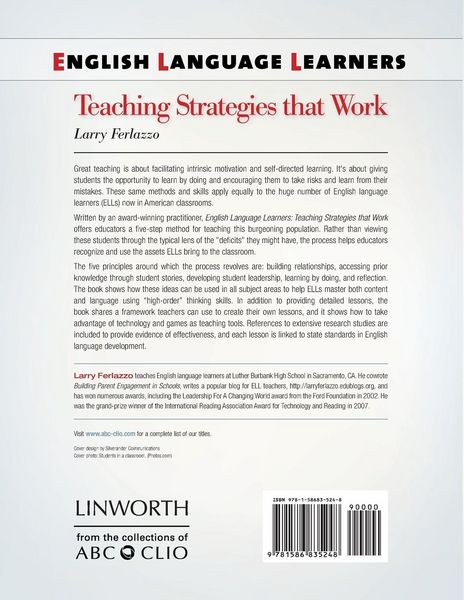
  • Produktbild: English Language Learners
  • Produktbild: English Language Learners
  • Figures
    About the Author
    Acknowledgments
    Introduction
    Building Strong Relationships with Students
    Accessing Prior Knowledge through Stories
    Identifying and Mentoring Students' Leadership Potential
    Learning by Doing
    Reflection
    CHAPTER 1: Building Strong Relationships with Students
    What Do You Mean by Building Relationships?
    What Does Research Say about Building Relationships in the Classroom?
    Relationships and Classroom Climate
    Using Schema
    Student Self-Interest
    What Are Examples of Building Relationships in the Classroom?
    Introductions Lesson Plan
    Additional Student Presentation Projects
    Writing Projects
    Games
    Connecting to Student Self-Interests
    Reading Projects
    How Can Technology Be Used to Develop and Deepen Face-to-Face Relationships?
    How Do You Assess Relationship Building?
    What Are the Challenges to Making Building Relationships a Priority in the Classroom?
    Developing a Clear Vision
    Making Time
    Talking to Administrators and Other Allies
    Research
    State Standards
    Mandated Textbook
    CHAPTER 2: Accessing Prior Knowledge through Stories
    What Do You Mean by Accessing Prior Knowledge through Stories?
    What Does Research Say about Accessing Prior Knowledge through Stories?
    What Are Examples of Accessing Prior Knowledge through Stories in the Classroom?
    Immigration Unit
    Venn Diagrams
    K-W-L Charts
    Two-Part Posters
    Family Trees
    Critical Pedagogy
    Critical Pedagogy Lesson Plan
    Taking Action
    How Can Technology Be Used to Access Prior Knowledge through Stories?
    How Do You Assess Accessing Prior Knowledge through Stories?
    What Are the Challenges to Accessing Prior Knowledge through Stories in the Classroom?
    Listening and Engaging
    Taking Care of Ourselves
    CHAPTER 3: Identifying and Mentoring Students' Leadership Potential
    What Do You Mean by Identifying and Mentoring Students' Leadership Potential?
    What Does Research Say about Leadership Development in the Classroom?
    Intrinsically Motivated
    A Sense of Self-Efficacy, Willingness to Take Risks, and Willingness to Learn from Mistakes
    Willingness to Teach Others
    What Are Classroom Examples of Leadership Development?
    Making the Qualities of a Good Learner and Leader Explicit
    Choices and Power
    Democracy in the Classroom
    I Feel Powerful When .
    "I Feel Powerful When ." Lesson Plan
    Learning Strategies
    Teaching Others
    Jigsaw Strategy
    Teaching Other Classes
    Comic Strips
    How Can Technology Be Used to Develop Student Leadership?
    How Can Student Leadership Development Be Assessed?
    What Are the Challenges to Making Student Leadership Development a Priority in the Classroom?
    Accepting Imperfection
    Planning
    Limited by Tradition
    CHAPTER 4: Learning by Doing
    What Do You Mean by Learning by Doing?
    What Does Research Say about Learning by Doing?
    Inductive Teaching
    Problem-Based Learning
    Free Voluntary Reading
    What Are Examples of Learning by Doing in the Classroom?
    Inductive Model
    Picture Word Inductive Model
    Picture Word Inductive Model Unit Plan
    Inductive Data Sets
    Implementing Problem-Based Learning
    What Neighborhood Do You Want to Live In?
    U.S. Citizenship
    Implementing Free Voluntary Reading
    How Can Technology Be Used to Reinforce Learning by Doing?
    Webquests and Internet Scavenger Hunts
    Authentic Audience
    Make a Travel Guide
    Research Companies
    Create a How-to Video
    Develop a Top 10 List
    Design and Create an Online Book
    How Do You Assess Learning by Doing?
    Teaching Inductively
    Problem-Based Learning
    Free Voluntary Reading
    What Are the Challenges to Making Learning by Doing a Priority in the Classroom?
    The Textbook
    Student Accountability
    CHAPTER 5: Reflection
    What Do You Mean by Reflection?
    What Does Research Say about Using Reflection in the Classroom?
    Education Research
    Brain-Based Learning
    Student Self-Assessment
    What Are Examples of Using Reflection in the Classroom?
    A Learning Log or Reflection Journal
    Metaphors and Similes for Reflection
    Metaphor or Simile Student Reflection Lesson Plan
    Other Special Reflection Projects
    Reading and Watching about Reflection
    How Can Technology Be Used to Reinforce Reflection?
    Online Journals
    Word Clouds
    Multimedia and Other Artistic Projects
    How Do You Assess Reflection?
    What Are the Challenges to Using Reflection in the Classroom?
    Afterword
    Appendix 1: Technology Resources
    Appendix 2: Classroom Games
    Works Cited
    Index