• Produktbild: Nutrition and Food Science
  • Produktbild: Nutrition and Food Science
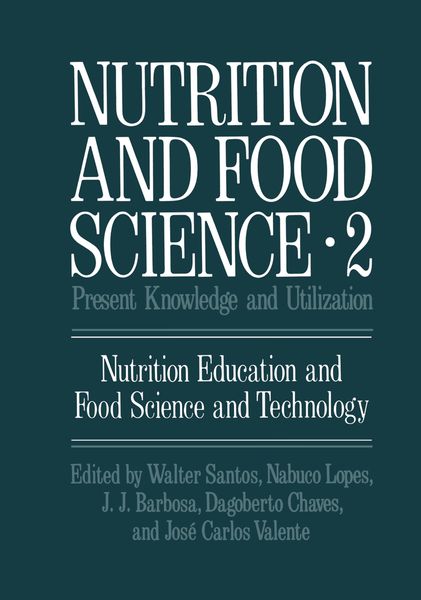
Band 2

Nutrition and Food Science Present Knowledge and Utilization

97,99 €

inkl. gesetzl. MwSt., Versandkostenfrei


Beschreibung

Produktdetails

Einband

Taschenbuch

Erscheinungsdatum

01.09.2013

Herausgeber

W. J. Santos

Verlag

Springer Us

Seitenzahl

950

Maße (L/B/H)

25,4/17,8/5,2 cm

Gewicht

1786 g

Auflage

Softcover reprint of the original 1st ed. 1980

Sprache

Englisch

ISBN

978-1-4757-0231-6

Beschreibung

Produktdetails

Einband

Taschenbuch

Erscheinungsdatum

01.09.2013

Herausgeber

W. J. Santos

Verlag

Springer Us

Seitenzahl

950

Maße (L/B/H)

25,4/17,8/5,2 cm

Gewicht

1786 g

Auflage

Softcover reprint of the original 1st ed. 1980

Sprache

Englisch

ISBN

978-1-4757-0231-6

Herstelleradresse

Springer-Verlag GmbH
Tiergartenstr. 17
69121 Heidelberg
DE

Email: GPSR Kontakt

Ein neues Kapitel für Ihre Bücher

Ein neues Kapitel für Ihre Bücher

Schenken Sie Ihren alten Schätzen ein zweites Leben und erhalten dafür eine Thalia Geschenkkarte.

Jetzt verkaufen
Jetzt verkaufen

Noch keine Bewertungen vorhanden

Verfassen Sie die erste Bewertung zu diesem Artikel

Helfen Sie anderen Kundinnen und Kunden durch Ihre Meinung.

Kundinnen und Kunden meinen

Bewertungen (0)

  • Produktbild: Nutrition and Food Science
  • Produktbild: Nutrition and Food Science
  • Animal and Vegetable Resources for Human Feeding.- Nutrition Priorities in the International Agricultural Research Network — Introductory Remarks.- How Nutrition Priorities can be Integrated into Crop Improvement Programs.- Progress in Nutritional Improvement of Maize and Triticale.- Improvement of Nutritional Quality of Sorghum and Pearl Millet.- The Need for Food Utilization and Processing Studies to Supplement Nutritional Evaluation.- Modern Practices in Animal Feeding — Relationship to Human Nutrition — Introductory Remarks.- Modern Practices in Pig Feeding and Husbandry: Relationship to Human Nutrition.- Perspectives of Milk/Beep Production Systems in the Tropics: Relationships to Human Nutrition.- Modern Practices in Cattle Feeding for Meat Production — Relationship to Human Nutrition.- Modern Practice in Cattle Feeding for Milk Production — Relationship to Human Nutrition.- Unexpected Nutritional Benefit from a Dairy Project.- Utilization of Waste for Food Production Using Animals: Application to Human Nutrition.- Report and Recommendations of the Workshop on Modern Practices of Animal Feeding: Relationship to Animal Nutrition.- Feed Formulation and Feed Technology.- Fish Feeding Technology.- Protein and Energy Requirements.- Vitamin, Fat and Mineral Requirements.- Vitamin Requirements of Finfish.- Status of Fish Food Formulation and Fish Nutrition — Research in Brazil.- Food Science and Technology.- Potential Utilization of Unconventional Food Sources and New Food Products — Introductory Remarks.- The Nutritional Value of Winged Bean (Psophocarpus tetragonolobus L. DC), with Special Reference to Five Varieties (Cultivars) Grown in Sri Lanka.- Prospects and Problems of Cultivation of Lupins in South America.- Vegetable Protein.- Studies Done in Ecuador on the Potential Utilization of Non-Conventional Sources of Foods.- B.P.C. — A Fish Protein Concentrate for Human Consumption.- Utilization of Non-Conventional Foods in Brazil.- The Experience in Mexico on the Utilization of Non-Conventional Protein Sources.- Agricultural Production of Soybeans: Relation between Varieties and Nutritive Values.- Types of Soy Protein Products.- Conversion of Raw Soybeans into High-Quality Protein Products.- Studies on Nutritive Values of Mixed Protein (50% Soy and 50% Fish) and Soy Protein Isolate in Japanese Adults.- The Technology of Iron Fortification.- The Technology of Vitamin A.- Biological and Chemical Products Applied in Agriculture: Their Influence on Food Quality.- Environmental Contaminants.- Contaminants and Additives in Animal Feeding: Relationship to Human Nutrition.- Contamination of the Argentinian Family Basket By Chlorinated Defensives Residues — Biological Repercussion.- Protection of the Consumer from Aflatoxins in Food.- Nutritional Losses in Storage and Processing of Legumes.- Role of Post-Harvest Conservation of Foods in Achieving Nutritional Goals.- Significance of Nutritional Losses in the Processing of Grains.- Research in Food Nutrition.- Report and Recommendations of the Workshop on Priorities in Nutrition Research — Panel Discussion.- Approaches to Setting Priorities.- Priorities for Nutrition Research.- Priority for Applied Nutrition Research in Developing Countries.- Priorities in Nutrition Research: Remarks from the Standpoint of the Italian Experience.- Priorities for Nutrition Research in a Developing Country — Turkey.- Nutrition Research Priorities for North Africa.- New Zealand National Diet Survey: Prelude to a National Nutrition Policy.- Critical Considerations for National Nutrition Surveys in Africa.- The Need for Periodical Revision of the National Nutritional Status.- Assessment and Monitoring of Nutritional Health.- New Approaches to the Assessment of Nutritional Status — Selection and Utilization of Nutrition Indicators — The Jamaican Experience.- Report and Recommendations of the Workshop on “New Approaches to the Assessment of Nutritional Status. Selection and Utilization of Nutrition Indicators”.- The Food and Nutrition Situation and the Perspectives for Food Demand in Morocco.- Contribution of Anthropology to Nutrition: Introductory Remarks.- An Anthropological Perspective on Nutrition Program Evaluation.- Anthropological Perspectives in Nutrition and Health Programmes.- Evaluation in a Caribbean Context: Sociocultural Factors Affecting a Community Health Aide Program.- Evaluation in a Middle Eastern Context: A Case Study.- Evaluation in an African Context: Special Emphasis on the Woman Producer and Reproducer — Some Theoretical Considerations.- The Experience of Greece.- Differences in Energy Expenditure in Selected Work under Control and AD Libitum.- A Study of the Energy Expenditure, Dietary Intake and Pattern of Daily Activities Among Various Occupational Groups. IV: Weightlifters.- Water and Electrolyte Balance in Exercise.- Predicting Nutritive Value of Food Protein by in Vitro Method.- Protein Quality of Food Measured with Tetrahymena Thermophila and Rat.- Enzymatic Hydrolysis of Food Proteins for Amino Acid Analysis.- Protein Quality Measurements on a Bacterial Single — Cell Protein (SCP) Grown on Methanol.- Methionine-Sulphoxide Content of Fish Protein Concentrate (FPC) and Available Methionine Determined Microbiologically with Streptococcus Zymogenes.- Defining Dietary Fiber in Food Technology.- Fractionation and Chemical Characterization of Dietary Fibre Components.- Evaluation of Methods Suggested for Assay of Dietary Fibre.- Nutrition Education.- Food and Nutrition Education within National Educational Systems.- What can be Expected from Nutritional Education Directed toward the Population of the Third World.- Evaluation of Nutrition Education Programs.- Reactor’s Comments on Nutrition Education.- Changing Nutrition and Health Behavior Through Mass Media: The Philippine Experience.- Nutrition Education in the Early Childhood Grade Levels in Israel.- Case Study on Nutrition Education in the United Kingdom.- Nutrition Education in the Netherlands.- Community Nutrition Education.- The Marketing Approach to Nutrition Education in Developing Countries.- Nutrition Training of Health Workers in Developing Countries.- Nutritional Education for Medical and Other Health Science Professionals in East Europe.- Nutrition Education for Medical and Other Health Science Professions in Asia.- The Tanzania Experience.- Nutrition and Primary Health Care Services II: Training.- Report on the Workshop on Nutrition Education for Medical and Other Health Sciences.- The Nutritionist-Dietitian in Latin-America.- Communications Competencies of the Nutritionist-Dietitian.- The Role of the Nutritionist in Expanding Community Nutrition Education Programs.- Qualification of the Nutritionist-Dietitian in Order to Participate in Community Based Health Programmes.- Adaptation of the Training of Dietitians to their Roles.- Dietetics Around the World — 1977 Survey of the Work and Training of Dietitians.- Thoughts on the Ethics of Dietetic Profession.