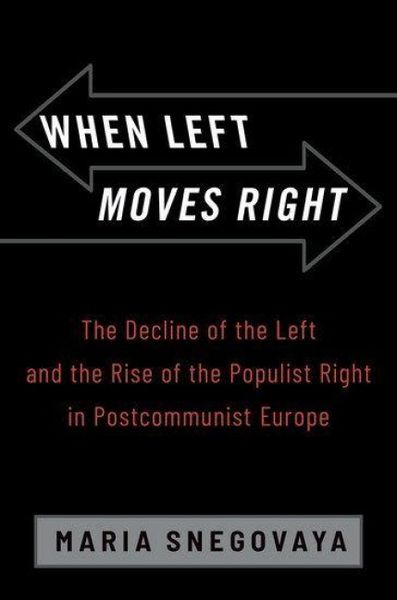
When Left Moves Right The Decline of the Left and the Rise of the Populist Right in Postcommunist Europe
-
- Taschenbuch ausgewählt
- eBook
-
Sprache:Englisch
34,99 €
inkl. gesetzl. MwSt.,
Beschreibung
Produktdetails
Einband
Taschenbuch
Erscheinungsdatum
30.01.2024
Abbildungen
22 Figures
Verlag
Oxford University PressSeitenzahl
312
Maße (L/B/H)
23,2/15,8/3 cm
Gewicht
452 g
Sprache
Englisch
ISBN
978-0-19-769903-4
Over the past two decades, postcommunist countries have witnessed a sudden shift in the electoral fortunes of their political parties: previously successful center-left parties suffered dramatic electoral defeats and disappeared from the political scene, while right-wing populist parties soared in popularity and came to power. This dynamic echoed similar processes in Western Europe and raises a question: Were these dynamics in any way connected? When Right Moves Left argues that they were. And that the root of the connection between them lies in the pro-market rebranding of the ex-communist left--the key explanatory variable. This book asserts that, though the left's pro-market shift initially led to electoral rewards, it had a less straightforward impact on left-wing parties' electoral fortunes in the long run. Traditional supporters of the left (working-class and economically vulnerable groups) were alienated by the new economic policies, and the middle-class voters newly drawn to these parties did not compensate for those losses. As a result, for several electoral rounds following the rebranding, reformist parties on the left suffered dramatic electoral defeats. In response, right-wing parties in their respective countries adopted more redistributive economic platforms consistent with preferences of former supporters of the left, and incorporated sizeable shares of these electorates. This contributed to the growth of right-wing populist parties in the countries with a pro-market left. The book traces this process in postcommunist Europe on different levels of analysis: cross-country observational data, case studies, and individual-level experimental surveys. It argues that scholars should incorporate the economic policy dimension when explaining the demise of the left and the rise of the populist right in the region. It also examines important parallels between the dynamics of Western and postcommunist countries by arguing that the idiosyncrasy of Eastern European politics has been overstated in scholarly literature.
Ein neues Kapitel für Ihre Bücher
Ein neues Kapitel für Ihre Bücher
Schenken Sie Ihren alten Schätzen ein zweites Leben und erhalten dafür eine Thalia Geschenkkarte.
Noch keine Bewertungen vorhanden
Verfassen Sie die erste Bewertung zu diesem Artikel
Helfen Sie anderen Kundinnen und Kunden durch Ihre Meinung.
Kurze Frage zu unserer Seite
Vielen Dank für Ihr Feedback
Wir nutzen Ihr Feedback, um unsere Produktseiten zu verbessern. Bitte haben Sie Verständnis, dass wir Ihnen keine Rückmeldung geben können. Falls Sie Kontakt mit uns aufnehmen möchten, können Sie sich aber gerne an unseren Kund*innenservice wenden.
zum Kundenservice