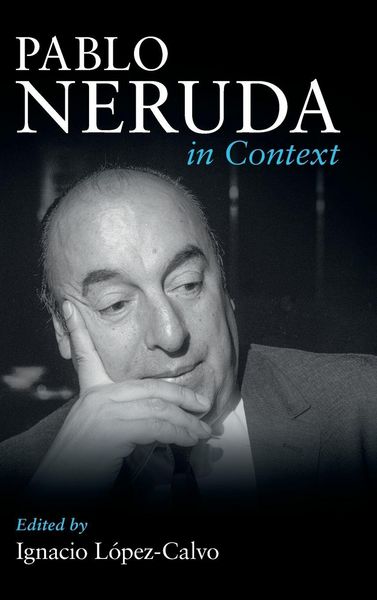
Foreword: A Bell and a Pencil with Green Ink. Reflections of a Young Poet; Introduction: The Author, His Life, and His Oeuvre; Part I. Residence and Travel: 1. A lo lejos alguien canta: Solitude as rite of passage and diplomatic life in East Asia, 1927-1932; 2. Pablo Neruda in Buenos Aires: An urban approach to his stay and sociability; 3. Pablo Neruda's España en el Corazón and the Spanish civil war; 4. France in the life and poetry of Pablo Neruda; 5. Of commitments and polemics: Neruda in Mexico, between Siqueiros and Paz; 6. Departure and return: Pablo Neruda, the traveler who always returned; Part II. Landmark Events and Relationships: 7. Neruda's misreadings: Myth and reality in Chilean history; 8. The Awards and honors of Pablo Neruda: The people's poet and politician; 9. Neruda on poetics: The 1971 nobel lecture; 10. Pablo Neruda: Poetry, monument, ruin; 11. The poet in New York: Pablo Neruda and the 1966 International P.E.N. club conference; 12. Women in the poet's life: More than muses; 13. Subjectivities and reception: Pablo Neruda on the 100th anniversary of Veinte poemas de amor y una canción desesperada; Part III. Literary Influences and Poetic Evolution: 14. Neruda and his precursors: Negotiating one's debts; 15. The adolescent poetry of Pablo Neruda (1920-1924): From Crepusculario to Veinte poemas de amor y una canción desesperada; 16. The confluence of avant-gardist form and realist content in residencia en la tierra; 17. Poetic evolution III (1950-1953): The politics and historicism of Pablo Neruda in canto general and España en el corazón; 18. Poetic evolution IV (1954-1957): The triptych of elemental odes, materialism, and everyday humble objects; 19. From late to posthumous poems: Neruda's forgotten futurity; Part IV. Other Genres: 20. Fulgor y muerte de Joaquín Murieta and the European political theater tradition; 21. Letters, life, and poetry: A pending task in the Nerudian universe; 22. The (In)visibility of the translator: Neruda and 44 poetas rumanos; 23. Amo las cosas loca, locamente': The poet as collector in Neruda's Odes; 24. We are many': How Neruda confessed to his contradictions in his memoirs; 25. Musical adaptations of Canto general; 26. Burning patience: Skármeta's invention of Neruda; Part V. Politics, Race, and Ecocriticism: 27. Pablo Neruda's political and intellectual trajectory: Between the author and the militant; 28. Pablo Neruda: on machu picchu and revolution; 29. The marxian Worldview in selected poems of Pablo Neruda; 30. Race and ethnicity: Pablo Neruda's black Atlantic; 31. Beyond the national poet: Neruda according to Chihuailaf; 32. Ecocritical readings: Neruda, critic of progress; Part VI. Worldwide Influence, Reception, and Legacy: 33. Poetry as World literature. The case of Pablo Neruda; 34. Fermenting the grapes of history: Decolonization and anti-imperialism in Neruda's India; 35. Neruda's legacy in China and Japan: from Ai Weiwei to Taeko Tomiyama; 36. Pablo Neruda from the Pacific to Palestine; 37. Pablo Neruda in dialogue with Nizâr Qabbânî and Mahmûd Darwîsh; 38. Neruda's life and poetry in the United States, United Kingdom, and the rest of the anglophone World; 39. Between Pushkin and Stalin: Pablo Neruda in the Soviet Union; Epilogue: 40. Of the time-worn human spring': On Pablo Neruda's legacy.