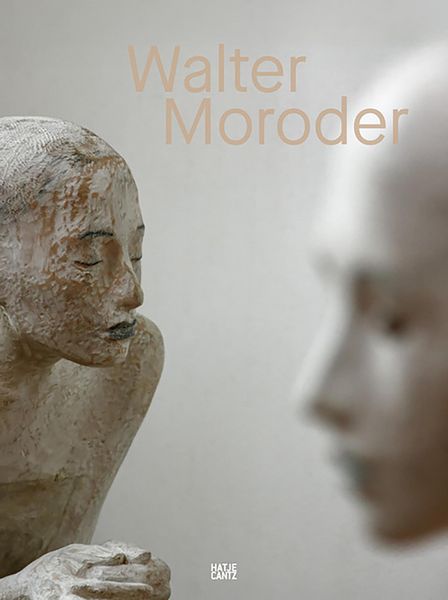
Walter Moroder. Figures of Presence and Absence
-
- eBook ausgewählt
-
Form:Einzelkauf Download
-
Sprache:Englisch
-
eBook Format:PDF
- ePUB 3 30,99 €
- PDF 30,99 € ausgewählt
30,99 €
inkl. gesetzl. MwSt.Beschreibung
Produktdetails
Format
Kopierschutz
Nein
Family Sharing
Nein
Text-to-Speech
Nein
Erscheinungsdatum
25.02.2026
Herausgeber
Markus KlammerVerlag
Hatje Cantz eBooksSeitenzahl
256 (Printausgabe)
Dateigröße
58644 KB
Sprache
Englisch
EAN
9783775762885
Timeless sculptures between presence and absence - an insight into the unique artistic world of Walter Moroder
Walter Moroder is one of the most distinctive sculptors of our time. His life-size figures, which refuse any imitation of human existence, embody a state of waiting, silence, and stillness - creating a powerful interplay of presence and absence.
This monograph presents, for the first time, a comprehensive overview of more than three decades of his artistic career. Structured into 16 chapters and enriched with large-format images, it allows readers to experience the depth and uniqueness of Moroder's work.
Book Highlights:
- Comprehensive monograph covering 30 years of artistic creation
- Life-size sculptures of existential intensity
- 16 chapters offering a clear overview and art-historical context
- Large-format illustrations and sophisticated book design
A must-have volume for collectors, art lovers, and anyone fascinated by the power of contemporary sculpture.
Markus Klammer is an editor, art critic, and curator of numerous exhibitions of modern and contemporary art, with publications and texts on Heinz Gappmayr, Rémy Zaugg, Gerhard Merz, Michele Bernardi, Hugo Vallazza (selection). Hatje Cantz published his monograph on Gianpietro Carlesso in 2014. Markus Klammer lives and works in Bolzano (Italy).
Walter Moroder (born 1963) comes from a renowned family of sculptors in Val Gardena (Italy). During his training, he went through all the stages of the region's craft and artistic tradition, only to leave them behind after studying at the Academy of Fine Arts in Munich (graduating in 1988) and making a decisive decision about his future direction. His sculptural exploration of the forms of the human body confirms his affinity for classical sculpture, but in conjunction with a decidedly postmodern visual thinking that goes beyond figurative, abstract, or neo-expressive conventions.
Noch keine Bewertungen vorhanden
Verfassen Sie die erste Bewertung zu diesem Artikel
Helfen Sie anderen Kundinnen und Kunden durch Ihre Meinung.
Kurze Frage zu unserer Seite
Vielen Dank für Ihr Feedback
Wir nutzen Ihr Feedback, um unsere Produktseiten zu verbessern. Bitte haben Sie Verständnis, dass wir Ihnen keine Rückmeldung geben können. Falls Sie Kontakt mit uns aufnehmen möchten, können Sie sich aber gerne an unseren Kund*innenservice wenden.
zum Kundenservice