KI-Beratung Beta

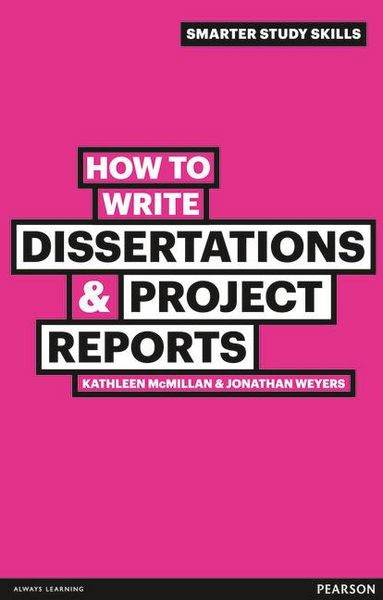
Produktbild: How to Write Dissertations & Project Reports

How to Write Dissertations & Project Reports

Aus der Reihe Smarter Study Skills

22,99 €

inkl. gesetzl. MwSt., Versandkostenfrei


Beschreibung

Produktdetails

Einband

Taschenbuch

Erscheinungsdatum

30.06.2011

Verlag

Pearson Academic

Seitenzahl

312

Maße (L/B/H)

21,7/13,9/2 cm

Gewicht

378 g

Auflage

2. Auflage

Sprache

Englisch

ISBN

978-0-273-74383-5

Beschreibung

Produktdetails

Einband

Taschenbuch

Erscheinungsdatum

30.06.2011

Verlag

Pearson Academic

Seitenzahl

312

Maße (L/B/H)

21,7/13,9/2 cm

Gewicht

378 g

Auflage

2. Auflage

Sprache

Englisch

ISBN

978-0-273-74383-5

Herstelleradresse

Libri GmbH
Europaallee 1
36244 Bad Hersfeld
DE

Email: gpsr@libri.de

Ein neues Kapitel für Ihre Bücher

Ein neues Kapitel für Ihre Bücher

Schenken Sie Ihren alten Schätzen ein zweites Leben und erhalten Sie dafür eine Thalia Geschenkkarte.

Jetzt verkaufen
Jetzt verkaufen

Noch keine Bewertungen vorhanden

Verfassen Sie die erste Bewertung zu diesem Artikel

Helfen Sie anderen Kundinnen und Kunden durch Ihre Meinung.

Kundinnen und Kunden meinen

Bewertungen (0)

  • Produktbild: How to Write Dissertations & Project Reports
  • Introduction

    1. Tackling a dissertation or project report: how to make the best possible start

    2. Choosing a dissertation or project report: how to decide on a theme for your investigation

    Planning your research

    3. Writing a proposal: how to structure a successful dissertation or research proposal

    4. Time management: how to write your dissertation or project while balancing family, work and leisure

    5. Planning for dissertations: how to begin your research and evolve a model for your writing

    6. Planning for experimental projects: how to organise your efforts effectively

    Finding and filtering information

    7.  Information literacy: how to make the best use of the library resources

    8. Effective academic reading: how to read efficiently and with understanding

    9. Analysing and evaluating source material: how to filter and select relevant material as part of the research process

    10. Note-making from source material: how to create effective notes to support your dissertation and project research

    Applying research techniques

    11. Principles of quantitative research:  how to obtain and analyse numerical information

    12. Principles of qualitative research: how to obtain and analyse descriptive information

    13.Experimental research and field visits: how to develop and apply your skills

    14. Thinking critically: how to develop a logical approach to analysis and problem-solving

    Working with Data & Numbers

    15. Number crunching: how to solve problems in arithmetic and algebra

    16. Interpreting and presenting data: how to understand & produce graphs, tables & basic statistics

    Addressing issues of plagiarism, referencing amd ethics

    17. Plagiarism and copyright infringement: how to avoid being accused of ‘stealing’ the ideas and work of others

    18. Citing and listing references: how to refer appropriately to the work of others

    19. Ethics in researching and reporting: how to follow good research practice

    Writing a first draft

    20. Structuring a dissertation: how to organise your writing within a standard framework

    21. Structuring a project report: how to select and shape your content appropriately

    22. Academic writing style: how to adopt appropriate language conventions

    Editing, revising and presenting

    25. Reviewing, editing and proof-reading: how to make sure that your writing is concise and correct

    26. Exploiting feedback: how to understand and learn from what your supervisor writes on your work

    27. Presentation of dissertations and reports: how to follow the appropriate academic conventions

    References and further reading

    Glossary