KI-Beratung Beta

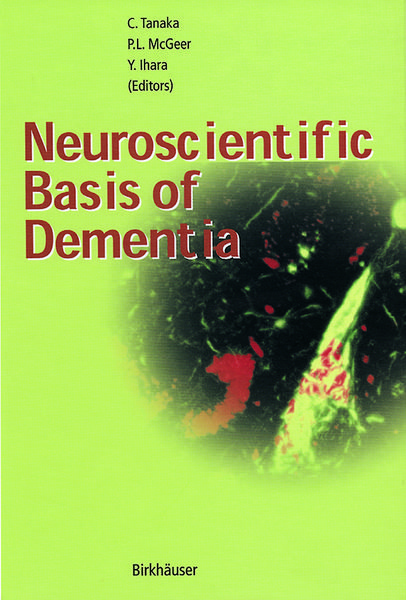
Produktbild: Neuroscientific Basis of Dementia

Neuroscientific Basis of Dementia

49,99 €

inkl. gesetzl. MwSt., Versandkostenfrei


Beschreibung

Produktdetails

Einband

Taschenbuch

Erscheinungsdatum

23.10.2012

Abbildungen

XXI, 298 p.

Herausgeber

Chikako Tanaka + weitere

Verlag

Springer Basel

Seitenzahl

298

Maße (L/B/H)

23,5/15,5/1,8 cm

Gewicht

493 g

Auflage

Softcover reprint of the original 1st edition 2001

Sprache

Englisch

ISBN

978-3-0348-9482-1

Beschreibung

Produktdetails

Einband

Taschenbuch

Erscheinungsdatum

23.10.2012

Abbildungen

XXI, 298 p.

Herausgeber

Verlag

Springer Basel

Seitenzahl

298

Maße (L/B/H)

23,5/15,5/1,8 cm

Gewicht

493 g

Auflage

Softcover reprint of the original 1st edition 2001

Sprache

Englisch

ISBN

978-3-0348-9482-1

EU-Ansprechpartner

IBS Logistics
Benzstr. 21
48619 Heek
DE
contact@ibs-logistics.de

Herstelleradresse

Springer Basel
Picassoplatz 4
4052 Basel
CH
buchhandel-buch@springer.com

Ein neues Kapitel für Ihre Bücher

Ein neues Kapitel für Ihre Bücher

Schenken Sie Ihren alten Schätzen ein zweites Leben und erhalten Sie dafür eine Thalia Geschenkkarte.

Jetzt verkaufen
Jetzt verkaufen

Noch keine Bewertungen vorhanden

Verfassen Sie die erste Bewertung zu diesem Artikel

Helfen Sie anderen Kundinnen und Kunden durch Ihre Meinung.

Kundinnen und Kunden meinen

Bewertungen (0)

Die Leseprobe wird geladen.
  • Produktbild: Neuroscientific Basis of Dementia
  • Special lectures.- A tale of protein kinase C and membrane lipid signaling.- Complement, neuroinflammation and neuronal degeneration in Alzheimer disease.- Memory and its impairment.- Neurobiological mechanisms by which emotional arousal influences long-term memory formation.- Amygdalar damage and memory impairment in Alzheimer’s disease.- Neural substrate for spatial memory in the monkey hippocampus.- Involvement of CaM kinase II and mitogen-activated protein kinase in hippocampal long-term potentiation.- Pathogenesis of dementia — tau.- Transgenic mice overexpressing the shortest human tau isoform develop a progressive tauopathy.- Tau and neurodegenerative disease: genetics and pathogenetic mechanisms.- Tau mutations altering splicing of tau exon 10 in japanese frontotemporal dementia.- Amyotrophic lateral sclerosis/parkinsonism-dementia complex of the Kii peninsula of Japan (Kii ALS/PDC) may be a familial tauopathy. Epidemiological trends, clinical features, neuropathology and molecular genetics.- Senile dementia of the neurofibrillary tangle type (SD-NFT): a clinical, neuropathological and molecular genetic study.- The dual role of tau in cell polarisation and organelle trafficking.- Rearrangement of microtubule networks by tau bearing missense mutations.- Possible role of tau phosphorylation on ER membrane in Alzheimer pathology.- Pathogenesis of dementia — synuclein.- Pathogenesis of dementia: updating the role of synuclein pathology in sporadic and hereditary Alzheimer’s disease.- ?-Synuclein/NACP and neurodegeneration.- ?-Synuclein fibrillogenesis as target for drug development.- Pathogenesis of dementia — presenilin and amyloid.- Genetics of early-onset Alzheimer disease.- Lessons from presenilin domain analysis: endoproteolytic processing andenhanced A?42 production mediated by FAD-linked variants.- Amyloid and presenilins in the pathobiology of Alzheimer’s disease.- Role of presenilin in APP processing and A? production.- Impairment of response to ER stress in presenilin 1 mutant.- Mechanism of neuron death in Alzheimer’s disease.- Notch3 gene in CADASIL syndrome: mutation frequencies in Japanese and its expression and processing.- Etiological roles of A? and carboxyl terminal peptide fragments of amyloid precursor protein in Alzheimer disease.- Amyloid ?-protein granules in glial cells in Alzheimer’s disease brain.- Amyloid ? induces phosphorylation and translocation of MARCKS through tyrosine kinase-activated PKC-? signaling pathway in microglia.- Amyloid ?-protein accumulation in the human brain during aging.- Molecular mechanisms underlying initiation of amyloid fibril formation.- Catabolism of amyloid-? peptide in brain parenchyma.- Diagnosis and therapeutics of dementia.- Lessons in familial Alzheimer’s disease.- Biological markers for differential diagnosis of Alzheimer’s disease and related disorders.- Dietary factors and the risk of Alzheimer’s disease: a low fish consumption and a relative deficiency of ?-3 polyunsaturated fatty acids.- Risk factors for dementia.- New therapeutic approaches to Alzheimer’s disease.