KI-Beratung Beta

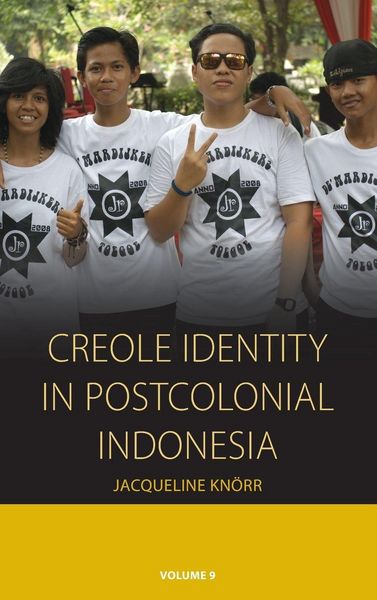
Produktbild: Creole Identity in Postcolonial Indonesia
Band 9

Creole Identity in Postcolonial Indonesia

149,99 €

inkl. gesetzl. MwSt., Versandkostenfrei


Beschreibung

Produktdetails

Einband

Gebundene Ausgabe

Erscheinungsdatum

24.03.2014

Abbildungen

Illustrationen, nicht spezifiziert

Verlag

Ingram Publishers Services

Seitenzahl

236

Maße (L/B/H)

23,5/15,7/1,7 cm

Gewicht

498 g

Sprache

Englisch

ISBN

978-1-78238-268-3

Beschreibung

Produktdetails

Einband

Gebundene Ausgabe

Erscheinungsdatum

24.03.2014

Abbildungen

Illustrationen, nicht spezifiziert

Verlag

Ingram Publishers Services

Seitenzahl

236

Maße (L/B/H)

23,5/15,7/1,7 cm

Gewicht

498 g

Sprache

Englisch

ISBN

978-1-78238-268-3

Herstelleradresse

Libri GmbH
Europaallee 1
36244 Bad Hersfeld
DE

Email: gpsr@libri.de

Ein neues Kapitel für Ihre Bücher

Ein neues Kapitel für Ihre Bücher

Schenken Sie Ihren alten Schätzen ein zweites Leben und erhalten Sie dafür eine Thalia Geschenkkarte.

Jetzt verkaufen
Jetzt verkaufen

Noch keine Bewertungen vorhanden

Verfassen Sie die erste Bewertung zu diesem Artikel

Helfen Sie anderen Kundinnen und Kunden durch Ihre Meinung.

Kundinnen und Kunden meinen

Bewertungen (0)

  • Produktbild: Creole Identity in Postcolonial Indonesia
  • List of Maps and Figures
    Acknowledgements

    Introduction

    • Creole Identity and Postcolonial Diversity
    • Ethnic versus Transethnic Identity
    • National Identity in the Context of Ethnic and Transethnic References
    • The City as Locus and Focus
    • Categories of Identification and Social Discourses as Objects of Observation and Analysis
    • Notes on Field Research

    Chapter 1. Creole Identity in Postcolonial Context

    • Creole Terminology at the Conceptual Crossroads of History and Ideology
    • Creolization and Creole Identity Beyond the Caribbean
    • Towards a Comparative Concept of Creole Identity
    • Indigenization and Ethnogenesis as Criteria of Creolization
    • Creoleness versus (Post-)creole Continuum
    • The CvP Model: Creolization versus Pidginization
    • The Pidgin Potential of Creole Identity for Postcolonial Nation-building
    • Creole Ambivalences

    Chapter 2. Jakarta, Batavia, Betawi

    • Cityscape and City Dwellers
    • Historical Beginnings: Sunda Kelapa, Jayakarta, Batavia
    • Social Organization and Interethnic Relationships in Batavia
    • Creolization and the Emergence of the Betawi
    • Social Marginalization of the Betawi
    • The (Re-)discovery of the Betawi: Objectives and Context of State Sponsorship

    Chapter 3. Orang Betawi versus Orang Jakarta

    • Discourses, Definitions, Dichotomies
    • Betawi (asli) versus pendatang
    • Betawi versus Betawi Asli: Ethnic References with and without 'Asli'
    • Betawi as Jakarta Asli
    • The Pidgin Potential of Betawi Culture and Identity
    • Orang Jakarta as a Category of Urban Identification
    • Creolization of Jakartan Identity?
    • Tradition and Modernity in the Relationship between Orang Betawi and Orang Jakarta ... and a Miss and Mister Jakarta Pageant

    Chapter 4. Suku bangsa Betawi: Integration and Differentiation of Ethnic Identity

    • The Inner and Outer circle of the Betawi
    • Betawi Kota: the (Political) Spearhead of the Betawi
    • Betawi Pinggir: the Guardians of 'True Islam'
    • Betawi Udik: the Guardians of 'True Tradition'
    • Betawi Kota, Pinggir and Udik: Integration through Differentiation and Diversification from Within
    • The Arabic Dimension of Betawi-ness
    • Tugu: Exotics of Enclave?
    • Kampung Sawah: The (Christian) Betawi in the Paddy Field
    • Bangsawan Betawi: About the Invention of a Betawi Aristocracy
    • Batak Going Betawi, Or: What Is a Batak Betawi?

    Chapter 5. Betawi versus Peranakan (Chinese)

    • Conceptual Disentanglement
    • Cina Benteng: the First Peranakan
    • Between Privilege and Expulsion: The Chinese in Batavia and Early Postcolonial Jakarta
    • The Repression of the Chinese during the Suharto Era
    • Recent Developments: 'Free the Dragon' versus 'Be(com)ing Betawi'
    • The Betawi's Appetite for Incorporation

    Chapter 6. Orang Betawi versus Orang Indonesia: On the Connection between Ethnic Diversity and National Unity

    • Pancasila and Bhinneka Tunggal Ika as Core Principles of National Identity
    • The Betawi as a Representation of Bhinneka Tunggal Ika: On the Meaning of 'Diversity of Origin' for 'Unity in Diversity'
    • National Meanings of Betawi Indigeneity
    • Betawi-ization versus Javanization of the National Centre
    • Betawi contraorang kompeni: Postcolonial Constructions of Anticolonial Heroism
    • Orang Betawi and Orang Indonesia as Interconnected Categories of Identification

    Chapter 7. Betawi Politics of Identity and Difference

    • Betawi Goes Politics: The First 'Betawi untuk Gubernur' Campaign
    • Indigeneity in the Production of Authenticity and Commitment
    • Creole Identity in the Production of Commonalities
    • Islam In and Out of Politics
    • Jakarta between National and Local Representation
    • Social Margins Going Ethno-politics
    • Betawi as a Social Class and as Urban Identification

    Conclusion: Towards an Open End

    Bibliography