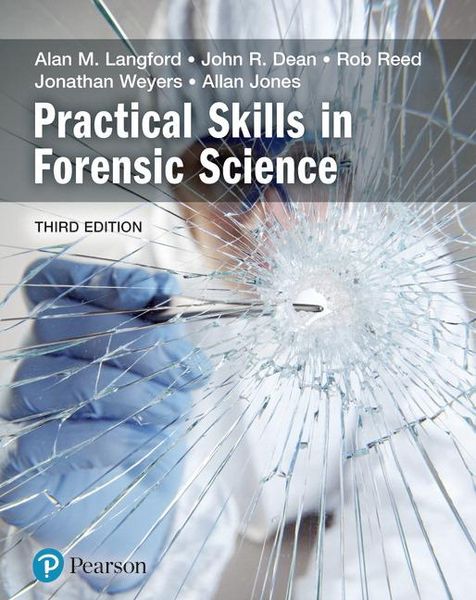
Practical Skills in Forensic Science
-
- Taschenbuch ausgewählt
- eBook
-
Sprache:Englisch
79,99 €
inkl. gesetzl. MwSt.,
Beschreibung
Produktdetails
Einband
Taschenbuch
Erscheinungsdatum
01.11.2018
Verlag
Pearson AcademicSeitenzahl
672
Maße (L/B/H)
27,5/22/3 cm
Gewicht
1440 g
Auflage
3. Auflage
Sprache
Englisch
ISBN
978-1-292-13946-3
If you are studying forensic science, or a related course such as forensic chemistry or biology, then this book will be an indispensable companion throughout your entire degree programme. This ‘one-stop’ text will guide you through the wide range of practical, analytical and data handling skills that you will need during your studies. It will also give you a solid grounding in the wider transferable skills such as teamwork and study skills.
This third edition of Practical Skills in Forensic Science builds upon the excellent foundation of its predecessors and provides an easy-to-read guide to help you develop the skills you need to succeed. It retains the key features of earlier editions, with a layout that explains the essential elements of practical techniques and procedures in a step-by-step manner to help you understand their application in the context of forensic science.
Features include:
· Coverage of a wide range of practical aspects from fingerprint recovery, trace evidence examination, bodily fluid examination and DNA analysis, as well as broader skills such as tackling numerical problems and passing exams.
· Case examples, guidelines for documentation and reporting results, plus advice on the legal aspects of forensic science provide you with an understanding of the professional role of a forensic scientist.
· New material on personal development planning, learning styles, e-learning and avoiding plagiarism.
· Updated sections on software for graphical and statistical analysis.
· Worked examples and ‘How To’ boxes provide practical guidance and support.
· Key points highlight critical features of methodology.
· Use of margin tips, definitions and illustrations throughout.
· Additional sources of further study identified for every chapter.
· Safety notes highlight specific hazards and appropriate practical steps to minimise risk.
· Study exercises (and answers) in each chapter help to reinforce learning.
ALAN LANGFORD is Senior Lecturer and Programme Leader in Criminology and Forensic Sciences at Northumbria University, UK; JOHN DEAN is Professor of Analytical and Environmental Sciences and Director of the Graduate School at Northumbria University, UK; ROB REED is Professor of Biomedical Science and Director of Undergraduate Science Programs at CQUniversity, Australia; DAVID HOLMES is Director of Collaborative Programs in Applied Sciences at Northumbria University, UK; JONATHAN WEYERS is Director of Quality Assurance at the University of Dundee, UK; and ALLAN JONES is Senior Lecturer and Chancellor's Award Fellow in Ecology, Environmental Science and Zoology at the University of Dundee, UK.
Ein neues Kapitel für Ihre Bücher
Ein neues Kapitel für Ihre Bücher
Schenken Sie Ihren alten Schätzen ein zweites Leben und erhalten Sie dafür eine Thalia Geschenkkarte.
Noch keine Bewertungen vorhanden
Verfassen Sie die erste Bewertung zu diesem Artikel
Helfen Sie anderen Kundinnen und Kunden durch Ihre Meinung.
Kurze Frage zu unserer Seite
Vielen Dank für Ihr Feedback
Wir nutzen Ihr Feedback, um unsere Produktseiten zu verbessern. Bitte haben Sie Verständnis, dass wir Ihnen keine Rückmeldung geben können. Falls Sie Kontakt mit uns aufnehmen möchten, können Sie sich aber gerne an unseren Kund*innenservice wenden.
zum Kundenservice