KI-Beratung Beta

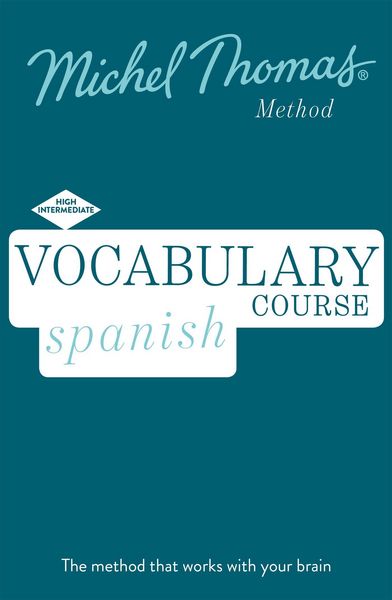
Produktbild: Vocabulary Spanish (Learn Spanish with the Michel Thomas Method)

Vocabulary Spanish (Learn Spanish with the Michel Thomas Method)

56,99 €

inkl. gesetzl. MwSt., Versandkostenfrei


Beschreibung

Produktdetails

Spieldauer

2 Stunden

Erscheinungsdatum

21.05.2019

Hörtyp

Lesung

Fassung

ungekürzt

Medium

CD

Verlag

Hodder & Stoughton

Sprache

Englisch

EAN

9781473692800

Beschreibung

Produktdetails

Spieldauer

2 Stunden

Erscheinungsdatum

21.05.2019

Hörtyp

Lesung

Fassung

ungekürzt

Medium

CD

Verlag

Hodder & Stoughton

Sprache

Englisch

EAN

9781473692800

Herstelleradresse

Libri GmbH
Europaallee 1
36244 Bad Hersfeld
DE

Email: gpsr@libri.de

Noch keine Bewertungen vorhanden

Verfassen Sie die erste Bewertung zu diesem Artikel

Helfen Sie anderen Kundinnen und Kunden durch Ihre Meinung.

Kundinnen und Kunden meinen

Bewertungen (0)

  • Produktbild: Vocabulary Spanish (Learn Spanish with the Michel Thomas Method)
    • : Introduction: How this course came about, what it does and does not include, how it works, and how it is both faithful to and expands upon the Michel Thomas Language Courses
    • : COURSE SEGMENT 1: WHAT YOU ALREADY KNOW
    • : 1. Introduction; -ible to -ible
    • > possible - posible (one stingy s); horrible - horrible; etc.
    • : 2. -able to able
    • > probable - probable; acceptable - aceptable; etc.
    • : 3. -AR verbs to -able
    • : Remove the -AR and add -able
    • > dudar (to doubt) to dudable (doubtful); soportar (to bear) to soportable (bearable); tolerar (to tolerate) to tolerable; etc.
    • : 4. Add in to make a negative word
    • > evitable (avoidable) to inevitable (inevitable; unavoidable); tolerable to intolerable; etc.
    • : Diminutive -ito
    • > hijo (son) to hijito (affectionate, little boy);
    • > Juan to Juanito (nickname).
    • > besar (to kiss) to besable (kissable)
    • : 5. -ER verbs to ible
    • > creer (to believe) to creíble (believable); vender (to sell) to vendible (sellable); etc.
    • : - IR verbs to -ible
    • > definir (to define) to definible (definable)
    • : -ible to -ible
    • > flexible to flexible; compatible to compatible; etc.
    • : 6. - ant to -ante
    • > important to importante; restaurant to restaurante; etc.
    • : -AR verbs to -ante
    • >participar (to participate) to participante (participant); alarmar (to alarm) to alarmante (alarming); etc.
    • : 7. -ent to -ente
    • > different to diferente (one stingy f); evident to evidente; incompetent to incompetente; etc.
    • : 8. -tion to -ción
    • > condition to condición; attention to atención; formation to formación; etc.
    • : 9. -sion to -sión
    • > impression to impresión (one stingy s); decision to decisión; mission to misión (one stingy s); etc.
    • : 10. ence to encia
    • > influence to influencia; difference to diferencia (one stingy f''); preference to preferencia; etc.
    • : 11. Words that look feminine but are masculine
    • > the problem to el problema; the map to el mapa; the climate to el clima; etc.
    • : -ance to -ancia
    • > importance to importancia; elegance to elegancia; intolerance to intolerancia; etc.
    • : 12. -ly to -mente
    • : automatically to automáticamente; naturally to naturalmente; personally to personalmente; etc.
    • : Use realmente for actually.
    • : 13. -ary to -ario
    • > vocabulary to vocabulario; necessary to necesario (one stingy s); contrary to contrario; etc.
    • : 14. -ive to -ivo
    • > exclusive to exclusivo; positive to positivo; constructive to constructivo; etc.
    • : 15. -ute to -uto
    • >absolute to absoluto; substitute to substituto; institute to instituto; etc.
    • : -ous to -oso
    • > famous to famoso; etc.
    • : 16. -ical to -ico
    • > practical to prático; basic to básico; magic to mágico; etc.
    • : Require an accent over stressed syllable.
    • : 17. -ent to -ento
    • > talent to talento; moment to momento;
    • : -t or -it to -to
    • > honest to honesto; Robert to Roberto; credit to crédito; etc.
    • : -ic to -ico
    • > dramatic to dramático; automatic to automático; ironic to irónico; etc.
    • : Require an accent over the stressed syllable.
    • : 18. -ure to -ura
    • : - temperature to temperatura; literature to literatura; culture to cultura; etc.
    • : 19. -tude to -tud
    • > aptitude to aptitud; altitude to altitud; gratitude to gratitude; etc.
    • : 20. -ity to -dad
    • > possibility to posibilidad (one stingy s''); humanity to humanidad; infinity to infinidad; etc.
    • : 21. -ist to -ista
    • > artist to artista; dentist to dentista; optimist to optimista; etc.
    • : 22. -y to ía
    • > irony to ironía; astronomy to astronomía; philosophy to filosofía (phonetic ph - f); etc.
    • : Require an accent over the stressed syllable.
    • : 23. -in or -ine to -ina
    • > aspirin to aspirina; discipline to disciplina; gasoline to gasolina; etc.
    • : -ice to ina
    • > office to oficina (one stingy f)
    • : 24. -id to -ido
    • > solid to sólido; valid to válido; timid to tímido; etc.
    • : Require an accent over the stressed syllable.
    • : 25. -ism to -ismo
    • > organism to organismo; capitalism to capitalismo; heroism to heroismo; etc.
    • : -ure to -uro
    • > future to futuro.
    • : COURSE SEGMENT 2: MORE STRUCTURE: MORE VERBS AND HOW TO USE THEM
    • : 1. -AR Good Guy Regular Verbs
    • >evitar (to avoid); tentar (to tempt); usar (to use); inventar (to invent); mencionar (to mention); formar (to form); gastar (to spend)
    • : Using gustarse - It is pleasing... It pleases me, you, us, them...
    • : Using debería to express should
    • : More -AR Good Guys
    • > gritar (to shout); ganar (to earn; to win)
    • : Wing tense endings: -AR Track and The Other Track
    • : aba; abas, aba; ábamos, aban
    • : ía, ías, ía, íamos, ían
    • : 2. Inventing -AR Verbs Using -tion Words in English. Just remove the tion and add an r.
    • > invitation to invitar (to invite); justification to justificar (to justify); etc.
    • : More -AR Good Guys
    • : olvidarse (to forget); cenar (to dine); imaginar (to imagine); admirar (to admire); instalar (to install); adorar (to adore); considerar (to consider); acusar (to accuse); inspirar (to inspire); clasificar (to classify); estudiar (to study); consolar (to
    • : 3. More -AR Good Guys
    • > negociar (to negotiate)
    • : Using si fuera for If I were... plus the conditional tense (-ría; rías; ríamos; rían)
    • > Si fuera más joven, compraría un apartamento en Mallorca. (If I were younger, I would buy an apartment in Mallorca.)
    • : When would refers to the past.
    • > Cuando era un hombre rico, compraba un coche nuevo todos los años. (When I was a rich man, I WOULD buy a new car every year.)
    • : 4. More -AR Good Guys
    • > limpiar (to clean); llamar (to phone; to call); gastar (to spend); mirarse (to look at); prestar (to lend); besar (to kiss)
    • : In Spanish, you spell it like it sounds.
    • > tocar (to touch) in command tense, toque, etc.
    • > atacar (to attack) in command tense, ataque, etc.
    • : 5. Good Guys from the Other Track: -ER and -IR
    • : beber (to drink); aprender (to learn); comprender (to understand); entender (to understand); responder (to respond; to answer); escribir (to write)
    • : 6. Reflexive Verbs - When the Subject and Object are the Same: Think ...self
    • > esconderse (to hide oneself); despertarse (to wake up; to wake oneself up); sentarse (to sit down; to sit oneself down); levantarse (to get up or stand up; to get oneself up) lavarse (to wash oneself); casarse (to get married); vestirse (to get dress
    • : The Impersonal One
    • > Se come bien aquí. (One eats well here.)
    • : The Passive Voice: When the Subject is Acted Upon
    • > El museo se abre todos los días. (The museum is opened every day.)
    • : 7. More practice with -ER verbs and reflexives.
    • > prometer (to promise); poder (to be able to); responder (to respond; to answer); caber (to fit into); llover (to rain); ofrecer (to offer);
    • > protegerse (to protect oneself); defenderse (to defend oneself)
    • : 8. More -ER Verbs
    • > deber (should, ought to); vender (to sell)
    • : GO GO to GA GA Verb
    • > valer (to be worth); valer la pena (to be worth it) Ex. valgo to valga in command tense.
    • : Using sino to express but rather
    • : No soy rico sino pobre. (I am not rich, but rather poor.)
    • : 9. More -ER Verbs
    • > temer (to fear); toser to cough); creer (to believe); crecer (to grow); reconocer (to recognize); meter (to place or put)
    • : 10. Some -IR Verbs
    • > admitir (to admit); insistir en (insist on); invadir (to invade); omitir (to omit); decidir (to decide); sufrir (to suffer); recibir (to receive); cubrir (to cover) describir (to describe); abrir (to open); huir (to flee); permitir (to permit); prohi
    • : 11. Some more -IR Verbs
    • : In Spanish you spell it like it sounds.
    • > destruir (to destroy) I destroy = destruyo; command tense = destruya; construir (to construct) I construct = contruyo; command tense = construya; incluir (to include)
    • : I conclude = concluyo; command tense = concluya.
    • : 12. Some more -IR Verbs
    • : Cuzco Verb: traducir (to translate) I translate = traduzco; command tense = traduzca
    • : Some -IR Verbs with spelling changes in the DOT Tense
    • : traducir to traduje; tradujiste; tradujo; tradujimos; tradujeron; producir (to produce) to produje, produjiste, produjo; produjimos; produjeron
    • : 13. Some more -IR' Verbs
    • : subir a (to climb up; to board a tren, etc.)
    • : (Also used for to raise your voice or subir la voz.)
    • : More practice with -IR Verbs
    • : salir (to go out; to leave); salir con (to go out with); sufrir (to suffer)
    • : 14. Verbs that cave in from e to ie
    • > perder (to lose) pierdo; pierdes; pierde; perdemos (does NOT cave in); pierden
    • : Command tense: pierda, pierdas, pierda; perdamos (does NOT cave in); pierdan
    • : Following this pattern: negar (to negate); pensar (to think); cerrar (to close)
    • : The right now in the process of doing e to i
    • : mentir (to tell a lie) to mintiendo; pedir (to ask) to pidiendo
    • : 15. Verbs that cave in from o or u to ue
    • : poder (to be able to) puedo, puedes; puede, podemos (does NOT cave in); pierden
    • : Command tense: perida, pierdas; pierda; perdamos (does NOT cave in); pierdan
    • : Following this pattern: costar (to cost); volver (to come; to return); acostarse (to lie down); acordarse con (to agree with)
    • : 16. More verbs that cave in from o or u to ue
    • : mostrar (to show); jugar (to play)
    • : 17. Verbs that go from e to i
    • : vestirse (to get dressed; to dress oneself) to me visto, te vistes; se viste; nos vestimos (does NOT cave in); se visten
    • : Following this pattern: servir (to serve); repetir (to repeat)
    • : Command tense: me vista; te vistas; se vista; nos vistamos; se vistan
    • : The right now in the moment of doing e to i = vistiéndose; mintiendo; pidiendo; sirviendo; repitiendo
    • : 18. Expressions that trigger the command tense.
    • : Let's = hablar to hablemos; comer to comamos; sufrir to suframos
    • : Positive command: pronouns AFTER the verb
    • > Dígamelo. (Tell it to me.); Póngalos aquí.(Put them here.)
    • : 19. Expressions that trigger the Command Tense
    • : Whenever you want someone else to do something
    • > querer que (to want that); preferir que (to prefer that); proponer que (to propose that); permitir que (to permit that); es necesario que (it is necessary that)
    • : Expressing emotion
    • > temer que (to fear that); alegrarse de que (to be glad that); ser riículo que (to be ridiculous that); sentir que (to be sorry that); Es lástima que (It's a shame that...); ser bueno/malo que (to be good or bad that)
    • : Expressing Doubt, denial or unreality
    • > dudar que (to doubt that); ser imposible que (to be impossible that); ser improbable que (to be improbable that)
    • : 20. More practice with expressions that trigger the Command Tense
    • > querer que (to want that); dudar que (to doubt that); alegrarse de que (to be glad that)
    • : COURSE SEGMENT 3: Everyday Expressions and Useful Bits and Pieces
    • : 1. Verb-plus expressions: acabar de (to have finished, to have just finished)
    • : Followed by the to form of the verb.
    • : 2. More verb-plus expressions: dejar de (to finish, to stop doing something)
    • : volver a (to return to; to return to doing something)
    • : aprovecharse de (to take advantage of)
    • : These verb-plus expressions are followed by the to form of the verb in examples such as these: Volvió a comerlo. (He returned to eating it.); Deben hacerlo. (They ought to do it.).
    • : 3. More verb-plus expressions: cambiar de (to change, to change your mind)
    • : contar con (to count on)
    • : darse cuenta de (to realize, to notice)
    • : estar de acuerdo con (to agree with)
    • : 4. More verb-plus expressions.
    • : querer decir (to mean)
    • : valer la pena (to be worth it)
    • : 5. HACER in time expressions.
    • > Lo comí hace una hora. (I ate it an hour ago.); Hace mucho tiempo lo hizo. (He did it a long time ago.); Hacía dos años que Juan vivía en España. (Juan had been living in Spain for two years.); etc.
    • : 6. HACER in weather expressions.
    • > Hace frío. (It's cold); Hace calor. (It's hot.); Hace viento. (It's windy.), etc.
    • : Some other uses of HACER.
    • : hacer un viaje (to take a trip)
    • : hacer una pregunta (to ask a question)
    • : hacer daño (to harm)
    • : 7. Expressions using TENER.
    • : tener que (to have to; to have to do something) Followed by the to form of the verb.
    • : tener frío (to be cold)
    • : tener calor (to be warm)
    • : tener sed (to be thirsty)
    • : tener hambre (to be hungry)
    • : tener suerte (to be lucky)
    • : tener cuidado (to be careful)
    • : tener sueño (to be sleepy)
    • : tener prisa (to be in a hurry)
    • : tener razón (to be correct)
    • : tener la culpa (to be to blame)
    • : tener ganas de (to desire to do something; to be in the mood for)
    • : 8. More expressions using TENER.
    • : tener X años. (to be X years old)
    • : tener lugar (to take place)
    • : tener paciencia (to be patient)
    • : tener lógica (to make sense)
    • : tener remedio (to have a solution)
    • : 9. Uses of PARA.
    • : to a destination; for a person; in order to; to or toward a location or goal; expressing deadlines
    • : Words used to ask questions.
    • : 'Cuándo? (When?); 'Cuánto/a? 'Cuántos/as? (How much; how many?)
    • : 'Cómo? (How?)
    • : 'Dónde? (Where?)
    • : 'Quién(es) (Who?)
    • : 'Cuál(es? (Which one?; which ones?)
    • : Days of the week. (See Glossary)
    • : 10. Using Time Expressions
    • : antes de (before)
    • : después de (after)
    • : More days of the week.
    • : Seasons of the year.
    • : Months of the year.
    • : 11. Telling time.
    • : Es la una. (It's one o'clock.)
    • : Son las dos. (It's two o'clock.)
    • : Son las cuatro y cuarto. (It's four fifteen.)
    • : Son las cinco y media. (It's five thirty.)
    • : Time of day. (See Glossary)
    • : Numbers (See Glossary)
    • : 12. More uses of PARA.
    • : Compared with others in a category. (Para un joven... (For a young person...)
    • : Purpose, what an object or objects are used for
    • : To study to be - Estudiar para
    • : In order to
    • : 13. Uses of POR.
    • : In exchange for
    • : per (e.g., per hour)
    • : 14. More uses of POR.
    • : through a place or space
    • : duration of time
    • : Some expressions using POR.
    • : por ahora (for now)
    • : por eso (because of that; therefore)
    • : 15. More uses of POR.
    • : Some more expressions using POR.
    • : ¡ Por Dios! (For Heavens sake!)
    • : por ahora (for now)
    • : por eso (because of that; therefore)
    • : por ejemplo (for example)
    • : por fin (at last; finally)
    • : por lo visto (apparently)
    • : More uses of POR.
    • : by (agent of doing)
    • : on behalf of; in place of another person
    • : 16. More uses of POR.
    • : to go for, to fetch something or someone
    • : Choosing between PARA and POR to convey different meanings.
    • : 17. Expressions using LO.
    • : lo bueno (the good thing)
    • : lo malo (the bad thing)
    • : lo útil (the useful thing)
    • : lo hecho (the done thing; that which is done)
    • : lo necesario (the necessary thing)
    • : lo importante (the important thing)
    • : lo mío (mine; that which is mine)
    • : lo suyo (lo tuyo) (yours; that which is yours)
    • : 18. Uses of SER.
    • : to describe a rather permanent condition of being
    • : to define something
    • : to show possession (es de...)
    • : 19. More Practice with SER.
    • : to describe the colour of something
    • : to express where someone is from; origin or nationality
    • : to describe someone's profession
    • : 20. Uses of ESTAR.
    • : to describe a temporary condition or state of being
    • : to use with -ando and -iendo to describe actions that right now, at this moment, one is in the process of doing (e.g., estoy hablando - I am right now speaking)
    • : to describe location
    • : Choosing between SER and ESTAR to convey different meanings.
    • : Using SER to express the passive voice (e.g. when the subject is being acted upon)
    • : 21. More practice choosing between SER and ESTAR to convey different meanings.
    • : being ill vs. being an invalid
    • : being handsome vs. looking good right now
    • : 22. Using Double Negatives in Spanish
    • : something vs. nothing
    • : someone vs. no one or nobody
    • : sometimes vs. never
    • : any vs. none
    • : Expressions using negatives.
    • : me neither (ni yo tampoco)
    • : by no means; No way! (¡De ningún modo! ¡De ninguna manera!)
    • : neither...nor (ni...ni)
    • : either...or (o...o)
    • : 23. Making comparisons.
    • : más...menos (more...less)
    • : mejor...peor (better...worse)
    • : lo mejor...lo peor (the best...the worst)
    • mayor/menor: (older/younger)
    • : 24. Using opposites to build vocabulary.
    • : bueno/malo (good/bad)
    • : fácil/difícil (easy/difficult)
    • : pequeño/grande (small/large)
    • : entrada/salida (entry/exit)
    • : 25. Adding -in and -des to transform words into their opposites.
    • : feliz/infeliz (happy to unhappy)
    • : agradable/desagradable (pleasant/unpleasant)
    • : 26. Some more useful, everyday expressions.
    • : sin embargo (without a doubt)
    • : cada una de (each one of)
    • : a ver (let's see...)
    • : Expressions describing location or where things are.
    • : dentro de (inside)
    • : cerca de ...lejos de (near...far)
    • : behind (detrás de)
    • : 27. More ways to express location.
    • : encima de (on top of)
    • : debajo de (under; underneath)
    • : Some more useful, everyday expressions.
    • : al menos; por lo menos (at least)
    • : Concluding remarks and suggestions for further practice.