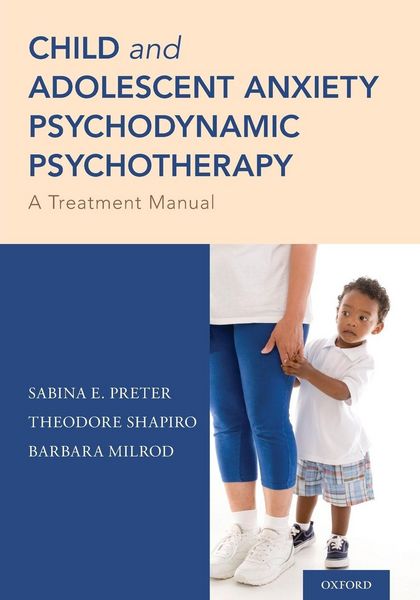
Child and Adolescent Anxiety Psychodynamic Psychotherapy A Treatment Manual
-
- Taschenbuch ausgewählt
- eBook
-
Sprache:Englisch
71,99 €
inkl. gesetzl. MwSt.,
Beschreibung
Produktdetails
Einband
Taschenbuch
Erscheinungsdatum
18.09.2018
Verlag
Oxford University PressSeitenzahl
160
Maße (L/B/H)
25,4/17,8/0,9 cm
Gewicht
315 g
Sprache
Englisch
ISBN
978-0-19-087771-2
Child and Adolescent Anxiety Psychodynamic Psychotherapy, CAPP, is a new, manualized, tested, 24-session psychotherapeutic approach to working psychodynamically with youth with anxiety disorders. This book describes how clinicians intervene by collaboratively identifying the meanings of anxiety symptoms and maladaptive behaviors and to communicate the emotional meaning of these symptoms to the child. The treatment is conducted from a developmental perspective and the book contains clinical examples of how to approach youth of varying ages. The authors demonstrate that CAPP can help youth: � Reduce anxiety symptoms by developing an understanding of the emotional meaning of symptoms � Enhance children's skill of reflection and self-observation of one's own and others' motivations (improvement in symptom-specific reflective functioning) � Diminish use of avoidance, dependence and rigidity by showing that underlying emotions (e.g. guilt, shame, anger), as well as conflicted wishes and desires can be tolerated and understood � Understand fantasies and personal emotional significance surrounding the anxiety symptoms to reduce symptoms' magical qualities and impact on the child The manual provides a description of psychodynamic treatment principles and technique and offers a guide to opening, middle, and termination phases of this psychotherapy. It contains chapters on the historical background of psychodynamic child psychotherapy, on developmental aspects of child psychotherapy, and on the nature of parent involvement in the treatment. It will be useful for clinicians from diverse therapy backgrounds and it will appeal to the student reader, as well as to the experienced clinician.
Ein neues Kapitel für Ihre Bücher
Ein neues Kapitel für Ihre Bücher
Schenken Sie Ihren alten Schätzen ein zweites Leben und erhalten Sie dafür eine Thalia Geschenkkarte.
Noch keine Bewertungen vorhanden
Verfassen Sie die erste Bewertung zu diesem Artikel
Helfen Sie anderen Kundinnen und Kunden durch Ihre Meinung.
Kurze Frage zu unserer Seite
Vielen Dank für Ihr Feedback
Wir nutzen Ihr Feedback, um unsere Produktseiten zu verbessern. Bitte haben Sie Verständnis, dass wir Ihnen keine Rückmeldung geben können. Falls Sie Kontakt mit uns aufnehmen möchten, können Sie sich aber gerne an unseren Kund*innenservice wenden.
zum Kundenservice