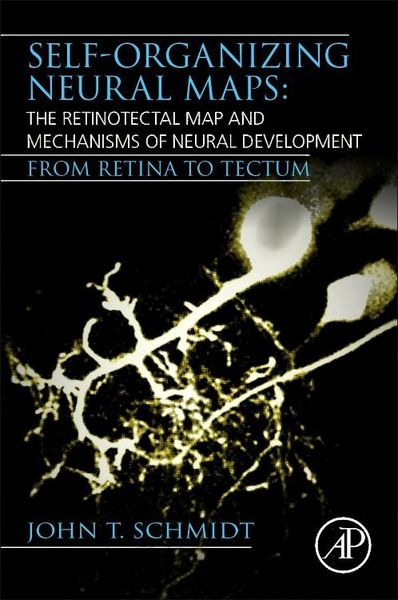
Schmidt, J: Self-Organizing Neural Maps: The Retinotectal Ma
-
- Taschenbuch ausgewählt
- eBook
-
Sprache:Englisch
121,99 €
UVP
154,50 €
inkl. gesetzl. MwSt.,
Beschreibung
Produktdetails
Einband
Taschenbuch
Erscheinungsdatum
15.10.2019
Verlag
Elsevier Science & TechnologySeitenzahl
472
Maße (L/B/H)
22,9/15,2/2,2 cm
Gewicht
720 g
Sprache
Englisch
ISBN
978-0-12-818579-7
Self-organizing Neural Maps: From Retina to Tectum describes the underlying processes that determine how retinal fibers self-organize into an orderly visual map. The formation of neural maps is a fundamental organizing concept in neurodevelopment that can shed light on developmental mechanisms and the functions of genes elsewhere. The book presents a summary of research in the retinotectal field with an ultimate goal of synthesizing how underlying mechanisms in neural development harmoniously come together to create life. A broad spectrum of neuroscientists and biomedical scientists with differing backgrounds and varied expertise will find this book useful.
Ein neues Kapitel für Ihre Bücher
Ein neues Kapitel für Ihre Bücher
Schenken Sie Ihren alten Schätzen ein zweites Leben und erhalten Sie dafür eine Thalia Geschenkkarte.
Noch keine Bewertungen vorhanden
Verfassen Sie die erste Bewertung zu diesem Artikel
Helfen Sie anderen Kundinnen und Kunden durch Ihre Meinung.
Kurze Frage zu unserer Seite
Vielen Dank für Ihr Feedback
Wir nutzen Ihr Feedback, um unsere Produktseiten zu verbessern. Bitte haben Sie Verständnis, dass wir Ihnen keine Rückmeldung geben können. Falls Sie Kontakt mit uns aufnehmen möchten, können Sie sich aber gerne an unseren Kund*innenservice wenden.
zum Kundenservice