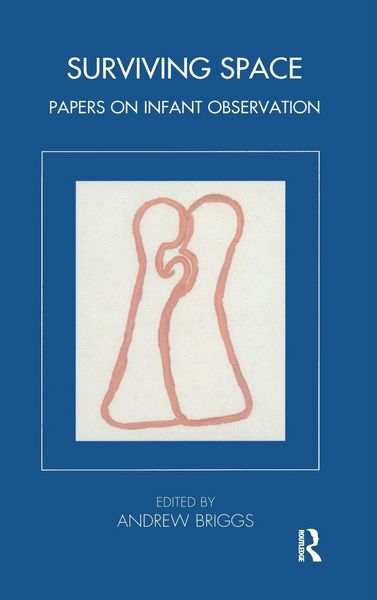
Surviving Space Papers on Infant Observation
-
- Hardcover ausgewählt
- Taschenbuch
- eBook
-
Sprache:Englisch
279,99 €
inkl. gesetzl. MwSt.,
Beschreibung
Produktdetails
Einband
Gebundene Ausgabe
Erscheinungsdatum
31.07.2019
Verlag
Taylor and FrancisSeitenzahl
344
Maße (L/B/H)
23,5/15,7/2,3 cm
Gewicht
650 g
Sprache
Englisch
ISBN
978-0-367-32718-7
Surviving Space is a collection of papers on infant observation and related issues by contemporary experts in the field, commemorating the centenary of Esther Bick and the unique contribution she has made to psychoanalytic theory.
Ein neues Kapitel für Ihre Bücher
Ein neues Kapitel für Ihre Bücher
Schenken Sie Ihren alten Schätzen ein zweites Leben und erhalten Sie dafür eine Thalia Geschenkkarte.
Noch keine Bewertungen vorhanden
Verfassen Sie die erste Bewertung zu diesem Artikel
Helfen Sie anderen Kundinnen und Kunden durch Ihre Meinung.
Kurze Frage zu unserer Seite
Vielen Dank für Ihr Feedback
Wir nutzen Ihr Feedback, um unsere Produktseiten zu verbessern. Bitte haben Sie Verständnis, dass wir Ihnen keine Rückmeldung geben können. Falls Sie Kontakt mit uns aufnehmen möchten, können Sie sich aber gerne an unseren Kund*innenservice wenden.
zum Kundenservice