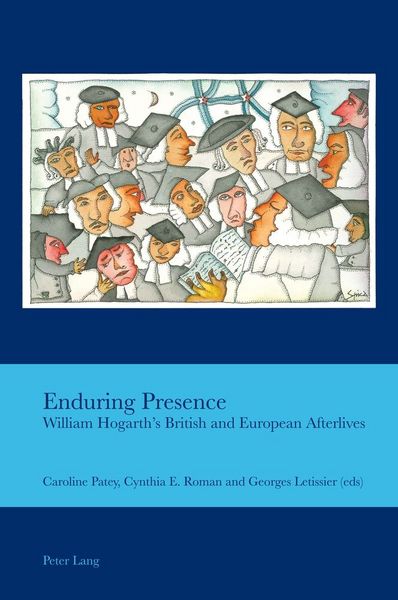
Book 1: The Politics of Taste – Emilio Mazza: Ships, hunters and anatomists. Hogarth and Hume – Elio Franzini: Aesthetic variations on the line of beauty – Cynthia E. Roman: James Gillray’s Hogarthian «ridicule». The contest of graphic satire and the Academy – Laura Rossi: From Pavel Fedotov to Viktor Shklovsky. The turbulent fortunes of William Hogarth in Russia and the USSR – Stefania Consonni: A note on Hogarth’s serpentine beauty. Geometry and hermeneutics, intelligence and eroticism – Hogarth’s Stages – Mariagabriella Cambiaghi: Hogarth and Garrick. Or, the British model for the nineteenth- century actor in Italy – Marco Castellari: A threepenny Hogarth. Brecht, Benjamin, and a friendship, with Hogarthian traces between Weimar and exile – Sara Soncini: Hogarth in drag. Acts of transvestism in
The Grace of Mary Traverse
and
Mother Clap’s Molly House
– Mariacristina Cavecchi: Hogarth’s progress in Nick Dear’s
The Art of Success
– In Other Media – Marie Gueden: «The knight of the organic line of beauty» and film. Or, William Hogarth and Sergei M. Eisenstein – Sylvia Greenup: An even lower
Before
and
After
. Homage, presentism and strategy in two TV adaptations of
A Harlot’s Progress
– Riccardo Capoferro: Hogarth and the history of graphic novels – Daniele Croci: Ripping Yarns. William Hogarth in Alan Moore and Eddie Campbell’s
From Hell
– C. Maria Laudando: Hogarth between London and Johannesburg. A serpentine progress through the metropolis of past and present.
Book 2: The Hogarth Effect on Prose – Rosamaria Loretelli:
The Analysis of Beauty
and the new eighteenth- century narrative paradigm – Roberta Ferrari: The drama of real life. Charles Lamb and «tragic» Hogarth – Paolo Bugliani: The comedy of artistic bathos. William Hazlitt’s familiarity with Hogarth –Francesca Orestano: Hogarth, Dickens, and the progress of vision – Proto- Modernist and Modernist Offshoots – Marco Modenesi: «A wholly popular name». William Hogarth in French fin- desiècle literature – Max Saunders: Hogarth, Ford Madox Brown and Ford Madox Ford – Maurizio Ascari: The present is the only time. Mansfield’s «Marriage à la Mode» and the inability to change – Lia Guerra: Joyce’s
Giacomo Joyce
and Hogarth’s aesthetics – Christine Reynier: Rebecca West’s and David Low’s intermedial dialogue with William Hogarth in
The Modern
«Rake’s Progress» (1934) – Dialogues with Contemporary Novelists – Roberta Cimarosti: Creole Britain in Hogarth and David Dabydeen’s Hogarthian books – Serena Grazzini: The line of grace in Peter Handke’s
Essay on the Successful Day
. With an excursus on Hogarth’s reception in Germanspeaking areas – Margaret Rose: William Hogarth and Thomas Coram’s Foundling Hospital. The institution’s afterlife in fiction and onstage – Alessandra Crotti:
A Rake’s Progress
of Stamford Hill? Howard Jacobson meets William Hogarth – Georges Letissier: William Hogarth’s serpentine line in Alan Hollinghurst’s «variety composed» literary aesthetics – Works cited.