Beschreibung
Produktdetails
Einband
Gebundene Ausgabe
Erscheinungsdatum
29.08.2025
Abbildungen
XIII, 319 p. 41 illus., 39 illus. in color.
Herausgeber
Shraddha Singh + weitereVerlag
Springer SingaporeSeitenzahl
319
Maße (L/B/H)
24,1/16/2,4 cm
Gewicht
668 g
Auflage
1. Auflage
Sprache
Englisch
ISBN
978-981-9504-24-4
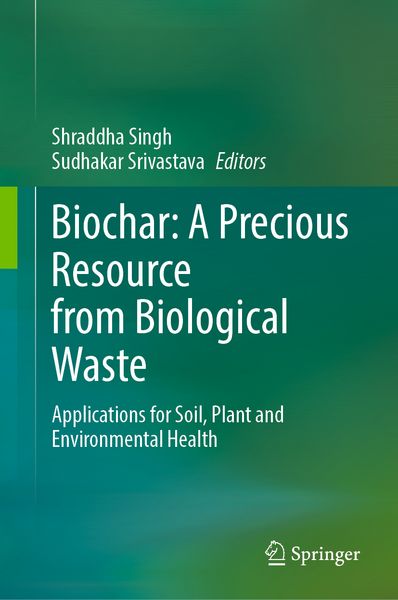
This book addresses the global challenge of feeding a growing population while grappling with diminishing land resources, deteriorating soil quality, and the impact of climate change. Its core focus is the role of soil health in sustaining and enhancing crop production. Key factors for successful agriculture include organic carbon levels, microbial activity, nutrient availability, optimal pH, and redox conditions. Additionally, the book explores the issue of agricultural waste, including rice and wheat straw, surplus vegetables, and various forms of biological waste like kitchen scraps and animal waste, all of which contain valuable nutrients.
The book highlights the significance of harnessing the potential within biological waste, rich in essential elements such as phosphorus, potassium, iron, zinc, and copper. It emphasizes the sustainable use of biochar, a material produced through the pyrolysis of diverse biological waste sources. Biochar application, explored in various dosages for different crops and fields, can effectively enhance soil pH, redox potential, organic carbon content, and essential nutrient availability while mitigating the bioavailability of toxic metals. It includes the generation and characterization of biochar, shedding light on its vital role in abiotic stress amelioration and growth and yield improvement of crops.
This book is a resource material for students, academicians, and scientists seeking up-to-date insights on biochar. By addressing the critical intersection of sustainable agriculture, waste management, and soil health, this book equips readers with a valuable resource to navigate the challenges of modern farming practices.
Ein neues Kapitel für Ihre Bücher
Ein neues Kapitel für Ihre Bücher
Schenken Sie Ihren alten Schätzen ein zweites Leben und erhalten Sie dafür eine Thalia Geschenkkarte.
Noch keine Bewertungen vorhanden
Verfassen Sie die erste Bewertung zu diesem Artikel
Helfen Sie anderen Kundinnen und Kunden durch Ihre Meinung.
Kurze Frage zu unserer Seite
Vielen Dank für Ihr Feedback
Wir nutzen Ihr Feedback, um unsere Produktseiten zu verbessern. Bitte haben Sie Verständnis, dass wir Ihnen keine Rückmeldung geben können. Falls Sie Kontakt mit uns aufnehmen möchten, können Sie sich aber gerne an unseren Kund*innenservice wenden.
zum Kundenservice