Gutscheinbedingungen

Gültig bis 19.08.2026 | Gültig für Spielzeug, Filme, Musik, Software, Games, Elektronik, Geschenke & Trends, Schreibwaren, Hörbücher und Hörbuch-Downloads (außer Abo & Shelfies), gebrauchte Bücher, nicht preisgebundene Bücher und Kalender | Einlösbar unter thalia.de und in der Thalia App | Click & Collect nur mit Online-Zahlung (Paypal/Kreditkarte) vorab | Einzelne Artikel können ausgeschlossen sein | Nicht kombinierbar mit anderen Gutscheinen oder Preisaktionen | Nur einmal pro Einkauf einlösbar | Gutschein wird auf max. 500€ Bestellwert angerechnet | Keine Barauszahlung | Digitale Hörbücher nur für Android  | Nicht gültig für preisgebundene Artikel (aufgrund der Buchpreisbindung sind Gutscheine nicht auf Bücher, eBooks, Presse einlösbar), tolino eReader & Zubehör, Abonnements & Flatrates, Geschenkkarten, Versandkosten und Services

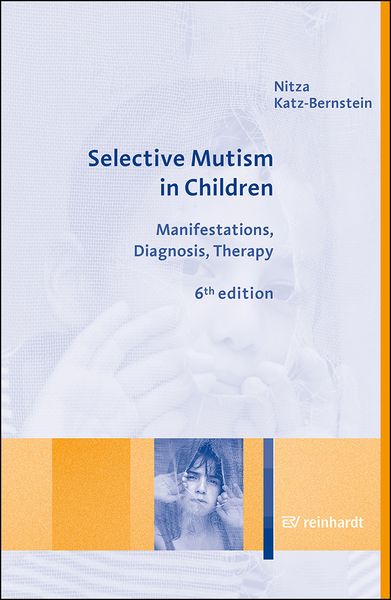
Produktbild: Selective Mutism in Children

Selective Mutism in Children Manifestations, Diagnosis, Therapy

40,00 €

inkl. gesetzl. MwSt., Versandkostenfrei


Beschreibung

Produktdetails

Einband

Taschenbuch

Erscheinungsdatum

19.01.2026

Abbildungen

2 Abb. 6 Tab.

Verlag

Ernst Reinhardt Verlag

Seitenzahl

243

Maße (L/B/H)

22,9/14,9/1,7 cm

Gewicht

406 g

Auflage

6th updated Auflage

Übersetzt von

Terry Moston + weitere

Sprache

Englisch

ISBN

978-3-497-03356-0

Beschreibung

Produktdetails

Einband

Taschenbuch

Erscheinungsdatum

19.01.2026

Abbildungen

2 Abb. 6 Tab.

Verlag

Ernst Reinhardt Verlag

Seitenzahl

243

Maße (L/B/H)

22,9/14,9/1,7 cm

Gewicht

406 g

Auflage

6th updated Auflage

Übersetzt von

  • Terry Moston
  • Harriet Rössger

Sprache

Englisch

ISBN

978-3-497-03356-0

Herstelleradresse

Reinhardt Ernst
Kemnatenstraße 46
80639 München
DE

Email: GPSR Kontakt

Ein neues Kapitel für Ihre Bücher

Ein neues Kapitel für Ihre Bücher

Schenken Sie Ihren alten Schätzen ein zweites Leben und erhalten dafür eine Thalia Geschenkkarte.

Jetzt verkaufen
Jetzt verkaufen

Noch keine Bewertungen vorhanden

Verfassen Sie die erste Bewertung zu diesem Artikel

Helfen Sie anderen Kundinnen und Kunden durch Ihre Meinung.

Kundinnen und Kunden meinen

Bewertungen (0)

  • Produktbild: Selective Mutism in Children
  • Content
    A Brief History. . . . . . . . . . . . . . . . . . . . . . . . . . . . . . . . . . . . . . . . . . . . . . 9
    Introduction. . . . . . . . . . . . . . . . . . . . . . . . . . . . . . . . . . . . . . . . . . . . . . . . . 13
    Part I Theoretical Approaches . . . . . . . . . . . . . . . . . . . . . . . . . . . . . . 21
    1 What is (Selective) Mutism?. . . . . . . . . . . . . . . . . . . . . . . . . . . . 22
    1.1 Definition and Manifestation. . . . . . . . . . . . . . . . . . . . . . . . . . . 22
    1.2 Diagnostic Criteria. . . . . . . . . . . . . . . . . . . . . . . . . . . . . . . . . . . 24
    1.3 Types of Mutism. . . . . . . . . . . . . . . . . . . . . . . . . . . . . . . . . . . . . 26
    1.4 Epidemiology, Co-Morbidity and Risk Factors . . . . . . . . . . . 28
    1.5 A Contribution to Aetiology: Why Are Children Silent?
    The Failure to Overcome Unfamiliarity. 33
    2 Linguistic and Developmental-Psychological Approaches -
    How Speaking and (Selective) Silence Develop . 36
    2.1 Why a Developmental-Psychological Approach?. . . . . . . . . . 36
    2.2 Language Acquisition and Language Development -
    Social-Interactive Position . 38
    2.2.1 Communication and Dialogue Structures - How Is Communication Learned? . 39
    2.2.2 Triangular Processes - Being Able to Deal with Requirements. 43
    2.2.3 Internal Mental Representation -
    The Power of Imagination and Evaluation . 47
    2.2.4 Symbolisation and Narrative Organisation -
    Acquisition of Narrative Skills. 50
    2.2.5 Separation of Internal and External Dialogue - Conversation Strategies. 53
    2.2.6 Internalised Values - Regulating Behaviour (= Mentalising) . 55
    2.3 Summary . . . . . . . . . . . . . . . . . . . . . . . . . . . . . . . . . . . . . . . . . . . 57
    Part II Diagnostics and Therapy Coordination . . . . . . . . . . . . . . . . . 59
    1 Diagnostic Surveys - How Can (Selective) Mutism be Recorded?. 60
    2 Setting and Case Management - Who, What, Where, When and What for?. 65
    3 Survey of Data Relevant to Therapy. . . . . . . . . . . . . . . . . . . . . 68
    Part III Therapeutic Approaches and Efficacious Treatments. . . . . 79
    1 Therapeutic Attitude. . . . . . . . . . . . . . . . . . . . . . . . . . . . . . . . . . 80
    1.1 Exert Pressure or Use Laissez Faire? -
    Planning the Therapeutic Relationship as a "Scaffolding" Principle. 81
    1.2 Relationship Design and Motivation. . . . . . . . . . . . . . . . . . . . . 82
    1.3 Models, Techniques, Training Programmes. . . . . . . . . . . . . . . 87
    1.4 Integrative Principles for Therapeutic Work . . . . . . . . . . . . . . 88
    2 Therapy Planning . . . . . . . . . . . . . . . . . . . . . . . . . . . . . . . . . . . . 91
    2.1 Clarification of the Tasks of the Treatment -
    Dealing with Ambiguous Messages. 91
    2.2 Separation from Attachment Figures -
    Mum Waits Outside!. 95
    2.3 Safe Place -
    The Safe Place as a Starting Point . 99
    2.4 Strengthening the "Alter Ego" - "Prove to Me that I'm Okay the Way I Am!". 105
    2.5 Perseverance - Working without Response. 109
    Part IV Communicating Non-Verbally. . . . . . . . . . . . . . . . . . . . . . . . . 111
    1 Constructing Communicative Behaviour - "Turn-taking". 112
    2 Working with Puppets and Transitional Objects - A Hut for the Bear . 114
    3 The Fairytale Book with Speech Bubbles - "Howl, Boom, Sigh ...". 118
    4 Language Therapies - Building Language without Speaking. 121
    5 Symbolisation and Narrative Processing - Narration without Language. 125
    5.1 The Symbolic Game as Therapeutic Intervention. . . . . . . . . . 125
    5.2 The Relevance of Symbolic Play in Therapy. . . . . . . . . . . . . . 127
    5.3 The Therapeutic Role in Symbolic Play. . . . . . . . . . . . . . . . . . 129
    5.4 Digression: Developmental Diagnosis of Symbolic Play . . . .