Beschreibung
Produktdetails
Einband
Gebundene Ausgabe
Erscheinungsdatum
05.04.2027
Verlag
Polity PressSeitenzahl
352
Übersetzt von
Valentine A. Pakis
Sprache
Englisch
ISBN
978-1-5095-7341-7
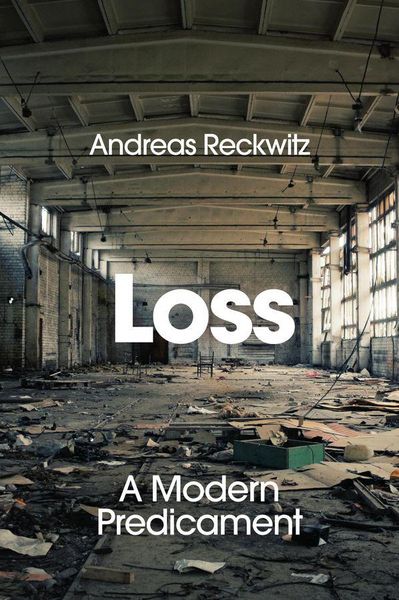
Experiences of loss shape and trouble contemporary societies in many different ways: from the devastating consequences of climate change to the protests of those who have lost out in the process of modernisation, and from the regression of liberal democracy to the loss of loved ones and the vulnerabilities of an aging society. But what is behind these diverse phenomena?
In a landmark study, Andreas Reckwitz demonstrates that the roots of this current explosion in the economy of loss can be traced back to the dawn of modern societies and to a key predicament of Western modernity: namely, the antagonism between the future-oriented promises of a society organised around progress and the painful, negative experiences of loss that accompanied these developments. He shows that modern society is, at heart, driven by a paradoxical relationship to loss: modernity seeks to contain losses while, at the same time, intensifying them. It makes losses systematically invisible while also actively cultivating and managing them: from nostalgia to risk calculations, from religion to psychotherapy and the politics of victimhood. In the vulnerable era of late modernity, however, the fragile relationship between loss and progress has been thrown out of balance. The key existential question of the 21st century is thus the following: how can Western modernity come to grips with loss if its promise of progress has been stripped of its credibility?
A pathbreaking work of major significance, Loss will appeal to anyone interested in the fundamental developments shaping modern societies and it will be essential reading for students and scholars sociology, politics and across the social sciences and humanities.
Ein neues Kapitel für Ihre Bücher
Ein neues Kapitel für Ihre Bücher
Schenken Sie Ihren alten Schätzen ein zweites Leben und erhalten Sie dafür eine Thalia Geschenkkarte.
Noch keine Bewertungen vorhanden
Verfassen Sie die erste Bewertung zu diesem Artikel
Helfen Sie anderen Kundinnen und Kunden durch Ihre Meinung.
Kurze Frage zu unserer Seite
Vielen Dank für Ihr Feedback
Wir nutzen Ihr Feedback, um unsere Produktseiten zu verbessern. Bitte haben Sie Verständnis, dass wir Ihnen keine Rückmeldung geben können. Falls Sie Kontakt mit uns aufnehmen möchten, können Sie sich aber gerne an unseren Kund*innenservice wenden.
zum Kundenservice