















































KI-Beratung Beta

Produktbild: Electroshock

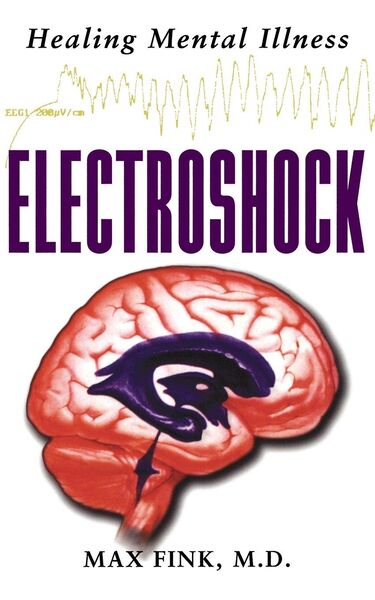
Electroshock Healing Mental Illness

64,99 €

inkl. gesetzl. MwSt., Versandkostenfrei


Produktdetails

Einband

Taschenbuch

Erscheinungsdatum

19.12.2002

Verlag Oxford University Press
Seitenzahl

176

Produktdetails

Einband

Taschenbuch

Erscheinungsdatum

19.12.2002

Verlag Oxford University Press
Seitenzahl

176

Maße (L/B/H)

20,3/12,7/1 cm

Gewicht

196 g

Sprache

Englisch

ISBN

978-0-19-515804-5

Herstelleradresse

Libri GmbH
Europaallee 1
36244 Bad Hersfeld
DE

Email: gpsr@libri.de

Ein neues Kapitel für Ihre Bücher

Ein neues Kapitel für Ihre Bücher

Schenken Sie Ihren alten Schätzen ein zweites Leben und erhalten Sie dafür eine Thalia Geschenkkarte.

Jetzt verkaufen
Jetzt verkaufen

Noch keine Bewertungen vorhanden

Verfassen Sie die erste Bewertung zu diesem Artikel

Helfen Sie anderen Kundinnen und Kunden durch Ihre Meinung.

Kundinnen und Kunden meinen

Bewertungen (0)

Die Leseprobe wird geladen.
  • Produktbild: Electroshock

    • 1: What is Electroshock?


    • 2: The Patient's Experience


    • 3: Risks and Contradictions


    • 4: Technical Features of the Treatment


    • 5: Depressive Mood Disorders


    • 6: Manic Mood Disorders


    • 7: Thought Disorders


    • 8: Movement Disorders


    • 9: How Does it Work?


    • 10: The Origins of Electroshock Therapy


    • 11: Controversies in Electroshock


    • 12: Electroshock in the 1990s


    • Appendix 1: Diagnoses in Which ECT is Considered Effective


    • Appendix 2: Diagnoses in Which ECT is Considered Ineffective


    • Appendix 3: Sample Consent Form for Electrotherapy


    • Appendix 4: Medicines