















































KI-Beratung Beta

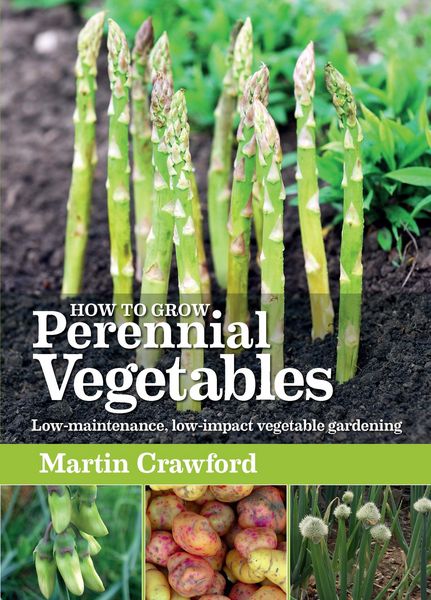
Produktbild: How to Grow Perennial Vegetables

How to Grow Perennial Vegetables Low-maintenance, low-impact vegetable gardening

21,99 €

inkl. gesetzl. MwSt., Versandkostenfrei


Beschreibung

How to Grow Perennial Vegetables gives comprehensive advice on all types of perennial vegetables, from ground-cover plants and coppiced trees to plants for bog gardens and edible woodland plants. Perennial vegetables are a joy to grow. Whereas traditional vegetable plots are largely made up of short-lived,...

Beschreibung

How to Grow Perennial Vegetables gives comprehensive advice on all types of perennial vegetables, from ground-cover plants and coppiced trees to plants for bog gardens and edible woodland plants. Perennial vegetables are a joy to grow. Whereas traditional vegetable plots are largely made up of short-lived, annual vegetable plants, perennials are edible plants that live longer than three years. Grown as permaculture plants, they take up less of your time and effort than annual vegetables, and extend the harvesting season - avoiding the hungry gap between the end of the winter harvest and the start of the summer harvest of annual vegetables. Unlike annual vegetables, perennials cover and protect the soil all year round, which maintains the structure of the soil and helps everything growing in it. Humous levels build up, nutrients don't wash out of the soil, and mycorrhizal fungi, critical for storing carbon within the soil, are preserved. Perennial plants also contain higher levels of mineral nutrients than annuals because they have larger, permanent root systems, capable of using space more efficiently Written by gardening expert Martin Crawford, this book gives comprehensive advice on how to grow and care for both common perennial vegetables like rhubarb, Jerusalem artichokes, horseradish and asparagus and unusual edible plants such as skirret, red chicory, nodding onions, Babington's leek, scorzonera, sea kale, wild rocket, coppiced trees and aquatic plants. With plenty of cooking tips, colour photographs and illustrations throughout and an A-Z of over 100 perennial edibles, it is an inspiration for all gardeners.

Produktdetails

Einband

Taschenbuch

Erscheinungsdatum

05.04.2012

Abbildungen

Full colour photographs throughout

Verlag Bloomsbury USA

Produktdetails

Einband

Taschenbuch

Erscheinungsdatum

05.04.2012

Abbildungen

Full colour photographs throughout

Verlag Bloomsbury USA
Seitenzahl

224

Maße (L/B/H)

23,5/16,9/2 cm

Gewicht

605 g

Farbe

Avocado / Anthrazit

Sprache

Englisch

ISBN

978-1-900322-84-3

Herstelleradresse

Libri GmbH
Europaallee 1
36244 Bad Hersfeld
DE

Email: gpsr@libri.de

Ein neues Kapitel für Ihre Bücher

Ein neues Kapitel für Ihre Bücher

Schenken Sie Ihren alten Schätzen ein zweites Leben und erhalten Sie dafür eine Thalia Geschenkkarte.

Jetzt verkaufen
Jetzt verkaufen

Noch keine Bewertungen vorhanden

Verfassen Sie die erste Bewertung zu diesem Artikel

Helfen Sie anderen Kundinnen und Kunden durch Ihre Meinung.

Kundinnen und Kunden meinen

Bewertungen (0)

Die Leseprobe wird geladen.
  • Produktbild: How to Grow Perennial Vegetables
  • Foreword by Hugh Fearnley-Whittingstall
    Introduction

    Part 1 - An introduction to perennial vegetables

    Why grow perennial vegetables?
    - What is a perennial vegetable?
    - The case for growing perennials

    Growing perennial vegetables
    - Types of perennial plant
    - Soils
    - Perennial beds
    - Planting patterns
    - Perennial polycultures
    - Perennial grains
    - Perennial tuber and root crops
    - Perennial vegetables and ground-cover plants
    - Forest gardens
    - Growing perennial vegetables under existing trees
    - Growing aquatic perennial vegetables
    - Native and non-native plants

    Maintenance of perennial vegetables
    - Feeding
    - Soil pH
    - Disease management
    - Pest management
    - Harvesting and yields
    - Propagation
    - Maintenance

    Part 2 - Perennial vegetables A-Z

    Appendix: Common and Latin names
    Resources