















































KI-Beratung Beta

Gutscheinbedingungen

Gültig bis 30.11.2026 | Gültig für nicht preisgebundene fremdsprachige Bücher | Einzelne Artikel können ausgeschlossen sein | Online auf thalia.de und in der Thalia App einlösbar | Click & Collect nur mit Online-Zahlung (Paypal/Kreditkarte) vorab | Nicht kombinierbar mit anderen Gutscheinen oder Preisaktionen | Nur einmal pro Einkauf einlösbar | Gutschein wird auf max. 500€ Bestellwert angerechnet | Keine Barauszahlung | Nicht gültig für Versandkosten und Services

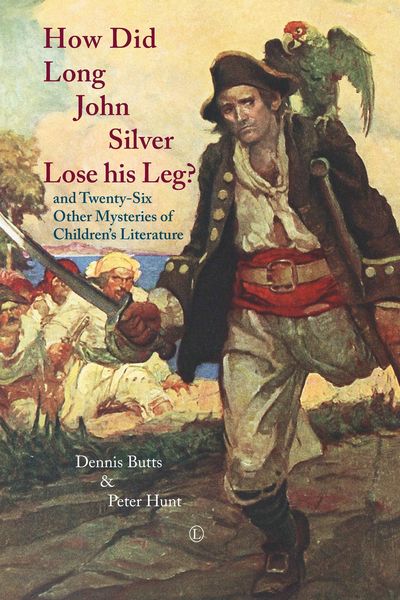
Produktbild: How Did Long John Silver Lose His Leg

How Did Long John Silver Lose His Leg And Twenty-Six Other Mysteries of Children's Literature

Aus der Reihe The Lutterworth Press

32,99 €

inkl. gesetzl. MwSt., Versandkostenfrei


Beschreibung

A wide-ranging and lively exploration of the questions raised by the classics of children's fiction, in the texts themselves and in their cultural reception. How did Long John Silver Lose His Leg?' is a diverting tour through some of the bestloved classics of children's literature, addressing many of...

Beschreibung

A wide-ranging and lively exploration of the questions raised by the classics of children's fiction, in the texts themselves and in their cultural reception. How did Long John Silver Lose His Leg?' is a diverting tour through some of the bestloved classics of children's literature, addressing many of the unanswered questions that inspire intense speculation when the books are laid down. Could Bobbie's train really have stopped in time ('The Railway Children')? Did Beatrix Potter have the 'flu in 1909, and did this lead to a certain darkness in her work ('The Tale of Mr Tod')? Would the 'rugby football' played by Tom Brown be recognised by sportsmen today ('Tom Brown's Schooldays')? The authors speculate entertainingly and informatively on the anomalies and unexplained phenomena found in children's literature and, having established the cultural importance of children's books in the modern age, also consider the more serious issues raised by the genre. Why are we so defensive of the idyllic worlds presented in children's books? Why have some of our best-loved authors been outed as neglectful parents to their own children? Should we ever separate the book from its creator and appreciate the works of writers convicted of crimes against children? A treat for any enthusiast of children's literature, two of the most distinguished writers on the subject provide rich detail, witty explication, and serious food for thought.

Produktdetails

Einband

Taschenbuch

Erscheinungsdatum

28.11.2013

Verlag Boydell & Brewer
Seitenzahl

154

Produktdetails

Einband

Taschenbuch

Erscheinungsdatum

28.11.2013

Verlag Boydell & Brewer
Seitenzahl

154

Maße (L/B/H)

23,3/15,6/1 cm

Gewicht

244 g

Sprache

Englisch

ISBN

978-0-7188-9310-1

Herstelleradresse

Libri GmbH
Europaallee 1
36244 Bad Hersfeld
DE

Email: gpsr@libri.de

Ein neues Kapitel für Ihre Bücher

Ein neues Kapitel für Ihre Bücher

Schenken Sie Ihren alten Schätzen ein zweites Leben und erhalten Sie dafür eine Thalia Geschenkkarte.

Jetzt verkaufen
Jetzt verkaufen

Noch keine Bewertungen vorhanden

Verfassen Sie die erste Bewertung zu diesem Artikel

Helfen Sie anderen Kundinnen und Kunden durch Ihre Meinung.

Kundinnen und Kunden meinen

Bewertungen (0)

  • Produktbild: How Did Long John Silver Lose His Leg
  • 1. Difficulties with Dates Captain F. W. Marryat, The Children of the New Forest (1848) (DB) 2. I Suppose You Have Heard of the Tom Brown Question? Thomas Hughes, Tom Brown's Schooldays (1857) (DB) 3. Was Ballantyne Really Bothered About Cocoa-Nuts? R. M. Ballantyne, The Coral Island (1858) (DB) 4. How often Does Charles Dodgson Appear in the 'Alice' Books? Alice's Adventures in Wonderland (1865) and Through the Looking-Glass (1873) (PH) 5. What Did Mr March Do in the War Between the States? Louisa M. Alcott, Little Women (1868) (DB) 6. How Long John Silver Lost his Leg and Acquired a Parrot R. L. Stevenson, Treasure Island (1883) (DB) 7. The Moon, the French Chef and the Missionary: Textual Revisions by Rider Haggard H. Rider Haggard, King Solomon's Mines (1885) and Allan Quatermain (1887) (DB) 8. How did Bevis Grow Ten Years in 58 days? Richard Jefferies, Bevis (1888) (PH) 9. How Much Gold Was in Pevensey Castle? Rudyard Kipling, Puck of Pook's Hill (1906), Rewards and Fairies (1908) (PH) 10. Would Bobbie's Train Have Stopped in Time? E. Nesbit, The Railway Children (1906) (PH) 11. Did Isabel Archer Meet Mr Toad? Kenneth Grahame, The Wind in the Willows (1908) (PH) 12. How Did Mary Get to Misslethwaite Manor? Frances Hodgson Burnett, The Secret Garden (1911) (PH) 13. Did Beatrix Potter Really Suffer from 'Flu? The Tale of Mr Tod (1912) (DB) 14. Why Did Wilfred Owen Change 'The Little Mermaid'? (1912) (DB) 15. How Many Adults Are There in Winnie-the-Pooh? Winnie-the-Pooh (1926) and The House at Pooh Corner (1928) (PH) 16. The Strange Disappearance of Europe: Why Didn't Children's Books Notice the Approach of Two World Wars? (PH) 17. How Old was the Great Aunt? Arthur Ransome, Swallowdale (1931), The Picts and the Martyrs (1943) (PH) 18. Did John Masefield ever Meet Hitler or Stalin? The Box of Delights (1936) (DB) 19. How Well Did George Orwell Really Know Billy Bunter? 'Boys' Weeklies', Horizon, 1940 20. Some Questions of Authorship A. L. O. E., Mrs Herbert Strang, Dynely James and others (DB) 21. Exactly How Big Was the Little House in the Big Woods? Laura Ingalls Wilder, 'Little House' Series (1932-1971) (DB) 22. Did Jennings Ever Grow Up or Learn Anything? Anthony Buckeridge, Jennings Goes to School (1950) (DB) 23. Skating on Thin Ice: the Problems of Time in Tom's Midnight Garden. Philippa Pearce (1958) (DB) 24. Does Anyone Really Write for Children? Lewis Carroll, J. M. Barrie, Beatrix Potter, Kenneth Grahame, Arthur Ransome, Enid Blyton, Roald Dahl (PH) 25. Did the Line Really Hold? Alan Garner, The Stone Book Quartet (1976-8) (PH) 26. The Mayne Incident: Do Writers for Children Have to be Nicer than Other Writers? William Mayne (PH) 27. Who is Killing Cock-Robin? The Mysterious Death of the Children's Book (PH)