















































KI-Beratung Beta

Gutscheinbedingungen

Gültig bis 30.11.2026 | Gültig für nicht preisgebundene fremdsprachige Bücher | Einzelne Artikel können ausgeschlossen sein | Online auf thalia.de und in der Thalia App einlösbar | Click & Collect nur mit Online-Zahlung (Paypal/Kreditkarte) vorab | Nicht kombinierbar mit anderen Gutscheinen oder Preisaktionen | Nur einmal pro Einkauf einlösbar | Gutschein wird auf max. 500€ Bestellwert angerechnet | Keine Barauszahlung | Nicht gültig für Versandkosten und Services

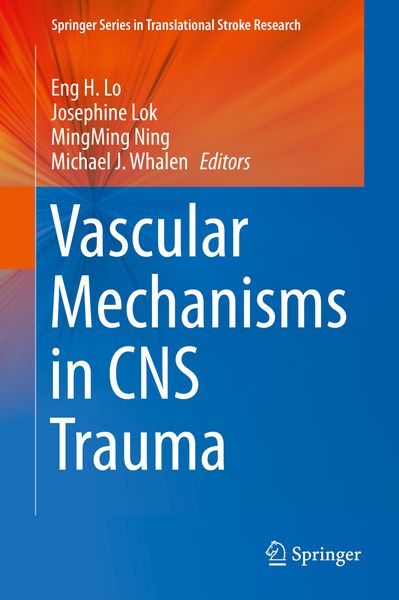
  • Produktbild: Vascular Mechanisms in CNS Trauma
  • Produktbild: Vascular Mechanisms in CNS Trauma
  • Produktbild: Vascular Mechanisms in CNS Trauma
Band 5 - 13%

Vascular Mechanisms in CNS Trauma

13% sparen

138,99 € UVP 160,49 €

inkl. gesetzl. MwSt., Versandkostenfrei


Beschreibung

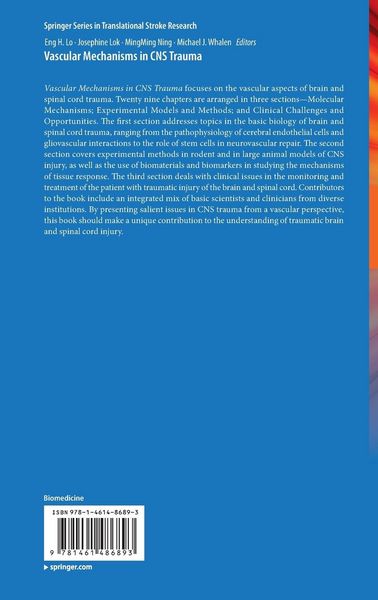
While there are a number of books on the market that deal with neuronal mechanisms and targets, the proposed book will be the only one to cover the vascular aspects of CNS trauma. The contributing authors will present basic mechanisms, explain cutting-edge experimental models and techniques, and provide...

Beschreibung

While there are a number of books on the market that deal with neuronal mechanisms and targets, the proposed book will be the only one to cover the vascular aspects of CNS trauma. The contributing authors will present basic mechanisms, explain cutting-edge experimental models and techniques, and provide several clinical chapters that provide treating physicians with some insight on the cases that they see in the ICU. The table of contents is diverse and comprehensive with chapters on molecular mechanisms, physiology, pharmacology, stem cells, genomics and proteomics, in vivo MRI and PET, as well as the clinical management of vascular parameters.

Rezension

From the reviews:

“This textbook on cerebral blood flow and physiology of head injury is worth reading for graduate students, experts in the head trauma research, and also to seasoned investigators. The work is done for the historical origins, developments over the past 30 years and especially the current literature. … this is an excellent textbook for all neurophysiologists and stroke researchers from student to experts … .” (Joseph J.

Produktdetails

Einband

Gebundene Ausgabe

Erscheinungsdatum

06.11.2013

Abbildungen

XX, 518 p. 45 illus., 28 illus. in color.

Herausgeber Eng H. Lo + weitere

Produktdetails

Einband

Gebundene Ausgabe

Erscheinungsdatum

06.11.2013

Abbildungen

XX, 518 p. 45 illus., 28 illus. in color.

Herausgeber
Verlag Springer Us
Seitenzahl

518

Maße (L/B/H)

24,1/16/3,5 cm

Gewicht

917 g

Auflage

2014

Sprache

Englisch

ISBN

978-1-4614-8689-3

Herstelleradresse

Springer-Verlag KG
Sachsenplatz 4-6
1201 Wien
AT

Email: ProductSafety@springernature.com

Ein neues Kapitel für Ihre Bücher

Ein neues Kapitel für Ihre Bücher

Schenken Sie Ihren alten Schätzen ein zweites Leben und erhalten Sie dafür eine Thalia Geschenkkarte.

Jetzt verkaufen
Jetzt verkaufen

Noch keine Bewertungen vorhanden

Verfassen Sie die erste Bewertung zu diesem Artikel

Helfen Sie anderen Kundinnen und Kunden durch Ihre Meinung.

Kundinnen und Kunden meinen

Bewertungen (0)

  • Produktbild: Vascular Mechanisms in CNS Trauma
  • Produktbild: Vascular Mechanisms in CNS Trauma
  • Produktbild: Vascular Mechanisms in CNS Trauma
  • CNS Barriers in Neurotrauma.- Mechanisms of Cerebral Edema Leading to Early Seizures after Traumatic Brain Injury.- Human Cerebral Blood Flow and Traumatic Brain Injury.- Gliovascular Targets in Traumatic CNS Injury.- Neurovascular Responses to Traumatic Brain Injury.- The Effects of Intravascular Coagulation and Microthrombosis on Cerebral Perfusion after Brain Trauma.- Barriers to Drug Delivery for Brain Trauma.- Angiogenesis and Functional Recovery after Traumatic Brain Injury .- Vascular Mechanisms in Spinal Cord Injury.- Neurovascular Mechanisms of Ischemia Tolerance Against Brain Injury.- Stem Cells for Neurovascular Repair in CNS Trauma.- Vascular Actions of Hypothermia in Brain Trauma.- Vascular Responses in Rodent Models of Traumatic Brain Injury.- SAH Models: Review, New Modification, and Prospective.- Age and Sex Differences In Hemodynamics In a Large Animal Model of Brain Trauma.- Neutrophils as Determinants of Vascular Stability in the Injured Spinal Cord.- Blood Biomarkers for Acute CNS Insults: Traumatic Brain Injury and Stroke.- Biomaterials for CNS Injury.- Isolated Blood Vessel Models for Studying Trauma .- Managing Edema and Intracranial Pressure in the Intensive Care Unit.- Surgical Management of Traumatic Brain Edema.- Optimizing Hemodynamics in the Clinical Setting.- Cerebrovascular Autoregulation and Monitoring of Cerebrovascular Reactivity .- Cerebrovascular Responses after Pediatric Traumatic Brain Injury.- Subdural Hematoma in Non-Accidental Head Injury.- Blood Genomics after Brain Ischemia, Hemorrhage, and Trauma.- Molecular Biomarkers in Neurocritical Care – The Next Frontier.- Bedside Monitoring of Vascular Mechanisms in CNS Trauma: The use of Near Infra-red Spectroscopy (NIRS) and Transcranial Doppler (TCD).- In vivo MRI and MRS of Cerebrovascular Function following Traumatic Brain Injury.