















































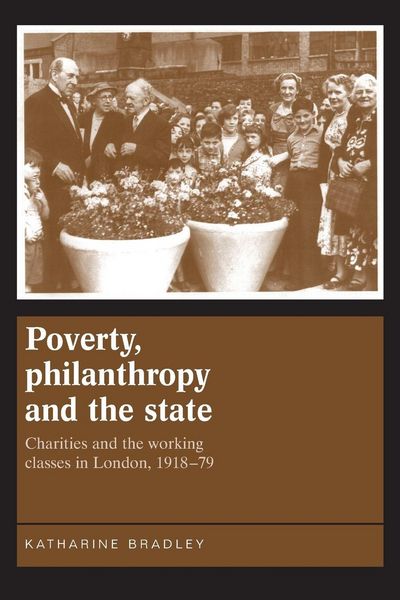
Poverty, philanthropy and the state Charities and the working classes in London, 1918-79
-
- Hardcover
- Taschenbuch ausgewählt
-
Sprache:Englisch
39,99 €
inkl. gesetzl. MwSt.,
Beschreibung
This book charts the growth of the university settlement movement, a fundamental influence in the shaping of the welfare state, from 1918 to Margaret Thatcher's election in 1979. It looks at the complex relationships between charities, the welfare state and individuals and the ways in which change was...
Produktdetails
| Einband |
Taschenbuch |
|---|---|
| Erscheinungsdatum |
01.07.2016 |
| Abbildungen |
Illustrations, black & white|Tables |
| Verlag | Ingram Publishers Services |
Ein neues Kapitel für Ihre Bücher
Ein neues Kapitel für Ihre Bücher
Schenken Sie Ihren alten Schätzen ein zweites Leben und erhalten Sie dafür eine Thalia Geschenkkarte.
Noch keine Bewertungen vorhanden
Verfassen Sie die erste Bewertung zu diesem Artikel
Helfen Sie anderen Kundinnen und Kunden durch Ihre Meinung.
Kurze Frage zu unserer Seite
Vielen Dank für Ihr Feedback
Wir nutzen Ihr Feedback, um unsere Produktseiten zu verbessern. Bitte haben Sie Verständnis, dass wir Ihnen keine Rückmeldung geben können. Falls Sie Kontakt mit uns aufnehmen möchten, können Sie sich aber gerne an unseren Kund*innenservice wenden.
zum Kundenservice