















































KI-Beratung Beta

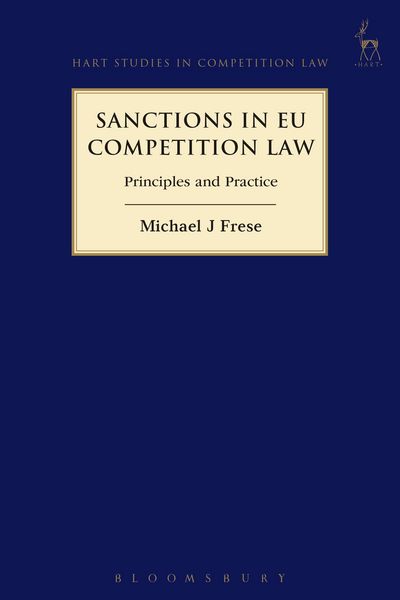
Produktbild: Sanctions in EU Competition Law

Sanctions in EU Competition Law

67,99 €

inkl. gesetzl. MwSt., Versandkostenfrei


Beschreibung

In the early decades of European integration the enforcement of EU competition law was highly centralised. Virtually all enforcement actions under Articles 101 and 102 TFEU were initiated by the European Commission. More recently the enforcement of EU competition law has become less centralised - many...

Beschreibung

In the early decades of European integration the enforcement of EU competition law was highly centralised. Virtually all enforcement actions under Articles 101 and 102 TFEU were initiated by the European Commission. More recently the enforcement of EU competition law has become less centralised - many would say even decentralised. In 2004, essentially in an effort to increase enforcement capacity in the wake of EU enlargement, the involvement of Member State competition authorities was significantly reinforced by national authorities being given power to pursue infringements of EU competition law largely on the basis of their domestic enforcement regimes. This combination of decentralisation and enforcement autonomy raises questions about the relationship between EU law and national law, as well as about the costs of enforcement. This new book links these questions by analysing how competences in the area of sanctions are distributed between EU and national law, and how this influences the costs of enforcement. The author's conclusions, which highlight the economic implications of the choices made by competition authorities, courts and legislators, will be of use to all the above in further developing EU competition policy. The PhD thesis on which this book is based was declared runner-up in the 2013 Concurrences Awards.

Produktdetails

Einband

Taschenbuch

Erscheinungsdatum

30.06.2016

Verlag Bloomsbury 3PL
Seitenzahl

314

Produktdetails

Einband

Taschenbuch

Erscheinungsdatum

30.06.2016

Verlag Bloomsbury 3PL
Seitenzahl

314

Maße (L/B/H)

23,4/15,6/1,7 cm

Gewicht

480 g

Sprache

Englisch

ISBN

978-1-5099-0703-8

Herstelleradresse

Libri GmbH
Europaallee 1
36244 Bad Hersfeld
DE

Email: gpsr@libri.de

Ein neues Kapitel für Ihre Bücher

Ein neues Kapitel für Ihre Bücher

Schenken Sie Ihren alten Schätzen ein zweites Leben und erhalten Sie dafür eine Thalia Geschenkkarte.

Jetzt verkaufen
Jetzt verkaufen

Noch keine Bewertungen vorhanden

Verfassen Sie die erste Bewertung zu diesem Artikel

Helfen Sie anderen Kundinnen und Kunden durch Ihre Meinung.

Kundinnen und Kunden meinen

Bewertungen (0)

Die Leseprobe wird geladen.
  • Produktbild: Sanctions in EU Competition Law
  • 1 General Introduction
    2 The Decentralisation of EU Competition Law 6
    2.1 Introduction
    2.2 Shared Administration
    2.3 Sanctioning Autonomy
    2.4 Cooperation and Coordination
    2.5 Conclusion
    3 The Economics of Decentralisation
    3.1 Introduction
    3.2 Economic Considerations in the Allocation of Competences
    3.3 Transaction Costs and Diseconomies of Scale
    3.4 Information Advantages
    3.5 Accommodating Domestic Preferences
    3.6 Regulatory Competition
    3.7 Regulatory Innovation
    3.8 Conclusion
    4 Uncovering EU Sanctioning Principles
    4.1 Introduction
    4.2 EU Principles in the National Legal Order
    4.3 Sanctioning Principles in Articles 101 and 102 TFEU
    4.4 Sanctioning Principles in the Free Movement Rights
    4.5 Sanctioning Principles in the Fundamental Rights
    4.6 Sanctioning Principles in the Duty of Sincere Cooperation
    4.7 Conclusion
    5 The Development of Domestic Sanctioning Powers
    5.1 Introduction
    5.2 Institutional Enforcement Frameworks
    5.3 Interim Measures
    5.4 Early Resolution Measures
    5.5 Declaratory Findings
    5.6 Reparatory Sanctions
    5.7 Pecuniary Sanctions
    5.8 Custodial Sanctions
    5.9 Disqualification Orders
    5.10 Conclusion
    6 Economies and Diseconomies in the Division of Sanctioning Competences
    6.1 Introduction
    6.2 Cost-Reducing Sanctioning Principles and Convergence Tendencies
    6.3 Domestic Preferences and the Efficient Use of Enforcement Expenditures
    6.4 Innovation through Decentralisation
    7 General Conclusions
    7.1 Sanctioning Principles, Convergence Tendencies and Enforcement Costs
    7.2 Reflections and Recommendations