















































KI-Beratung Beta

Gutscheinbedingungen

Gültig bis 11.11.2026 | Gültig für Spielzeug, Filme, Musik, Software, Games, Geschenke & Trends, Schreibwaren, Hörbücher und Hörbuch-Downloads (außer Abo & Shelfies), gebrauchte Bücher, nicht preisgebundene Bücher und Kalender | Einlösbar unter thalia.de und in der Thalia App | Click & Collect nur mit Online-Zahlung (Paypal/Kreditkarte) vorab | Einzelne Artikel können ausgeschlossen sein | Nicht kombinierbar mit anderen Gutscheinen oder Preisaktionen | Nur einmal pro Einkauf einlösbar | Gutschein wird auf max. 500€ Bestellwert angerechnet | Keine Barauszahlung | Digitale Hörbücher nur für Android  | Nicht gültig für preisgebundene Artikel (aufgrund der Buchpreisbindung sind Gutscheine nicht auf Bücher, eBooks, Presse einlösbar), tolino eReader & Zubehör, Abonnements & Flatrates, Geschenkkarten, Versandkosten und Services

  • Produktbild: EATING DISORDERS 2E P
  • Produktbild: EATING DISORDERS 2E P

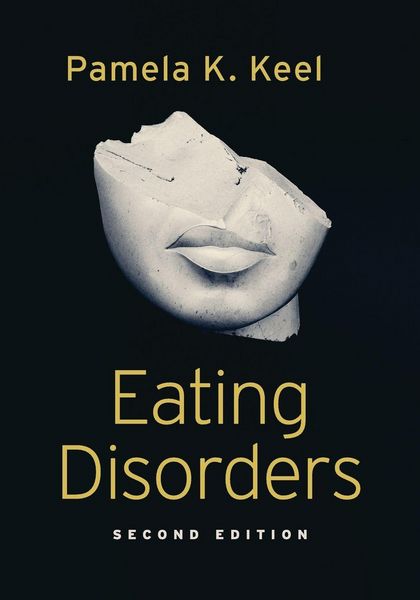
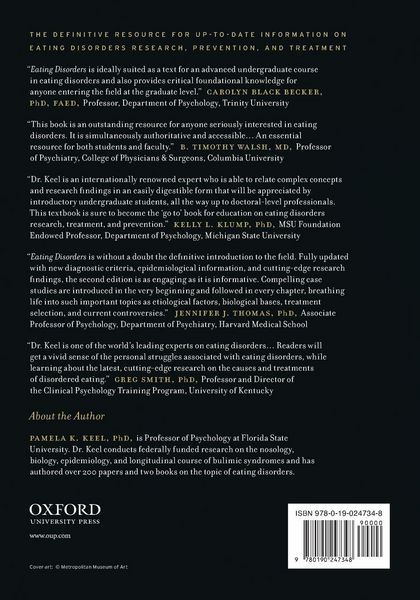
EATING DISORDERS 2E P

123,99 €

inkl. gesetzl. MwSt., Versandkostenfrei


Produktdetails

Einband

Taschenbuch

Erscheinungsdatum

31.10.2016

Verlag

Oxford University Press

Seitenzahl

282

Maße (L/B/H)

25,4/17,8/1,5 cm

Gewicht

536 g

Auflage

2., überarbeitete Auflage

Sprache

Englisch

ISBN

978-0-19-024734-8

Produktdetails

Einband

Taschenbuch

Erscheinungsdatum

31.10.2016

Verlag

Oxford University Press

Seitenzahl

282

Maße (L/B/H)

25,4/17,8/1,5 cm

Gewicht

536 g

Auflage

2., überarbeitete Auflage

Sprache

Englisch

ISBN

978-0-19-024734-8

Herstelleradresse

Libri GmbH
Europaallee 1
36244 Bad Hersfeld
DE

Email: gpsr@libri.de

Ein neues Kapitel für Ihre Bücher

Ein neues Kapitel für Ihre Bücher

Schenken Sie Ihren alten Schätzen ein zweites Leben und erhalten Sie dafür eine Thalia Geschenkkarte.

Jetzt verkaufen
Jetzt verkaufen

Noch keine Bewertungen vorhanden

Verfassen Sie die erste Bewertung zu diesem Artikel

Helfen Sie anderen Kundinnen und Kunden durch Ihre Meinung.

Kundinnen und Kunden meinen

Bewertungen (0)

Die Leseprobe wird geladen.
  • Produktbild: EATING DISORDERS 2E P
  • Produktbild: EATING DISORDERS 2E P
    • Chapter 1 Introduction: What Are Eating Disorders?
    • Anorexia Nervosa
    • Bulimia Nervosa
    • Binge Eating DisorderBinge Eating Disorder
    • Other Specified Feeding or Eating Disorder
    • Unspecified Feeding or Eating Disorder
    • Eating Disorders as a Continuum of Problems
    • Chapter 2 Related Conditions that are Not Eating Disorders
    • Pica
    • Rumination Disorder
    • Avoidant/Restrictive Food Intake Disorder
    • Obesity
    • Chapter 3 Who Suffers from Eating DisordersWWho Suffers from Eating Disorders?
    • Stereotype of Who Suffers from Eating Disorders
    • Eating Disorders and Gender
    • Eating Disorders and Race/Ethnicity
    • Eating Disorders in Non-Western Cultures
    • Eating Disorders over Time
    • Chapter 4 Finding the Causes of Eating Disorders: Going Beyond Descriptive Methods
    • Hypotheses
    • Longitudinal Studies
    • Experimental Research Studies
    • Naturalistic Investigations
    • Chapter 5 Body Image, Dieting, and Eating Disorders: Is the Media to Blame?
    • Cultural Ideal of Thinness
    • Why Does Thin = Good?
    • Societal Denigration of Overweight/Obesity
    • Body Image
    • Dieting
    • Chapter 6 Family and Peer Factors in the Development of Eating Pathology
    • Psychoanalytic Model of Family Influence
    • Psychodynamic Model of Family Influence
    • Family Systems Model of Family Influence
    • Social Learning Model of Eating Disorders
    • Peer Influences on Eating Pathology
    • Chapter 7 Psychological Factors in the Development of Eating Disorders: The Contributions of Personality and Cognitive-Affective Processes
    • Personality
    • Cognitive and Affective Processes
    • Chapter 8 Biological Bases, Correlates, and Consequences of Eating Disorders
    • Brain Function and Eating Disorders
    • Genetic Contributions to Eating Disorders
    • Physical Consequences of Eating Disorders
    • Chapter 9 Treatment
    • Treatment Use
    • Treatment Modalities
    • Psychotherapy Content and Theoretical Orientations
    • Nonpsychotherapy Interventions
    • Chapter 10 Prevention
    • Prevention Paradigms
    • Prevention Themes and Content
    • Implementing Prevention and Levels of Intervention
    • Chapter 11 Long-Term Course and Outcome
    • Anorexia Nervosa
    • Bulimia Nervosa
    • Binge-Eating Disorder
    • Purging Disorder
    • Comparison of DSM-5 Eating Disorders
    • Chapter 12 Conclusion
    • Case Studies Revisited
    • Future Directions
    • Glossary
    • References
    • About the Author
    • Name Index
    • Subject Index