















































KI-Beratung Beta

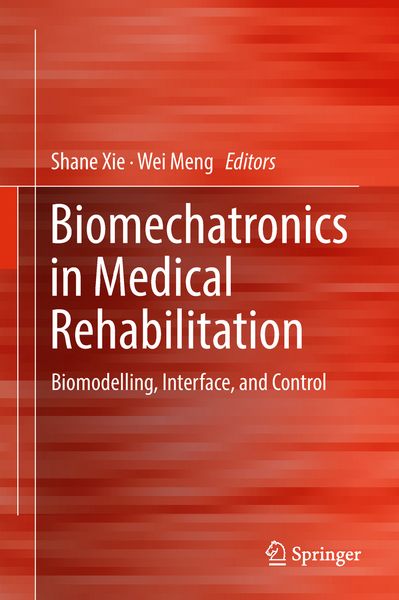
Produktbild: Biomechatronics in Medical Rehabilitation

Biomechatronics in Medical Rehabilitation Biomodelling, Interface, and Control

134,99 €

inkl. gesetzl. MwSt., Versandkostenfrei


Beschreibung

This book focuses on the key technologies in developing biomechatronic systems for medical rehabilitation purposes. It includes a detailed analysis of biosignal processing, biomechanics modelling, neural and muscular interfaces, artificial actuators, robot-assisted training, clinical setup/implementation...

Beschreibung

This book focuses on the key technologies in developing biomechatronic systems for medical rehabilitation purposes. It includes a detailed analysis of biosignal processing, biomechanics modelling, neural and muscular interfaces, artificial actuators, robot-assisted training, clinical setup/implementation and rehabilitation robot control.
Encompassing highly multidisciplinary themes in the engineering and medical fields, it presents researchers’ insights into the emerging technologies and developments that are being utilized in biomechatronics for medical purposes.
Presenting a detailed analysis of five key areas in rehabilitation robotics: (i) biosignal processing; (ii) biomechanics modelling; (iii) neural and muscular interfaces; (iv) artificial actuators and devices; and (v) the use of neurological and muscular interfaces in rehabilitation robots control, the book describes the design of biomechatronic systems, the methods and control systems used and the implementation and testing in order to show how they fulfil the needs of that specific area of rehabilitation. Providing a comprehensive overview of the background of biomechatronics and details of new advances in the field, it is especially useful for researchers, academics and graduates new to the field of biomechatronics engineering, and is also of interest to researchers and clinicians in the medical field who are not engineers.

Rezension

“The authors aims are to review their work in biomechatronics with regard to rehabilitation, to provide a book of interest to students and research in biomechatronics, and finally to introduce these methods to clinicians. … The authors target this book at students and researchers in biomechatronics as well as clinicians in research.” (Ronald J. Cotton, Doody's Book Reviews, January, 2018)

Portrait

At the University of Auckland we have 15 years of experience working in biomechatronics and rehabilitation engineering. This experience is in the development and testing of robotics for rehabilitation. Biomechatronic devices we have developed include, upper and lower limb, ankle, hand, finger, wrist as well as EEG and EMG interfaces. This has led to more than 160 journal papers and conference papers.

Produktdetails

Einband

Gebundene Ausgabe

Erscheinungsdatum

02.02.2017

Abbildungen

XVIII, 203 p. 107 illus., 93 illus. in color.

Herausgeber Shane (S.Q.) Xie + weitere

Produktdetails

Einband

Gebundene Ausgabe

Erscheinungsdatum

02.02.2017

Abbildungen

XVIII, 203 p. 107 illus., 93 illus. in color.

Herausgeber
Verlag Springer
Seitenzahl

203

Maße (L/B/H)

24,1/16/1,8 cm

Gewicht

454 g

Sprache

Englisch

ISBN

978-3-319-52883-0

Herstelleradresse

Springer-Verlag KG
Sachsenplatz 4-6
1201 Wien
AT

Email: ProductSafety@springernature.com

Ein neues Kapitel für Ihre Bücher

Ein neues Kapitel für Ihre Bücher

Schenken Sie Ihren alten Schätzen ein zweites Leben und erhalten Sie dafür eine Thalia Geschenkkarte.

Jetzt verkaufen
Jetzt verkaufen

Noch keine Bewertungen vorhanden

Verfassen Sie die erste Bewertung zu diesem Artikel

Helfen Sie anderen Kundinnen und Kunden durch Ihre Meinung.

Kundinnen und Kunden meinen

Bewertungen (0)

  • Produktbild: Biomechatronics in Medical Rehabilitation
  • Introduction.- State of the Art.- Signal Processing Methods for SSVEP-based BCIs.- SSVEP-Based BCI for Lower Limb Rehabilitation.- A Hybrid BCI for Gaming.- EMG-Driven Physiological Model for Upper Limb.- Exoskeleton Control Based on Neural Interface.- Muscle Force Estimation Model for Gait Rehabilitation.- Neuromuscular Model for Gait Rehabilitation.- Conclusions and Future Prospects