















































KI-Beratung Beta

Gutscheinbedingungen

Gültig bis 30.11.2026 | Gültig für nicht preisgebundene fremdsprachige Bücher | Einzelne Artikel können ausgeschlossen sein | Online auf thalia.de und in der Thalia App einlösbar | Click & Collect nur mit Online-Zahlung (Paypal/Kreditkarte) vorab | Nicht kombinierbar mit anderen Gutscheinen oder Preisaktionen | Nur einmal pro Einkauf einlösbar | Gutschein wird auf max. 500€ Bestellwert angerechnet | Keine Barauszahlung | Nicht gültig für Versandkosten und Services

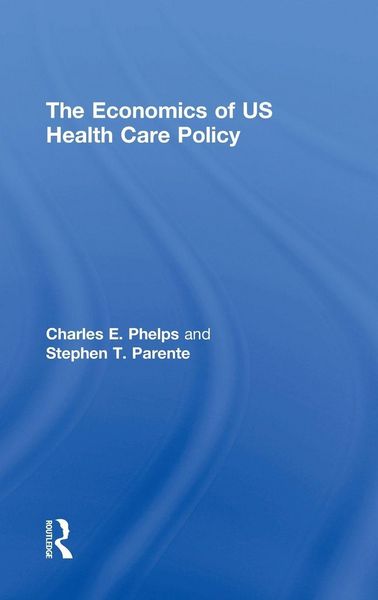
Produktbild: The Economics of Us Health Care Policy

The Economics of Us Health Care Policy

241,99 €

inkl. gesetzl. MwSt., Versandkostenfrei


Beschreibung

In this book, Phelps and Parente explore the US health care system and set out the case for its reform. They trace the foundations of today's system, and show how distortions in the incentives facing participants in the health care market could be corrected in order to achieve lower costs, a higher quality...

Beschreibung

In this book, Phelps and Parente explore the US health care system and set out the case for its reform. They trace the foundations of today's system, and show how distortions in the incentives facing participants in the health care market could be corrected in order to achieve lower costs, a higher quality of care, a higher level of patient safety, and a more efficient allocation of health care resources.

Phelps and Parente propose novel yet economically robust changes to US tax law affecting health insurance coverage and related issues. They also discuss a series of specific improvements to Medicare and Medicaid, and assess potential innovations that affect all of health care, including chronic disease management, fraud and abuse detection, information technology, and other key issues.

The Economics of US Health Care Policy will be illuminating reading for anyone with an interest in health policy, and will be a valuable supplementary text for courses in health economics and health policy, including for students without advanced training in economics.

Produktdetails

Einband

Gebundene Ausgabe

Erscheinungsdatum

17.11.2017

Abbildungen

18 SW-Abb., 1 SW-Fotos, 17 SW-Zeichn., 9 Tabellen

Verlag Taylor & Francis

Produktdetails

Einband

Gebundene Ausgabe

Erscheinungsdatum

17.11.2017

Abbildungen

18 SW-Abb., 1 SW-Fotos, 17 SW-Zeichn., 9 Tabellen

Verlag Taylor & Francis
Seitenzahl

236

Maße (L/B/H)

23,9/16/2 cm

Gewicht

517 g

Sprache

Englisch

ISBN

978-0-415-78431-3

Herstelleradresse

Libri GmbH
Europaallee 1
36244 Bad Hersfeld
DE

Email: gpsr@libri.de

Ein neues Kapitel für Ihre Bücher

Ein neues Kapitel für Ihre Bücher

Schenken Sie Ihren alten Schätzen ein zweites Leben und erhalten Sie dafür eine Thalia Geschenkkarte.

Jetzt verkaufen
Jetzt verkaufen

Noch keine Bewertungen vorhanden

Verfassen Sie die erste Bewertung zu diesem Artikel

Helfen Sie anderen Kundinnen und Kunden durch Ihre Meinung.

Kundinnen und Kunden meinen

Bewertungen (0)

Die Leseprobe wird geladen.
  • Produktbild: The Economics of Us Health Care Policy
  • PART 1: THE MARKET FOR PRIVATE HEALTH INSURANCE

    Chapter 1: The Pivotal Role of Employer-Paid Health Insurance

    Chapter 2: An Alternate Universe: Life Without the Tax Subsidy

    Chapter 3: How To Get There From Here and Also Grow the Economy

    Chapter 4: Who Might Support or Oppose Our Proposal?

    Chapter 5: What Else Needs Fixing?

    Chapter 6: Pre-Existing Conditions and the Individual Mandate

    PART II - MEDICARE AND MEDICAID

    Chapter 7: Understanding Medicare and Medicaid

    Chapter 8: Rationalizing Medicare and Medicaid

    Chapter 9: Further Discussion of Our Medicare and Medicaid Proposals

    PART III - THINGS THAT AFFECT EVERYBODY

    Chapter 10: Chronic Conditions

    Chapter 11: Bringing Health Care Waste, Fraud, and Abuse Technology into the 21st Century

    Chapter 12: Towards a Functional Electronic Health Record-Soon

    Chapter 13: Maximizing the Promise of Accountable Care Organizations

    Chapter 14: Getting Rid of Overstated Medical Bills

    Chapter 15: Concluding Comments