















































KI-Beratung Beta

Gutscheinbedingungen

Gültig bis 11.11.2026 | Gültig für Spielzeug, Filme, Musik, Software, Games, Geschenke & Trends, Schreibwaren, Hörbücher und Hörbuch-Downloads (außer Abo & Shelfies), gebrauchte Bücher, nicht preisgebundene Bücher und Kalender | Einlösbar unter thalia.de und in der Thalia App | Click & Collect nur mit Online-Zahlung (Paypal/Kreditkarte) vorab | Einzelne Artikel können ausgeschlossen sein | Nicht kombinierbar mit anderen Gutscheinen oder Preisaktionen | Nur einmal pro Einkauf einlösbar | Gutschein wird auf max. 500€ Bestellwert angerechnet | Keine Barauszahlung | Digitale Hörbücher nur für Android  | Nicht gültig für preisgebundene Artikel (aufgrund der Buchpreisbindung sind Gutscheine nicht auf Bücher, eBooks, Presse einlösbar), tolino eReader & Zubehör, Abonnements & Flatrates, Geschenkkarten, Versandkosten und Services

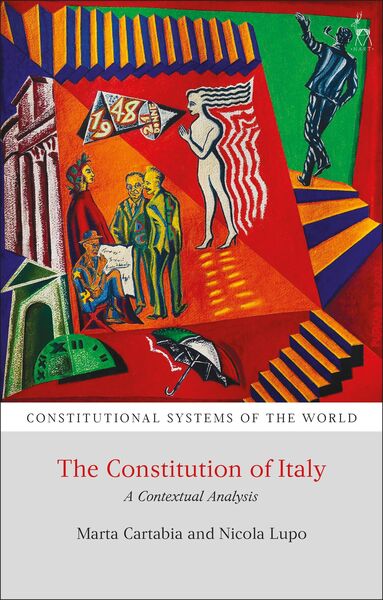
Produktbild: The Constitution of Italy

The Constitution of Italy A Contextual Analysis

47,99 €

inkl. gesetzl. MwSt., Versandkostenfrei


Beschreibung

Produktdetails

Einband

Taschenbuch

Erscheinungsdatum

13.10.2022

Herausgeber

Peter Leyland + weitere

Verlag

Hart Publishing

Seitenzahl

288

Maße (L/B/H)

21,7/14/2,2 cm

Gewicht

372 g

Sprache

Englisch

ISBN

978-1-5099-5786-6

Beschreibung

Produktdetails

Einband

Taschenbuch

Erscheinungsdatum

13.10.2022

Herausgeber

Verlag

Hart Publishing

Seitenzahl

288

Maße (L/B/H)

21,7/14/2,2 cm

Gewicht

372 g

Sprache

Englisch

ISBN

978-1-5099-5786-6

Herstelleradresse

Libri GmbH
Europaallee 1
36244 Bad Hersfeld
DE

Email: gpsr@libri.de

Ein neues Kapitel für Ihre Bücher

Ein neues Kapitel für Ihre Bücher

Schenken Sie Ihren alten Schätzen ein zweites Leben und erhalten Sie dafür eine Thalia Geschenkkarte.

Jetzt verkaufen
Jetzt verkaufen

Noch keine Bewertungen vorhanden

Verfassen Sie die erste Bewertung zu diesem Artikel

Helfen Sie anderen Kundinnen und Kunden durch Ihre Meinung.

Kundinnen und Kunden meinen

Bewertungen (0)

Die Leseprobe wird geladen.
  • Produktbild: The Constitution of Italy
  • 1. The Making of the Italian Constitution and its Evolution
    I. Introduction
    II. The Albertine Statute
    III. The Fascist Regime, the Second World War and the Transition to the Republic (1922-1945)
    IV. The Constituent Assembly (1946-1948)
    V. The Rigidity of the Republican Constitution
    VI. Procedures for and Limits on Constitutional Amendments
    VII. The Most Important Constitutional Amendments
    VIII. The Evolution of the Italian Republican Constitution
    IX. Conclusion
    Further Reading
    2. The Italian Constitution within the 'Composite' European Constitution
    I. Introduction
    II. Openness to the International Order and its Foundations
    III. The Constitutional Principles on International Law
    IV. The 'European Journey' of the Constitutional Court
    V. The 'Counter-limits' Doctrine
    VI. The European Convention of Human Rights in the Italian Legal System
    VII. Constitutional Rules and Practice of Implementing EU Law
    VIII. Conclusion
    Further Reading
    3. Popular Sovereignty and Separation of Powers
    I. Introduction
    II. The Democratic Principle in the Italian Constitution: The Right to Vote and to be Elected
    III. Direct Democracy: The Abrogative Referendum and its Different Usages
    IV. Representative Democracy: The Electoral System and its Evolution
    V. Conclusion
    Further Reading
    4. Parliament
    I. Introduction
    II. The Italian Parliament in the Constitution
    III. A Symmetrical Bicameralism
    IV. The Internal Organisation of the Chamber and the Senate
    V. Privileges and Immunities of MPs
    VI. Parliamentary Rules of Procedure
    VII. The Legislative Process 2
    VIII. The Budgetary Process
    IX. The Oversight Function
    X. Conclusion
    Further Reading
    5. The Government: Between Politics and Administration
    I. Introduction
    II. The Structure of the Government
    III. The Confidence Relationship with the Two Houses of Parliament
    IV. The Primary and Secondary Normative Powers of the Government
    V. The Distinction between Politics and Administration
    VI. The Constitutional Principles on Public Administration
    VII. The Auxiliary Bodies and the Independent Authorities
    VIII. Conclusion
    Further Reading
    6. The President of the Republic
    I. Introduction
    II. Election, Term of Office and Substitution
    III. The Responsibility of the President of the Republic
    IV. The Counter-signature and the Classification of the Acts of the President of the Republic
    V. The Shaping of the Role of the President of the Republic Throughout the Constitutional Experience
    VI. Conclusion
    Further Reading
    7. Regional and Local Government
    I. Introduction
    II. Origins and Evolution of the 'Republic of Autonomies'
    III. The Constitutional Framework and its Delayed Implementation
    IV. Special and Ordinary Regions
    V. The Direct Election of the Presidents of the Regions and Statutory Autonomy
    VI. The Distribution of Legislative Competences between the State and Regions
    VII. Administrative Autonomy and the Principles of Subsidiarity and Loyal Cooperation
    VIII. Financial Autonomy
    IX. Local Authorities
    X. Conclusion
    Further Reading
    8. The Judiciary
    I. Introduction
    II. The Evolution of the Judicial Function
    III. The Separation of Powers and Judicial Independence
    IV. The Organisation of the Judiciary
    V. Judicial Responsibility
    VI. Conclusion
    Further Reading
    9. The Constitutional Court
    I. Introduction
    II. Historical Background
    III. The European Model of Constitutional Adjudication
    IV. The Constitutional Court: Composition and Functions
    V. The Court's Delayed Establishment and First Years of Activity: Reviewing Fascist Legislation
    VI. A Variety of Remedies
    VII. The Incidental Procedure and the Relationship with Ordinary Courts
    VIII. The Constitutional Court and European Courts
    IX. The Relational Character of Italian Constitutional Adjudication and Internal Collegiality
    X. Conclusion
    Further Reading
    10. Protection of Rights
    I. Introduction
    II. The Evolution of Constitutionalism and the 'Age of Rights'
    III. Inviolable Rights
    IV. The Italian Approach to Fundamental Rights: Personalism, Pluralism and Solidarity
    V. Codified Rights and New Rights
    VI. Limiting Rights
    VII. Judicial and Non-judicial Safeguards
    VIII. Key Rights
    IX. Conclusion
    Further Reading