
















































KI-Beratung Beta

Gutscheinbedingungen

Gültig bis 30.11.2026 | Gültig für nicht preisgebundene fremdsprachige Bücher | Einzelne Artikel können ausgeschlossen sein | Online auf thalia.de und in der Thalia App einlösbar | Click & Collect nur mit Online-Zahlung (Paypal/Kreditkarte) vorab | Nicht kombinierbar mit anderen Gutscheinen oder Preisaktionen | Nur einmal pro Einkauf einlösbar | Gutschein wird auf max. 500€ Bestellwert angerechnet | Keine Barauszahlung | Nicht gültig für Versandkosten und Services

  • Produktbild: America's National Debt
  • Produktbild: America's National Debt

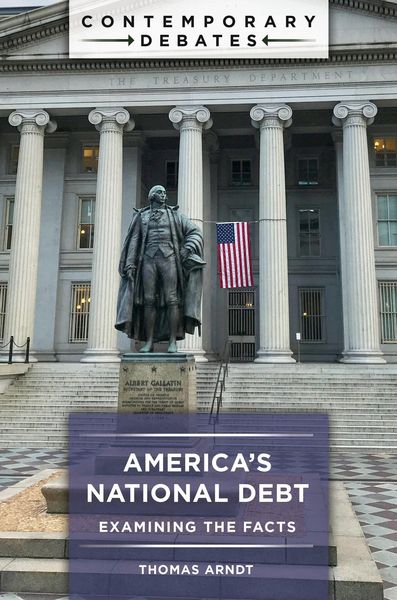
America's National Debt Examining the Facts

89,99 €

inkl. gesetzl. MwSt., Versandkostenfrei


Beschreibung

This vital resource is devoted to providing nonpartisan, objective analysis of the national debt, including leading drivers of the debt, the budgetary process, and claims and counter-claims about national debt benefits and drawbacks. This indispensable resource provides readers with a clear and unbiased...

Beschreibung

This vital resource is devoted to providing nonpartisan, objective analysis of the national debt, including leading drivers of the debt, the budgetary process, and claims and counter-claims about national debt benefits and drawbacks. This indispensable resource provides readers with a clear and unbiased understanding of the national debt and its relationship to the U.S. economic system. The book addresses the foundations and major elements of America's budgetary process, details how government taxing and spending priorities impact the nation's debt, explains the difference between deficits and debt, and summarizes dominant conservative and liberal economic perspectives on the national debt and related fiscal issues. Utilizing authoritative resources and accessible, lay-friendly terminology, this book punctures popular myths and misconceptions about the national debt. But it also shines a light on the numerous economic, social, and political drivers of our national conversation about the debt-and the ways in which the national debt is likely to influence the lives of future generations of Americans. At a time when American political discourse often descends into fact-free zones of wishful thinking and deceptive claims, this book provides information for readers to truly understand the national debt.

Produktdetails

Einband

Gebundene Ausgabe

Erscheinungsdatum

31.10.2022

Verlag Bloomsbury Academic
Seitenzahl

208

Produktdetails

Einband

Gebundene Ausgabe

Erscheinungsdatum

31.10.2022

Verlag Bloomsbury Academic
Seitenzahl

208

Maße (L/B/H)

24/16,1/1,6 cm

Gewicht

431 g

Sprache

Englisch

ISBN

978-1-4408-7699-8

Herstelleradresse

Libri GmbH
Europaallee 1
36244 Bad Hersfeld
DE

Email: gpsr@libri.de

Ein neues Kapitel für Ihre Bücher

Ein neues Kapitel für Ihre Bücher

Schenken Sie Ihren alten Schätzen ein zweites Leben und erhalten Sie dafür eine Thalia Geschenkkarte.

Jetzt verkaufen
Jetzt verkaufen

Noch keine Bewertungen vorhanden

Verfassen Sie die erste Bewertung zu diesem Artikel

Helfen Sie anderen Kundinnen und Kunden durch Ihre Meinung.

Kundinnen und Kunden meinen

Bewertungen (0)

  • Produktbild: America's National Debt
  • Produktbild: America's National Debt
  • How to Use This Book

    1. America's National Debt throughout History
    Q1: Has the U.S. government always accumulated national debt?
    Q2: What has caused the national debt to rise so significantly in recent decades?
    Q3: Should Americans be concerned about the size of the national debt?
    Q4: What are the differences between deficits and debt?
    Q5: Why has the debt issue faded from news headlines and public attention in recent years?

    2. Thinking Critically about Debt
    Q6: How does the government actually borrow money and who does it owe?
    Q7: Is there anything good about deficit spending?
    Q8: How much of the U.S. government's spending is truly wasteful?
    Q9: Can the United States still consider itself the richest country in the world?

    3. Congress and the Power of the Purse
    Q10: Who has the power to decide how the public's tax dollars are spent?
    Q11: What are the biggest line items in the budget that Congress spends its money on?
    Q12: What is the debt ceiling and how often does it need to be raised?
    Q13: What are the roles of congressional committees, such as Ways and Means, Finance, Budget, and Appropriations?
    Q14: What are earmarks and how do they contribute to larger deficits?
    Q15: What is the significance of a "cbo score"?

    4. Taxing, Spending, and Debt as Public Policy Issues
    Q16: Why is there such a sharp clash of ideology when it comes to financial issues managed by Congress?
    Q17: How do politicians argue the so-called guns versus butter debate?
    Q18: How do tax increases and tax cuts affect the national debt?
    Q19: How much of the government's spending is secret and kept hidden from the public?
    Q20: Is Social Security going bankrupt and will it be viable for future generations?

    5. Government Shutdowns
    Q21: What is the process for reaching a budget deal between Congress and the president?
    Q22: How frequently have government shutdowns occurred?
    Q23: What happens to government services when there is a shutdown?
    Q24: How does partisan polarization over the debt issue affect the chances of a government shutdown?

    6. The Financial Crisis and Austerity Measures
    Q25: How did the 2007-08 financial crisis impact the federal government's approach to budgeting and managing the debt?
    Q26: Did the tarp bailout succeed in preventing an economic collapse?
    Q27: How did the tea party movement capitalize on the perception that the government spends too much money?
    Q28: What is sequestration and how did it impact the national debt issue?

    7. The Implications of Debt
    Q29: How much interest does the United States have to pay on the national debt?
    Q30: How does the national debt affect the economy, including things such as interest rates, inflation, and the stock market?
    Q31: Does a ballooning national debt compromise U.S. national security interests, especially if large sums are owed to China?
    Q32: Can lenders simply call in the debts owed to them by the U.S. government at a moment's notice?

    8. Reforms and the Landscape Ahead
    Q33: Will the national debt ever get paid off by future generations?
    Q34: What would be the result of the United States defaulting on its debt repayment obligations?
    Q35: What is the leading justification for a proposed balanced budget amendment?
    Q36: What other options for reducing the national debt have been considered?

    Index