















































KI-Beratung Beta

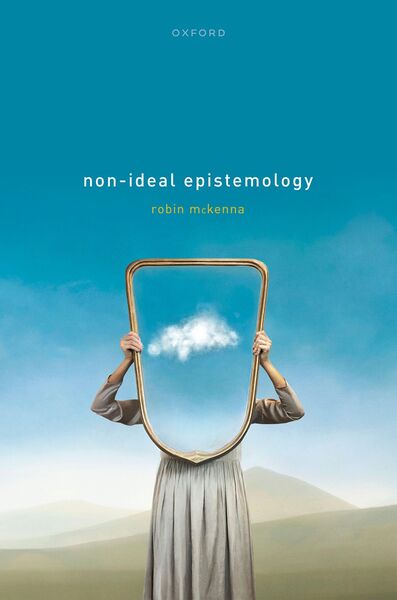
Produktbild: Non-Ideal Epistemology

Non-Ideal Epistemology

63,99 €

inkl. gesetzl. MwSt.

Beschreibung

Epistemologists often work with idealized pictures of what inquirers are like, how they interact with each other, and the social institutions and environment in which they do the interacting. These idealizations might be appropriate for the more foundational issues in epistemology, such as the theory...

Beschreibung

Epistemologists often work with idealized pictures of what inquirers are like, how they interact with each other, and the social institutions and environment in which they do the interacting. These idealizations might be appropriate for the more foundational issues in epistemology, such as the theory of knowledge. However they become problematic when epistemologists address applied and practical topics, such as public ignorance about important political and scientific issues, or our obligations and responsibilities as inquirers. A solution to a problem like public ignorance that might work in an ideal world could be disastrous in the real world. Ways of interacting that would yield epistemic benefits in an epistemically just world might not be so beneficial in an epistemically unjust world. Author Robin McKenna argues that, to avoid these problems, we need to make space for non-ideal epistemology-a way of doing epistemology that eschews the idealizations typical in much contemporary epistemology. However Non-Ideal Epistemology is not just an exercise in philosophical methodology. McKenna also develops distinctive approaches to a range of important topics in applied and social epistemology, such as what to do about science denial, whether we should try to be intellectually autonomous, and what our obligations are to other inquirers. The result is an illustration of why we need non-ideal epistemology and what it can do for us.

Produktdetails

Format

PDF

Kopierschutz

Ja

Family Sharing

Nein

Text-to-Speech

Nein

Produktdetails

Format

PDF

Format

eBooks im PDF-Format haben eine festgelegte Seitengröße und eignen sich daher nur bedingt zum Lesen auf einem tolino eReader oder Smartphone. Für den vollen Lesegenuss empfehlen wir Ihnen bei PDF-eBooks die Verwendung eines Tablets oder Computers.

Kopierschutz

Ja

Kopierschutz

Zum Lesen dieses eBooks auf Geräten der tolino Familie sowie auf sonstigen eReadern und am PC benötigen Sie eine ByteBook-ID. Weitere Hinweise zum Lesen von kopiergeschützten eBooks finden Sie unter Hilfe/Downloads.

Family Sharing

Nein

Family Sharing

Mit Family Sharing können Sie eBooks innerhalb Ihrer Familie (max. sechs Mitglieder im gleichen Haushalt) teilen. Sie entscheiden selbst, welches Buch Sie mit welchem Familienmitglied teilen möchten. Auch das parallele Lesen durch verschiedene Familienmitglieder ist durch Family Sharing möglich. Um eBooks zu teilen oder geteilt zu bekommen, muss jedes Familienmitglied ein Konto bei Thalia oder einem anderen tolino-Buchhändler haben. Weitere Informationen finden Sie unter Hilfe/Family-Sharing.

Text-to-Speech

Nein

Text-to-Speech

Bedeutet Ihnen Stimme mehr als Text? Mit der Funktion Text-to-Speech können Sie sich im tolino webReader und in der aktuellen Thalia – Lesen & Hören App das eBook vorlesen lassen. Weitere Informationen finden Sie unter Hilfe/Text-to-Speech.

Erscheinungsdatum

03.04.2023

Verlag Oxford University Press
Seitenzahl

240 (Printausgabe)

Dateigröße

1235 KB

Sprache

Englisch

EAN

9780192888839

Barrierefreiheit
  • keine Information zur Barrierefreiheit bekannt

Noch keine Bewertungen vorhanden

Verfassen Sie die erste Bewertung zu diesem Artikel

Helfen Sie anderen Kundinnen und Kunden durch Ihre Meinung.

Kundinnen und Kunden meinen

Bewertungen (0)

Die Leseprobe wird geladen.
  • Produktbild: Non-Ideal Epistemology