















































KI-Beratung Beta

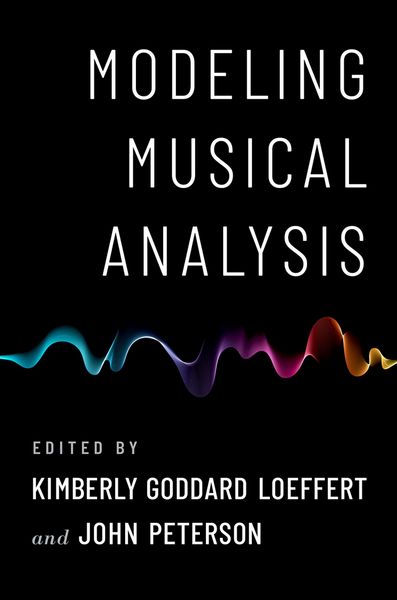
Produktbild: Modeling Musical Analysis

Modeling Musical Analysis

38,99 €

inkl. gesetzl. MwSt., Versandkostenfrei


Produktdetails

Einband

Taschenbuch

Erscheinungsdatum

20.05.2025

Abbildungen

220 b&w illustrations

Herausgeber

Kim Loeffert + weitere

Verlag

Oxford Academic

Seitenzahl

360

Maße (L/B/H)

23,4/15,3/2,2 cm

Gewicht

514 g

Sprache

Englisch

ISBN

978-0-19-767848-0

Produktdetails

Einband

Taschenbuch

Erscheinungsdatum

20.05.2025

Abbildungen

220 b&w illustrations

Herausgeber

Verlag

Oxford Academic

Seitenzahl

360

Maße (L/B/H)

23,4/15,3/2,2 cm

Gewicht

514 g

Sprache

Englisch

ISBN

978-0-19-767848-0

Herstelleradresse

Libri GmbH
Europaallee 1
36244 Bad Hersfeld
DE

Email: gpsr@libri.de

Ein neues Kapitel für Ihre Bücher

Ein neues Kapitel für Ihre Bücher

Schenken Sie Ihren alten Schätzen ein zweites Leben und erhalten Sie dafür eine Thalia Geschenkkarte.

Jetzt verkaufen
Jetzt verkaufen

Noch keine Bewertungen vorhanden

Verfassen Sie die erste Bewertung zu diesem Artikel

Helfen Sie anderen Kundinnen und Kunden durch Ihre Meinung.

Kundinnen und Kunden meinen

Bewertungen (0)

Die Leseprobe wird geladen.
  • Produktbild: Modeling Musical Analysis

    • Tala as Phrase Meter


    • Somangshu Mukherji


    • Prolongation in Turkish Classical Music


    • Adem Merter Birson


    • The Role of A-flat in Beethoven's Funeral March from the Eroica Symphony


    • Jan Miyake


    • Locating the "Sonata" in Fanny Hensel's Sonata o Fantasia


    • Catrina Kim


    • "A Blueprint for Dancers:" the Fiery and Unforgettable Measures of Rosendo Mendizábal's "El Entrerriano"


    • John Turci-Escobar


    • Comparing the Choreomusical Styles of Marius Petipa and George Balanchine in the Berceuse of Harlequinade


    • Kara Yoo Leaman


    • Analyzing Verismo Opera: "Vissi d'arte" ("I lived on art") from Puccini's Tosca, Act 2


    • Ji Yeon Lee


    • Yamada Kosaku's Inno Meiji: A Portrait of Modern Optimism


    • Liam Hynes-Tawa


    • A Rhetorical Strategy to Subvert Artistic Suppression: A "March" That Is Not a 'March' in R. Nathaniel Dett's The Ordering of Moses (1937)


    • Jeannie Ma. Guerrero


    • Metrical Dissonance and Phrase Grouping in HWANG Yau-Tai's Oblivion


    • Joseph Chi-Sing Siu


    • Reminiscences of the Past and Hybrid Traditions in Yoshinao Nakada's Art Songs


    • Tomoko Deguchi


    • Malambo and Motive in The Second Movement of Ginastera's Sonata para piano


    • David Castro


    • 'That Word in My Bible': Listening Critically to the Louvin Brothers' 'Broad Minded'


    • Sumanth Gopinath


    • Writing with Cathy Berberian's Performance of Sequenza III


    • Vivian Luong


    • The Restorative Obsession of Shostakovich's Violin Concerto No. 2


    • Táhirih Motazedian


    • Curious Words and Exaggerated Singing-Humor and Satire in Musicals


    • Wing Lau


    • Jesus Woodlaají Sin: Translating Singable Navajo Hymns


    • Renata Yazzie


    • Motivic development and transformation in Toru Takemitsu's Itinerant (1989)


    • Robert Hasegawa


    • Loco Vocable: Semantic Satiation in "Aria Agraria" by Les Luthiers


    • Fernando Benadon


    • Sonic Imagery of Chen Yi's Bright Moonlight


    • Nancy Yunhwa Rao


    • The Duality of Drums: Exploring Timpani's Melodic and Percussive Potential in Rodis's Colossus


    • Jose M. Garza, Jr.


    • The Musical Language of Freedom and Oppression in Richard Danielpour and Toni Morrison's Margaret Garner


    • Andrew Pau


    • Celebrating the Underdog: Rhythm and Meter in Pink's "Raise Your Glass"


    • John Peterson


    • Storytelling and Meter in clipping.'s "story 2"


    • Hanisha Kulothparan


    • The Spiritual Pastoral in The Kansas Rapture for Saxophone Quartet by (Farhad) Forrest Pierce


    • Kimberly Goddard Loeffert


    • Melodic Refusal and Racialized Anxiety in Mitski's "Your Best American Girl"


    • Toru Momii


    • Harmonizing Uncertainty: Ambiguous Tonicizations in The Music of Summer Walker


    • Richard Desinord


    • Texture and Timing in the Score-Stop


    • Gerardo Lopez