















































KI-Beratung Beta

Gutscheinbedingungen

Gültig bis 11.11.2026 | Gültig für Spielzeug, Filme, Musik, Software, Games, Geschenke & Trends, Schreibwaren, Hörbücher und Hörbuch-Downloads (außer Abo & Shelfies), gebrauchte Bücher, nicht preisgebundene Bücher und Kalender | Einlösbar unter thalia.de und in der Thalia App | Click & Collect nur mit Online-Zahlung (Paypal/Kreditkarte) vorab | Einzelne Artikel können ausgeschlossen sein | Nicht kombinierbar mit anderen Gutscheinen oder Preisaktionen | Nur einmal pro Einkauf einlösbar | Gutschein wird auf max. 500€ Bestellwert angerechnet | Keine Barauszahlung | Digitale Hörbücher nur für Android  | Nicht gültig für preisgebundene Artikel (aufgrund der Buchpreisbindung sind Gutscheine nicht auf Bücher, eBooks, Presse einlösbar), tolino eReader & Zubehör, Abonnements & Flatrates, Geschenkkarten, Versandkosten und Services

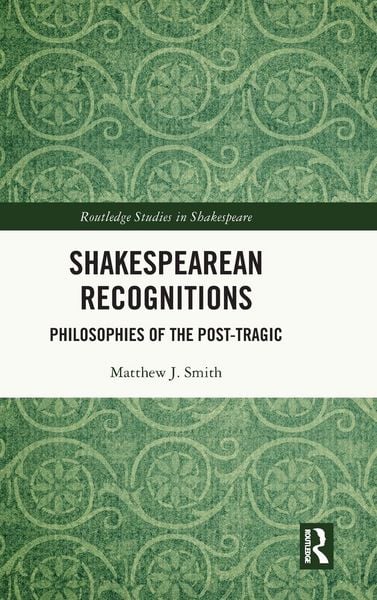
Produktbild: Shakespearean Recognitions
Vorbesteller Neu

Shakespearean Recognitions Philosophies of the Post-Tragic

219,99 €

inkl. gesetzl. MwSt., Versandkostenfrei


Beschreibung

Shakespearean Recognitions: Philosophies of the Post-Tragic explores Shakespeare's unique contribution to the history of recognition as both a narrative trope and a moral event. Recognition, central to classical anagnorisis and modern moral philosophy, also has deep roots in medieval Christian devotion,...

Beschreibung

Shakespearean Recognitions: Philosophies of the Post-Tragic explores Shakespeare's unique contribution to the history of recognition as both a narrative trope and a moral event. Recognition, central to classical anagnorisis and modern moral philosophy, also has deep roots in medieval Christian devotion, where salvation often hinged on reciprocal recognition with God. Shakespeare inherited this "medieval theater of recognition," a cultural and dramaturgical framework that infused classical discovery scenes with new spiritual and social dimensions. This book argues that Shakespeare's plays dramatize the aporia of mutual recognition-a moment of moral reckoning that resonates across classical poetics, medieval devotion, and modern philosophy. Scenes of reunion, discovery, and loss in Shakespeare's works are not merely poetic devices but sites of profound moral and philosophical inquiry. By engaging with thinkers like Hobbes, Hegel, Levinas, and Cavell, the book demonstrates how Shakespeare's recognition scenes interrogate freedom, forgiveness, and the struggle for moral clarity. Shakespearean Recognitions bridges the gap between poetic and philosophical theories of recognition, showing how early modern theater transformed classical anagnorisis into a powerful exploration of human freedom and moral responsibility. This study reveals Shakespeare's enduring relevance to debates about identity, morality, and the human condition.

Produktdetails

Einband

Gebundene Ausgabe

Erscheinungsdatum

13.11.2026

Verlag Taylor and Francis
Seitenzahl

268

Produktdetails

Einband

Gebundene Ausgabe

Erscheinungsdatum

13.11.2026

Verlag Taylor and Francis
Seitenzahl

268

Maße (L/B)

22,9/15,2 cm

Sprache

Englisch

ISBN

978-1-04-133781-2

Herstelleradresse

Libri GmbH
Europaallee 1
36244 Bad Hersfeld
DE

Email: gpsr@libri.de

Ein neues Kapitel für Ihre Bücher

Ein neues Kapitel für Ihre Bücher

Schenken Sie Ihren alten Schätzen ein zweites Leben und erhalten Sie dafür eine Thalia Geschenkkarte.

Jetzt verkaufen
Jetzt verkaufen

Noch keine Bewertungen vorhanden

Verfassen Sie die erste Bewertung zu diesem Artikel

Helfen Sie anderen Kundinnen und Kunden durch Ihre Meinung.

Kundinnen und Kunden meinen

Bewertungen (0)

  • Produktbild: Shakespearean Recognitions
  • Introduction

    PART I: THE MEDIEVAL THEATER OF RECOGNITION

    Chapter 1. Shakespeare's Romances and the Elevation of God

    Chapter 2. Recognition as Blessing in Post-Resurrection Drama and The Winter's Tale

    PART II: AN EARLY MODERN POETICS OF RECOGNITION

    Chapter 3. The Course of Recognition in Cymbeline

    Chapter 4. Clowning with Tragedy in Romeo and Juliet

    PART III: RECOGNITION IN THE SPIRIT OF THE FESTIVE

    Chapter 5. Misrecognition: Shakespeare's Undead Bodies

    Chapter 6. Reconciling The Tempest

    Afterword