















































KI-Beratung Beta

Gutscheinbedingungen

Gültig bis 30.11.2026 | Gültig für nicht preisgebundene fremdsprachige Bücher | Einzelne Artikel können ausgeschlossen sein | Online auf thalia.de und in der Thalia App einlösbar | Click & Collect nur mit Online-Zahlung (Paypal/Kreditkarte) vorab | Nicht kombinierbar mit anderen Gutscheinen oder Preisaktionen | Nur einmal pro Einkauf einlösbar | Gutschein wird auf max. 500€ Bestellwert angerechnet | Keine Barauszahlung | Nicht gültig für Versandkosten und Services

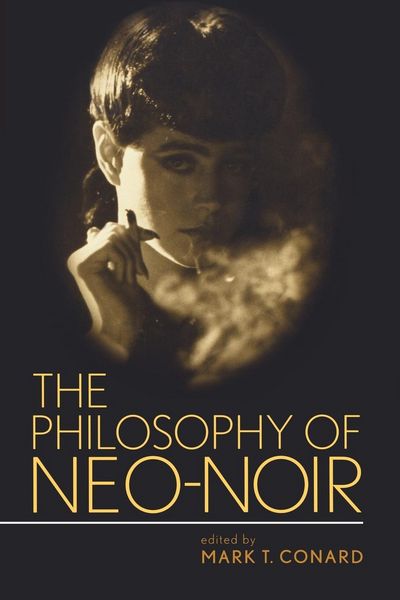
Produktbild: The Philosophy of Neo-Noir

The Philosophy of Neo-Noir

27,99 €

inkl. gesetzl. MwSt., Versandkostenfrei


Beschreibung

Film noir is a classic genre characterized by visual elements such as tilted camera angles, skewed scene compositions, and an interplay between darkness and light. Common motifs include crime and punishment, the upheaval of traditional moral values, and a pessimistic stance on the meaning of life and...

Beschreibung

Film noir is a classic genre characterized by visual elements such as tilted camera angles, skewed scene compositions, and an interplay between darkness and light. Common motifs include crime and punishment, the upheaval of traditional moral values, and a pessimistic stance on the meaning of life and on the place of humankind in the universe. Spanning the 1940s and 1950s, the classic film noir era saw the release of many of Hollywood's best-loved studies of shady characters and shadowy underworlds, including Double Indemnity, The Big Sleep, Touch of Evil, and The Maltese Falcon. Neo-noir is a somewhat loosely defined genre of films produced after the classic noir era that display the visual or thematic hallmarks of the noir sensibility. The essays collected in The Philosophy of Neo-Noir explore the philosophical implications of neo-noir touchstones such as Blade Runner, Chinatown, Reservoir Dogs, Memento, and the films of the Coen brothers. Through the lens of philosophy, Mark T. Conard and the contributors examine previously obscure layers of meaning in these challenging films. The contributors also consider these neo-noir films as a means of addressing philosophical questions about guilt, redemption, the essence of human nature, and problems of knowledge, memory and identity. In the neo-noir universe, the lines between right and wrong and good and evil are blurred, and the detective and the criminal frequently mirror each other's most debilitating personality traits. The neo-noir detective--more antihero than hero--is frequently a morally compromised and spiritually shaken individual whose pursuit of a criminal masks the search for lost or unattainable aspects of the self. Conard argues that the films discussed in The Philosophy of Neo-Noir convey ambiguity, disillusionment, and disorientation more effectively than even the most iconic films of the classic noir era. Able to self-consciously draw upon noir conventions and simultaneously subvert them, neo-noir directors push beyond the earlier genre's limitations and open new paths of cinematic and philosophical exploration.

Produktdetails

Einband

Taschenbuch

Erscheinungsdatum

01.02.2009

Verlag University Press Of Kentucky
Seitenzahl

222

Produktdetails

Einband

Taschenbuch

Erscheinungsdatum

01.02.2009

Verlag University Press Of Kentucky
Seitenzahl

222

Maße (L/B/H)

22,9/15,2/1,3 cm

Gewicht

348 g

Sprache

Englisch

ISBN

978-0-8131-9217-8

Herstelleradresse

Libri GmbH
Europaallee 1
36244 Bad Hersfeld
DE

Email: gpsr@libri.de

Ein neues Kapitel für Ihre Bücher

Ein neues Kapitel für Ihre Bücher

Schenken Sie Ihren alten Schätzen ein zweites Leben und erhalten Sie dafür eine Thalia Geschenkkarte.

Jetzt verkaufen
Jetzt verkaufen

Noch keine Bewertungen vorhanden

Verfassen Sie die erste Bewertung zu diesem Artikel

Helfen Sie anderen Kundinnen und Kunden durch Ihre Meinung.

Kundinnen und Kunden meinen

Bewertungen (0)

Die Leseprobe wird geladen.
  • Produktbild: The Philosophy of Neo-Noir