Beschreibung
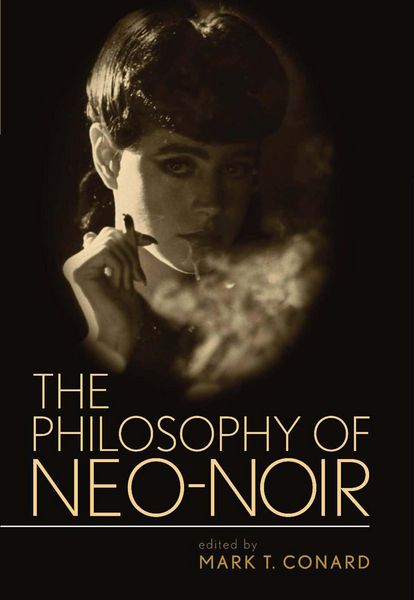
A collection of essays exploring the philosophical elements present in Neo-Noir films.
Film noir is a classic genre characterized by visual elements such as tilted camera angles, skewed scene compositions, and an interplay between darkness and light. Common motifs include crime and punishment, the upheaval of traditional moral values, and a pessimistic stance on the meaning of life and on the place of humankind in the universe. Spanning the 1940s and 1950s, the classic film noir era saw the release of many of Hollywood's best-loved studies of shady characters and shadowy underworlds, including
Double Indemnity,
The Big Sleep,
Touch of Evil, and
The Maltese Falcon. Neo-noir is a somewhat loosely defined genre of films produced after the classic noir era that display the visual or thematic hallmarks of the noir sensibility.
The essays collected in
The Philosophy of Neo-Noir explore the philosophical implications of neo-noir touchstones such as
Blade Runner,
Chinatown,
Reservoir Dogs,
Memento, and the films of the Coen brothers. Through the lens of philosophy, Mark T. Conard and the contributors examine previously obscure layers of meaning in these challenging films. The contributors also consider these neo-noir films as a means of addressing philosophical questions about guilt, redemption, the essence of human nature, and problems of knowledge, memory and identity. In the neo-noir universe, the lines between right and wrong and good and evil are blurred, and the detective and the criminal frequently mirror each other's most debilitating personality traits. The neo-noir detective?more antihero than hero?is frequently a morally compromised and spiritually shaken individual whose pursuit of a criminal masks the search for lost or unattainable aspects of the self. Conard argues that the films discussed in
The Philosophy of Neo-Noir convey ambiguity, disillusionment, and disorientation more effectively than even the most iconic films of the classic noir era. Able to self-consciously draw upon noir conventions and simultaneously subvert them, neo-noir directors push beyond the earlier genre's limitations and open new paths of cinematic and philosophical exploration.
Praise for
The Philosophy of Neo-Noir
"Conard can feel confident that these terrific essays will be of interest to film enthusiasts, particularly fans of Neo-Noir. Additionally, for those who come to this volume with some background in philosophy, not only will they be pleased to find fellow philosophers offering accessible introductions to philosophical thinkers and ideas but they are sure to increase their understanding of noir, Neo-Noir, and many familiar film titles, as well as more deeply appreciate the ways in which popular film and television offer wide and varied avenues to doing good philosophy." -Kimberly A. Blessing, co-editor of
Movies and the Meaning of Life
"Taking up such latter-day classics as
Chinatown,
Blade Runner, and
Memento, this volume explores how contemporary filmmakers have taken up the challenge of classic film noir and broadened the genre. In this analysis, even the pastel shades of South Beach take on a dark coloring in
Miami Vice. These probing essays locate what is neo in Neo-Noir and thus define it as a postmodern genre." -Paul Cantor, author of
Gilligan Unbound: Pop Culture in the Age of Globalization
"This collection will serve as a terrific interdisciplinary guide through the chaotic, intriguing world of postmodernist thought as it relates to film and philosophy." -
Choice