















































KI-Beratung Beta

Gutscheinbedingungen

Gültig bis 11.11.2026 | Gültig für Spielzeug, Filme, Musik, Software, Games, Geschenke & Trends, Schreibwaren, Hörbücher und Hörbuch-Downloads (außer Abo & Shelfies), gebrauchte Bücher, nicht preisgebundene Bücher und Kalender | Einlösbar unter thalia.de und in der Thalia App | Click & Collect nur mit Online-Zahlung (Paypal/Kreditkarte) vorab | Einzelne Artikel können ausgeschlossen sein | Nicht kombinierbar mit anderen Gutscheinen oder Preisaktionen | Nur einmal pro Einkauf einlösbar | Gutschein wird auf max. 500€ Bestellwert angerechnet | Keine Barauszahlung | Digitale Hörbücher nur für Android  | Nicht gültig für preisgebundene Artikel (aufgrund der Buchpreisbindung sind Gutscheine nicht auf Bücher, eBooks, Presse einlösbar), tolino eReader & Zubehör, Abonnements & Flatrates, Geschenkkarten, Versandkosten und Services

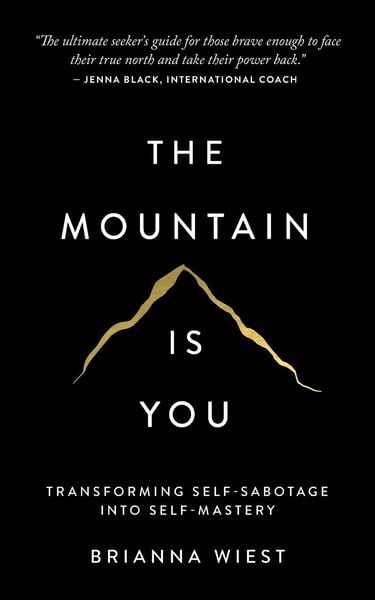
Produktbild: Wiest, B: Mountain Is You

Wiest, B: Mountain Is You

5

21,99 €

inkl. gesetzl. MwSt., Versandkostenfrei


Produktdetails

Verkaufsrang

468

Einband

Taschenbuch

Erscheinungsdatum

November 2023

Herausgeber

Thought Catalog

Verlag

Thought CATALOG Books

Maße (L/B/H)

12,5/20,3/1,5 cm

Gewicht

258 g

Farbe

Schwarz

Sprache

Englisch

ISBN

978-1-949759-22-8

Produktdetails

Verkaufsrang

468

Einband

Taschenbuch

Erscheinungsdatum

November 2023

Herausgeber

Thought Catalog

Verlag

Thought CATALOG Books

Maße (L/B/H)

12,5/20,3/1,5 cm

Gewicht

258 g

Farbe

Schwarz

Sprache

Englisch

ISBN

978-1-949759-22-8

Ein neues Kapitel für Ihre Bücher

Ein neues Kapitel für Ihre Bücher

Schenken Sie Ihren alten Schätzen ein zweites Leben und erhalten Sie dafür eine Thalia Geschenkkarte.

Jetzt verkaufen
Jetzt verkaufen

Kundinnen und Kunden meinen

Informationen zu Bewertungen

Zur Abgabe einer Bewertung ist eine Anmeldung im Konto notwendig. Die Authentizität der Bewertungen wird von uns nicht überprüft. Wir behalten uns vor, Bewertungstexte, die unseren Richtlinien widersprechen, entsprechend zu kürzen oder zu löschen.

Die Bewertungen sind nach Format, Anzahl Sterne und Datum sortiert.

  • Bewertung

    5/5

    12.12.2025

    Buch (Taschenbuch)

    Great book to begin your self growth journey!

    The Mountain Is You is one of those books that felt to me like sitting in an honest therapy session with yourself, one where you confront parts of yourself you’ve avoided for a long time. Brianna Wiest writes with a directness that forces you to engage with your inner world more than you might expect. This book is an excellent starting point for anyone beginning their journey into self-development, self-reflection, and emotional growth. If you’ve been feeling undisciplined, dissatisfied with your work habits, or simply disconnected from the version of yourself you want to become, this book can serve as a wake up call. It’s the kind of read that gives you the push you may have been avoiding but desperately needed. I especially recommend that new readers take a highlighter while reading and mark the passages that resonate most, particularly the parts that reflect your biggest challenges or where you feel you have the most work to do. Importantly, Wiest does not sugarcoat anything. She does not tell you what you want to hear. She tells you what you need to hear. At times, many situations described in the book felt too familiar to me, that it was almost scary. Sometimes it felt as if Brianna Wiest was speaking directly from inside my mind, able to see what I was struggling with. She writes in a general way, but the words are specific enough to feel deeply personal and directly applicable to your own life. On days when I was already disappointed in myself and didn’t want to face my own issues, I sometimes had to close the book and come back to it another time. But this raw honesty makes the book so powerful. One of the book’s greatest strengths for me is its structure. Wiest organizes her chapters into clearly defined themes with titled sub-sections and many paragraphs, making the content easy to navigate. After each problem she discusses in the first two chapters, she includes a short “How to Resolve” paragraph, offering small steps forward. In the third chapter she ties everything back to the root problem self self-sabotage and highlights it in with a separate section “The way you are self-sabotaging”. This guidance gives you a direction when you don’t know where to begin and prevents you from feeling lost at some point. However, the book has some flaws. Toward the end, some topics begin to repeat themselves and despite the clear structure, it can become difficult to mentally categorize everything. With so many ideas presented at once, it can feel as if everything is connected and unrelated at the same time, making it challenging to keep a deep understanding of the overall framework. For experienced readers in personal development, Wiest’s approach could seem too broad or simple, whereas for beginners it might feel overwhelming, as I mentioned. The solutions I pointed out are helpful guidelines but remain fairly general and may be easier said than done. Those looking for more detailed, practical guidance may find this missing in the book. Kristin R.

  • Hamza Al Ali

    5/5

    17.11.2025

    Buch (Taschenbuch)

    Review

    The “Mountain Is You” is the kind of book that makes you pause and reflect, not because it’s filled with complex theories or abstract psychology, but because it gives language to feelings and behaviors you already recognize in yourself. Brianna Wiest takes the concept of self-sabotage, which is something most of us experience in one form or another, and turns it into a powerful metaphor: a mountain we build and must learn to climb. Her message is simple yet profound, the greatest obstacles we face are often the ones within us. From the first pages, Wiest’s writing feels intimate and empathetic. She explores how self-sabotage stems from fear, insecurity, and unresolved pain, showing how these emotions quietly shape our choices. What makes her approach compelling is the balance between self-awareness and compassion. The book doesn’t lecture or diagnose; it speaks with understanding, as if the author has walked the same paths of doubt and resistance herself. What stood out most to me is how Wiest blends practicality with poetry. Her tone is calm and meditative, encouraging you to slow down and truly absorb her words. Instead of offering rigid solutions, she reframes familiar struggles in ways that shift how you see them. Self-sabotage, she suggests, isn’t a sign of weakness, it’s an act of self-protection rooted in fear. We resist change because some part of us equates growth with danger. That perspective invites empathy rather than guilt and allows real transformation to begin. Throughout the book, Wiest emphasizes that healing requires patience. Emotional pain isn’t something to suppress but to understand. She reminds readers that change is uncomfortable yet necessary, and that awareness itself is a form of progress. This honesty is refreshing. There are no false promises of overnight breakthroughs, only the steady encouragement to keep showing up for yourself. Some chapters lean more inspirational than instructional, but that flexibility is part of the book’s charm. It’s less a manual and more a guide you can return to whenever you need grounding. The simplicity of Wiest’s language makes her insights accessible, while her reflective tone adds depth. Many passages feel like gentle reminders rather than directives, which makes the experience feel personal and human. Another strength is how Wiest normalizes imperfection. She doesn’t shame readers for repeating mistakes or hesitating to change. Instead, she explains why these patterns exist and how self-awareness can begin to loosen their grip. By the final pages, I felt a quiet shift in perspective, not a dramatic revelation, but a sense of calm understanding and renewed patience with myself. Overall, The Mountain Is You is an honest and empowering book for anyone who feels stuck or caught in cycles of self-doubt. It doesn’t preach or overpromise; it invites reflection. It helps you see that the mountain in front of you and the one within you are often the same and climbing it, though difficult, leads to strength, clarity, and a deeper sense of peace.

  • Giulian Hard

    aus Baden

    5/5

    11.11.2024

    Buch (Taschenbuch)

    Review: "The Mountain Is You"

    This book, The Mountain Is You by Brianna Wiest is a contemporary self-help book that leads the reader through the process of breaking through self-sabotaging behaviors. Not only does it build emotional intelligence, but also self-mastery. Wiest tackles the idea of what it means to be a 'mountain' through use of strategic and captivating metaphors and clear cut advice. This is the catalog of internal barriers we erect that prevent us from fulfilling our potential. It is a book which has connected with so many readers as it is relatable and shares once personal pointers. That being said, a more critical reading of the book shows both its strengths and weaknesses. Perhaps one of the strongest efforts in this book is Wiest's skill to make you understand self-sabotage. It is not just giving in, she submits that self-sabotage has nothing to do with willpower. And it means there are emotional needs deeper than that. And by operating straight these impulses, she makes a case that self-sabotage is an inferior mechanism of coping. And not a personal failing. It encourages readers to be compassionate about their behavior. It forces you to think about yourself. It can aid much more than trying to overcome negative habits. Another thing is that Wiest makes use of natural metaphors. Life challenges — mountains to climb. She relates emotions to natural events, like fire that makes a way for regrowth. These metaphors add a relatable nature to the book. Its just something that provides sense to readers about some of their struggles. This poetic approach encourages readers to better reframe their struggles, and to be a bit more gentle with themselves during blunders & failures. But that also contributes to the drawback of metaphor employed in this book. While the mountain analogy is very clear, it can sometimes simplify complicated psychological processes. For example: not every “mountain” is something to be worked through. This can be tough for some readers, who may require a therapist to address their inner issues. Especially when it originates from things like trauma or mental health. Wiest on the significance of therapy. Even though it's not really the intent of the book, its strong emphasis on self-sufficiency might lead some readers to feel like they ought to solve all their big problems independently. Not that it would help people who have deep-seated mental health issues, of course. Another great strength of “The Mountain Is You” is that it provides hands-on advice on almost all self-sabotaging behaviours. Like perfectionism, procrastination and resistance as well as fear of failure those are some of the most common problematic behaviours, so Wiest analyses them picking apart specific elements that form a roadblock to productivity by identifying problem points, she gives her readers ways with which they can combat these pernicious behaviours. She provides tools to counteract perfectionism, like changing the emphasis from the results to progress, which is practical and applicable advice for anyone who wrestles with this mindset (and who doesn't?!) That means readers can follow the simple, actionable tips she suggests and modify them in ways that suit their own lives well. It is a rather simple method of transforming behavior, and not everyone might appreciate that approach… Now, some may read this and say that the advice is more surface-level than I would like. Wiest urges folks to consider the reasons behind their self-splitting. Her advice does sometimes feel more like a blanket solution to an obvious personal problem than specific help. Also, the books are more action-oriented and may not satisfy someone who is seeking a better insight on the psychology/philosophy of human nature. The book has a lot of fun ideas and one of them was the idea of a "ceiling". It is the limit of happiness or success a person subconsciously thinks they are deserving of. Wiest observes that when people pass this limit, they often resort to actions that bring them back to regular or comfortable territory. That one hits a nerve, and you can understand where it is coming from and could potentially make readers think about how they are not tapping into their own potential. But it could use a little bit more conceptual infrastructure. If readers try to search for studies or research on these concepts, then they expect scientific evidence. They might simply want additional evidence to back up the allegations. All in all, The Mountain is You is a down-to-earth and high-impact read for those ready to face the mountains within them. Wiest uses clear language and illustrative examples to make tough concepts, such as self-sabotage, more palatable. Including some simple tips, she encourages readers to make incremental and positive changes. The self-reliance and general advice found in the books might prove too simplistic for folks with deeper emotional or mental ailments. It might not provide sufficient help for more complicated issues. While providing some helpful perspectives, the book should be considered as a springboard for readers. This is not the comprehensive self help manual.

  • Bewertung

    5/5

    05.12.2021

    Buch (Taschenbuch)

    tolles Buch!

    Ich bin keine Person die viel über sich selbst durch Bücher lernt, aber durch dieses Buch habe ich einiges über mich lernen können. Kann ich jedem weiter empfehlen die etwas über selfgrowth lernen möchte!

  • Shirin H

    4/5

    11.12.2025

    Buch (Taschenbuch)

    The mountain is you review

    Brianna Wiest’s The Mountain Is You was a surprisingly insightful and impactful read for me. I chose the book expecting general motivational advice, but it encouraged a much deeper level of reflection. The central idea is that many of the obstacles we face in our personal growth are not external forces but internal patterns, fears and assumptions. Although this message appears simple, I realized how rarely I take the time to analyze my own behavior through this lens. Wiest presents self sabotage as a form of protection that develops in response to unresolved emotional experiences. This reframing challenged my usual perspective on procrastination and avoidance, and it pushed me to consider that my actions often contain hidden intentions related to comfort and safety. Wiest writes in a reflective and sometimes poetic style. Many passages feel like concentrated insights designed to prompt introspection. At times I found myself pausing to think about a sentence that described an emotional pattern I had never articulated before. However, this style also felt a bit repetitive to me. Wiest returns frequently to themes such as comfort zones, emotional wounds and resistance to change. There were moments when I wanted more practical examples or structured models. Instead, the book focuses primarily on inner awareness and emotional clarity. The concept that resonated with me most is the idea that self sabotage is a conflict between the desire for growth and the need to feel safe. This perspective helped me reinterpret moments when I hesitated to pursue goals even when I knew they mattered to me. I have the habit of not putting myself out there because I'd rather stay in my comfort zone. Instead of viewing these moments as a lack of discipline, I began to consider what fears or assumptions were beneath the surface. This shift made me more patient with myself and helped me better understand the patterns that influence my choices. Although the book offers valuable insights, it also has limitations. Readers who expect detailed strategies or scientific arguments may find that the content remains abstract. Wiest’s goal seems to be creating a foundation for self understanding rather than providing a detailed action plan. For me this was helpful, but I can imagine that some readers may want more structure or real life case studies. Overall, The Mountain Is You encouraged me to think more deeply about the emotional motivations behind my habits and decisions. I bought and read it at a time when I was already reflecting on personal growth, which made its impact even stronger. The book is most effective for readers who are open to introspection and willing to examine their internal patterns honestly. While it is not an academic exploration of behavior, it succeeds in offering clarity and a more compassionate view of self improvement. I would recommend it to anyone who wants to understand the internal barriers that quietly shape their ambitions and daily actions.

Kundinnen und Kunden meinen

5

4

4

1

3

0

2

0

1

0

Bewertungen (5)

  • Produktbild: Wiest, B: Mountain Is You